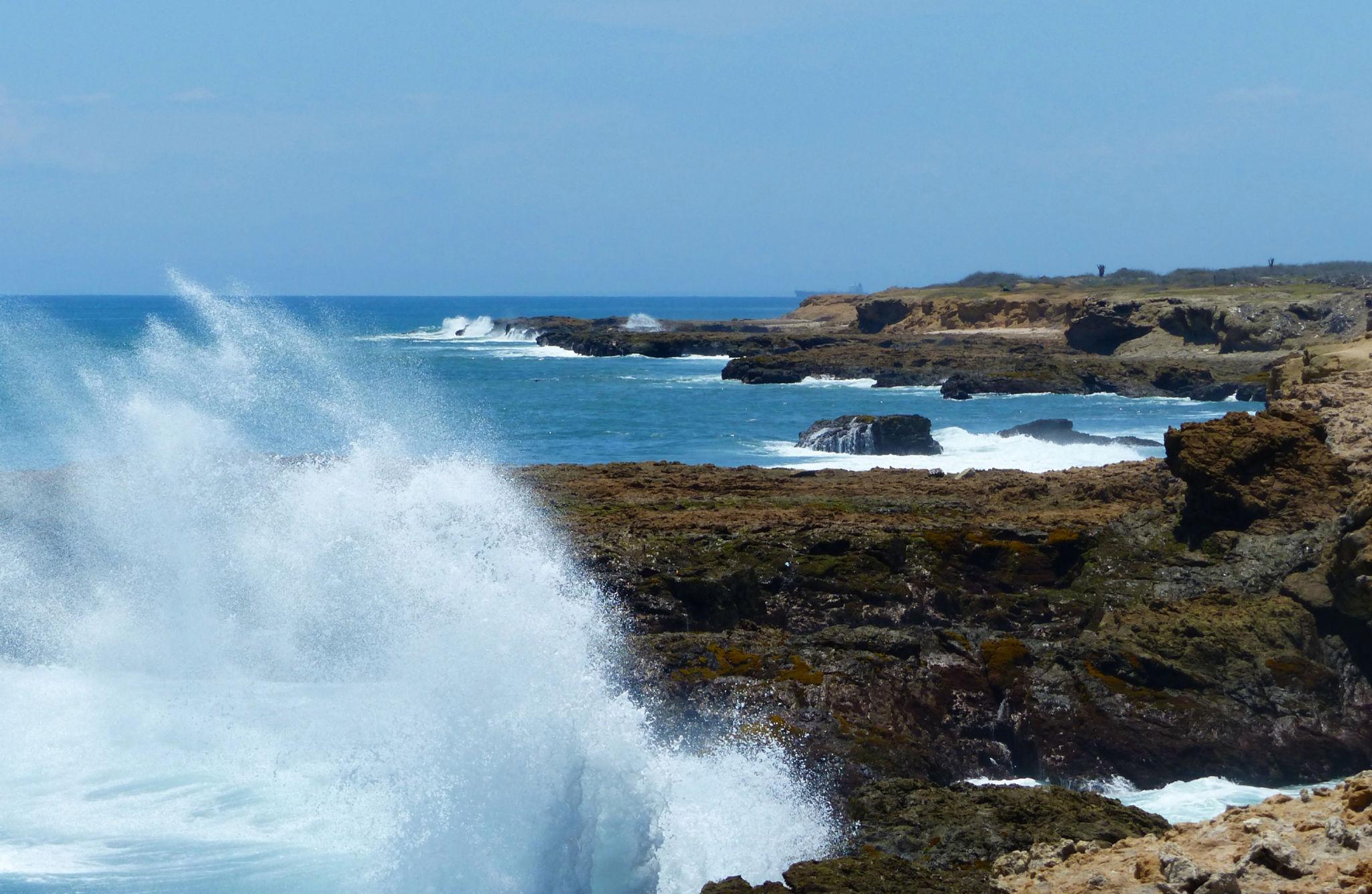
La Chocolatera Surf Spot, Ecuador
La Chocolatera, Reserva de Producción de Fauna Marino Costera Puntilla de Santa Elena, Salinas, Santa Elena, Ecuador
Guide updated
Quick answer
Where is La Chocolatera?
La Chocolatera is a point break / rocky reef near Reserva de Producción de Fauna Marino Costera Puntilla de Santa Elena in Ecuador. Best season: Year-round potential; strongest opportunities during favorable swell events. Level: Intermediate to advanced. GPS: -2.1881, -81.0103.
| Location | Reserva de Producción de Fauna Marino Costera Puntilla de Santa Elena, Ecuador |
|---|---|
| Coordinates | -2.1881, -81.0103 |
| Wave type | Point break / rocky reef |
| Direction | Right / Occasional Left |
| Wave quality | Good |
| Best season | Year-round potential; strongest opportunities during favorable swell events |
| Best swell | SW- S - N - NW |
| Tide | Mid to high tide |
| Consistency | Inconsistent; swell-dependent |
| Skill level | Intermediate to advanced |
| Crowds | Light to Moderate |
About This Break
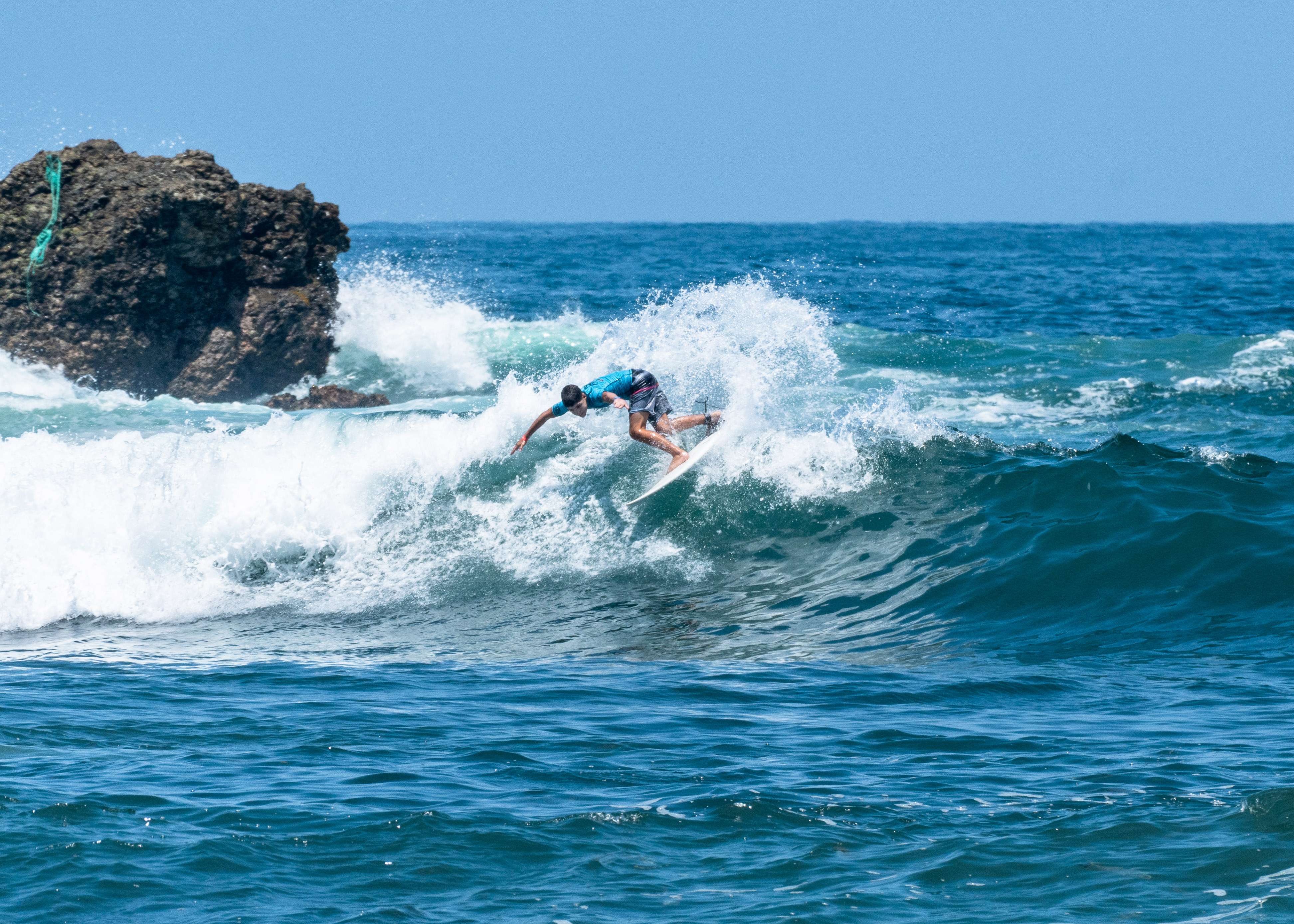
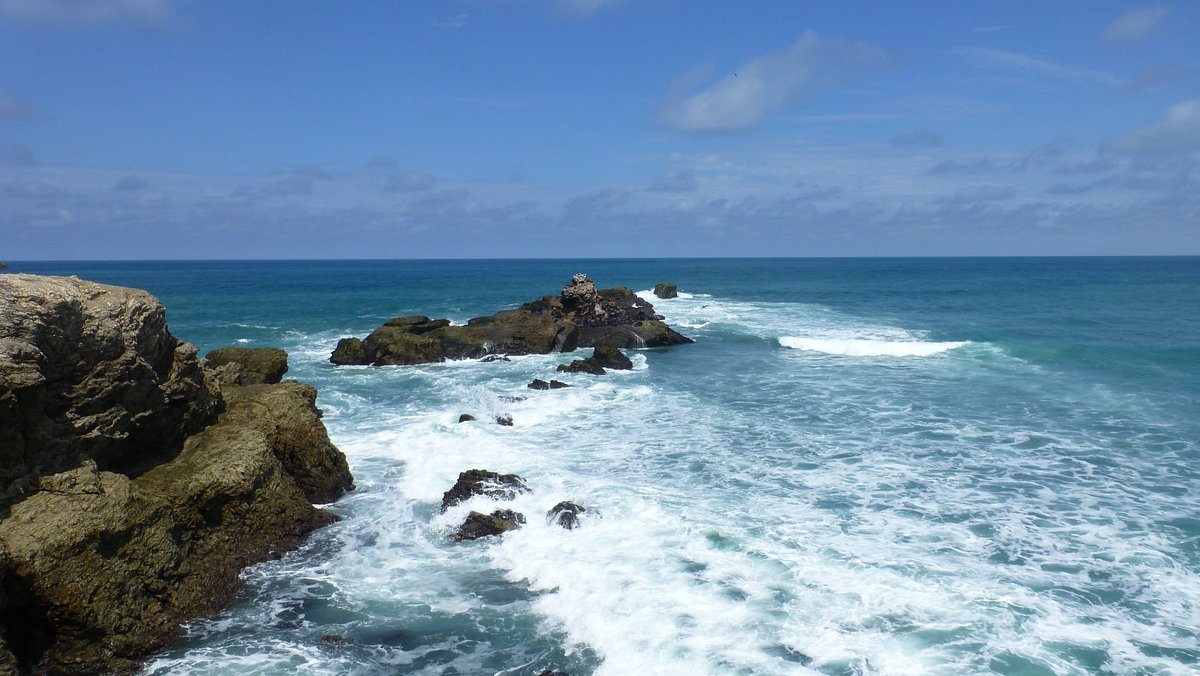
La Chocolatera is one of the most dramatic surf destinations on Ecuador's Pacific coast, located at the westernmost tip of the Santa Elena Peninsula near Salinas. Surrounded by rugged volcanic-looking rock formations, crashing Pacific swells, and spectacular coastal scenery, this exposed point break offers a challenging surfing experience in one of Ecuador's most distinctive natural environments.
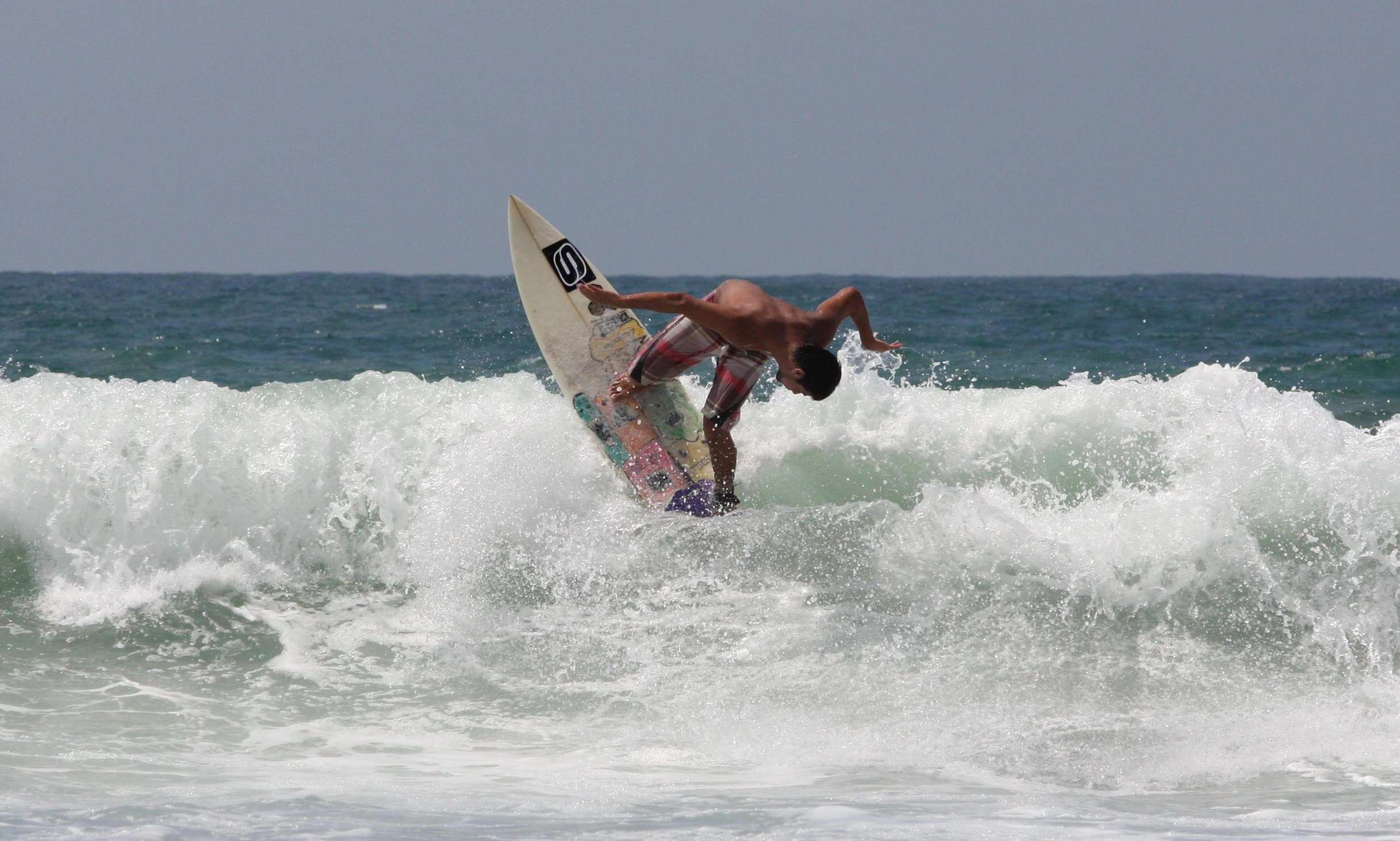
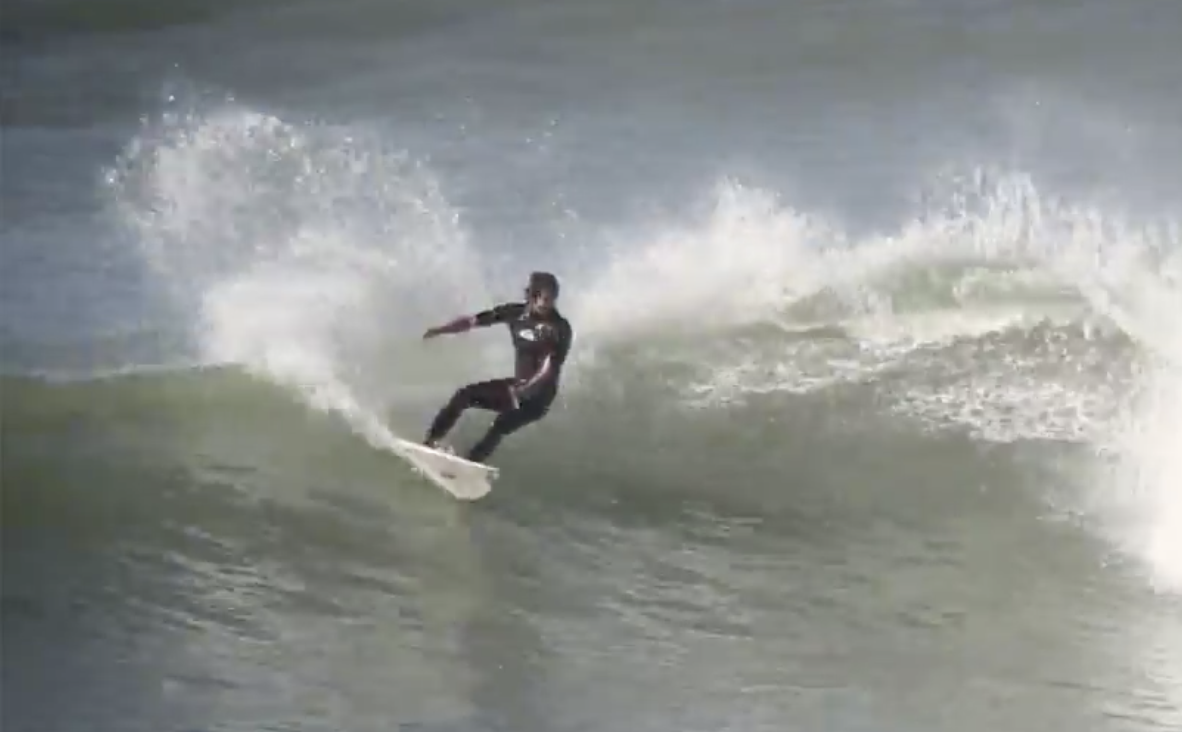
Known primarily for its right-hand point waves, La Chocolatera comes alive when powerful south, southwest, and northwest swells wrap around the rocky headland. Under favorable conditions, waves peel along an uneven reef, producing fast walls, steep takeoffs, and powerful sections that reward experienced surfers.
The break performs best with northeast offshore winds and mid-to-high tides, when additional water covers the shallow reef. Unlike the more accessible beach breaks around Salinas, La Chocolatera requires careful attention to currents, rocks, swell direction, and access restrictions.
Located within the protected Reserva de Producción de Fauna Marino Costera Puntilla de Santa Elena (REMACOPSE), the area is also famous for its dramatic viewpoints, marine wildlife, and the turbulent waters that give La Chocolatera its name. Nearby attractions include La Lobería, where visitors can observe sea lions, and the scenic coastal trails overlooking the Pacific.
For surfers seeking powerful point-break waves in a spectacular natural setting, La Chocolatera is a distinctive addition to Ecuador's surf coastline. International Surf Properties helps surfers discover beachfront homes, ocean-view properties, development land, and investment opportunities along Ecuador's spectacular Salinas Peninsula. Whether you're searching for a coastal retreat near La Chocolatera or an investment property within reach of Ecuador's best surf breaks, our global surf real estate network can help you find your place in paradise.
Local Knowledge
Military-controlled access • Protected marine reserve • Intermediate to advanced surfers • Mid to high tide preferred • Shallow rocky reef • Strong currents • Powerful southwest swells • Rocky entry and exit points • Limited facilities • Marine wildlife protection • Local surf etiquette • Changing ocean conditions • Verify access restrictions before surfing
La Chocolatera: Frequently Asked Questions
Where is La Chocolatera?
La Chocolatera is a point break / rocky reef near Reserva de Producción de Fauna Marino Costera Puntilla de Santa Elena in Ecuador. Its GPS coordinates are -2.1881, -81.0103.
When is the best time to surf La Chocolatera?
The best season to surf La Chocolatera is Year-round potential; strongest opportunities during favorable swell events. It works best on sW- S - N - NW swell. Tide: mid to high tide. Consistency: inconsistent; swell-dependent.
Is La Chocolatera good for beginners?
Not really. La Chocolatera is rated Intermediate to advanced, so it suits surfers who can already paddle out, read the lineup and take off on their own; beginners should start somewhere gentler. Military-controlled access • Protected marine reserve • Intermediate to advanced surfers • Mid to high tide preferred • Shallow rocky reef • Strong currents • Powerful southwest swells • Rocky entry and exit points • Limited facilities • Marine wildlife protection • Local surf etiquette • Changing ocean conditions • Verify access restrictions before surfing.