Surf Breaks
Explore world-class surf breaks around the globe and discover the properties that sit right beside them.
379 surf breaks
 Beach
BeachAgami
Agami Beach, El Agamy, Alexandria Governorate, Egypt
 Beach
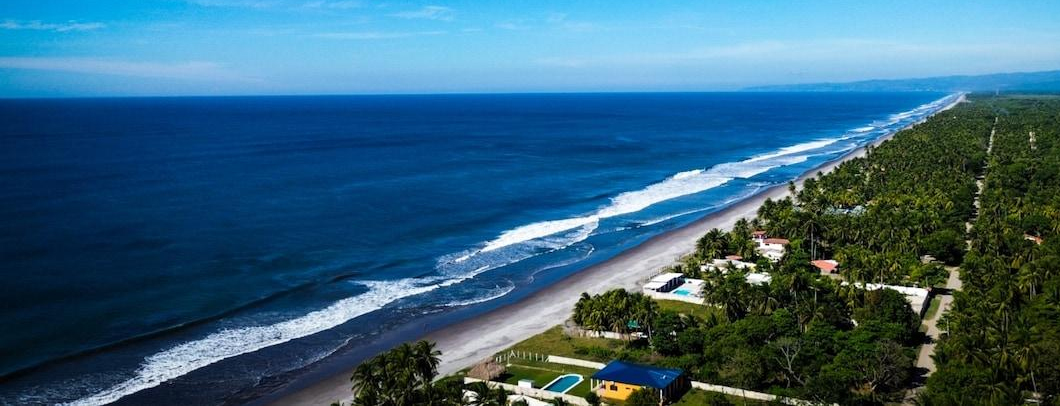
BeachAmatecampo
Amatecampo, El Salvador
 Beach
BeachAstillero
Astillero
 Reef
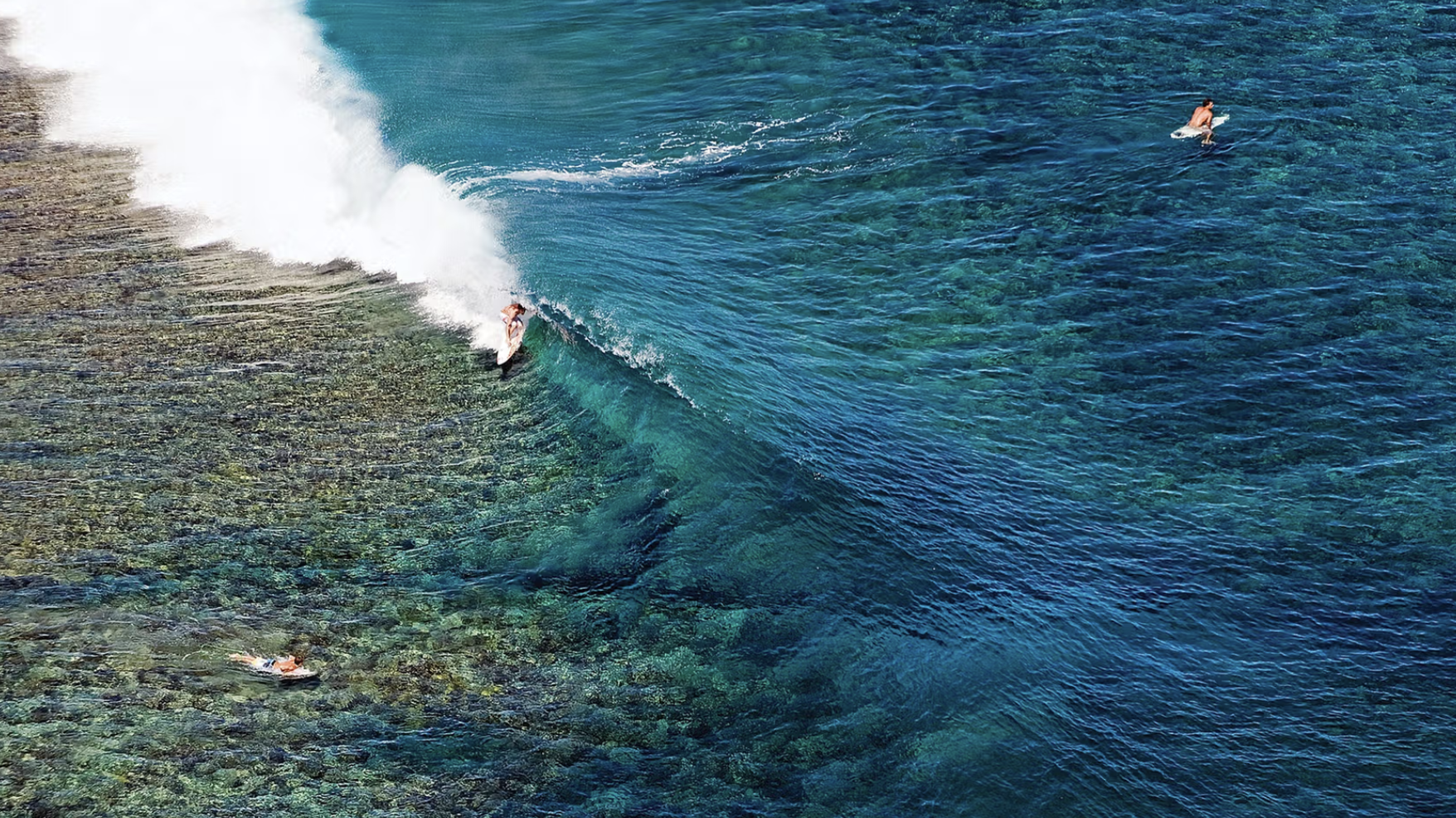
ReefAtiha / Avarapa Pass
Avarapa Pass, Atiha Bay, Haapiti 98729, Moorea-Maiao, French Polynesia
 Beach
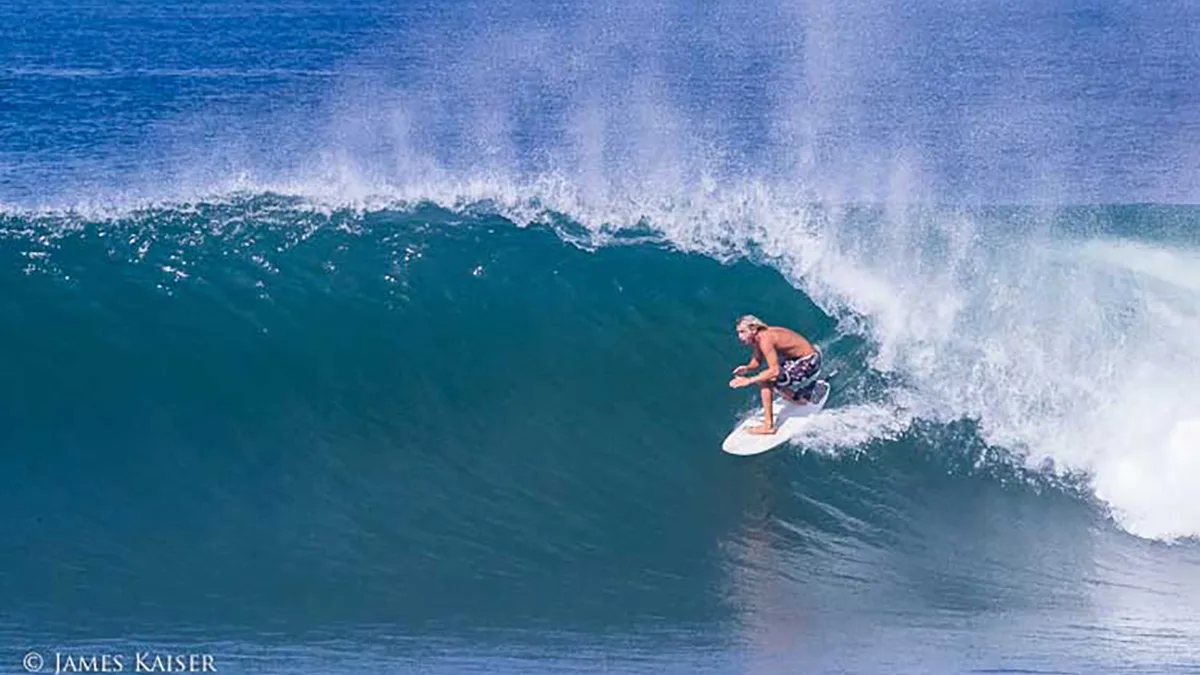
BeachBackyards Playa Hermosa
Playa Hermosa, Costa Rica
 Reef
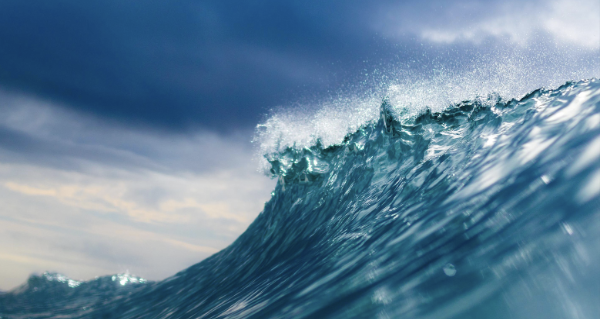
ReefBahia Grande
Bahía Grande, Oaxaca, Mexico
 Beach
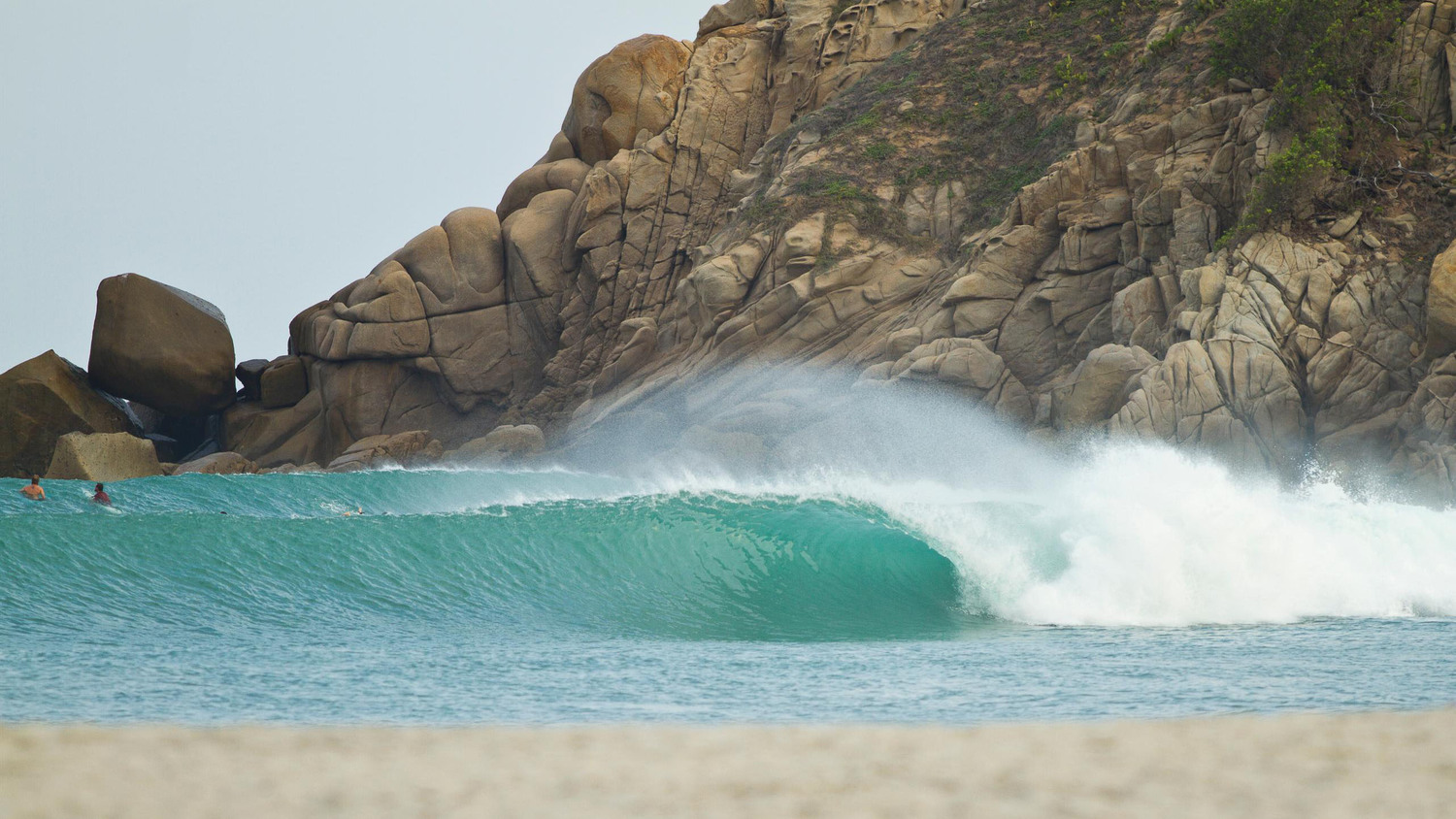
BeachBarra de Colotepec
Barra de Colotepec
 Beach
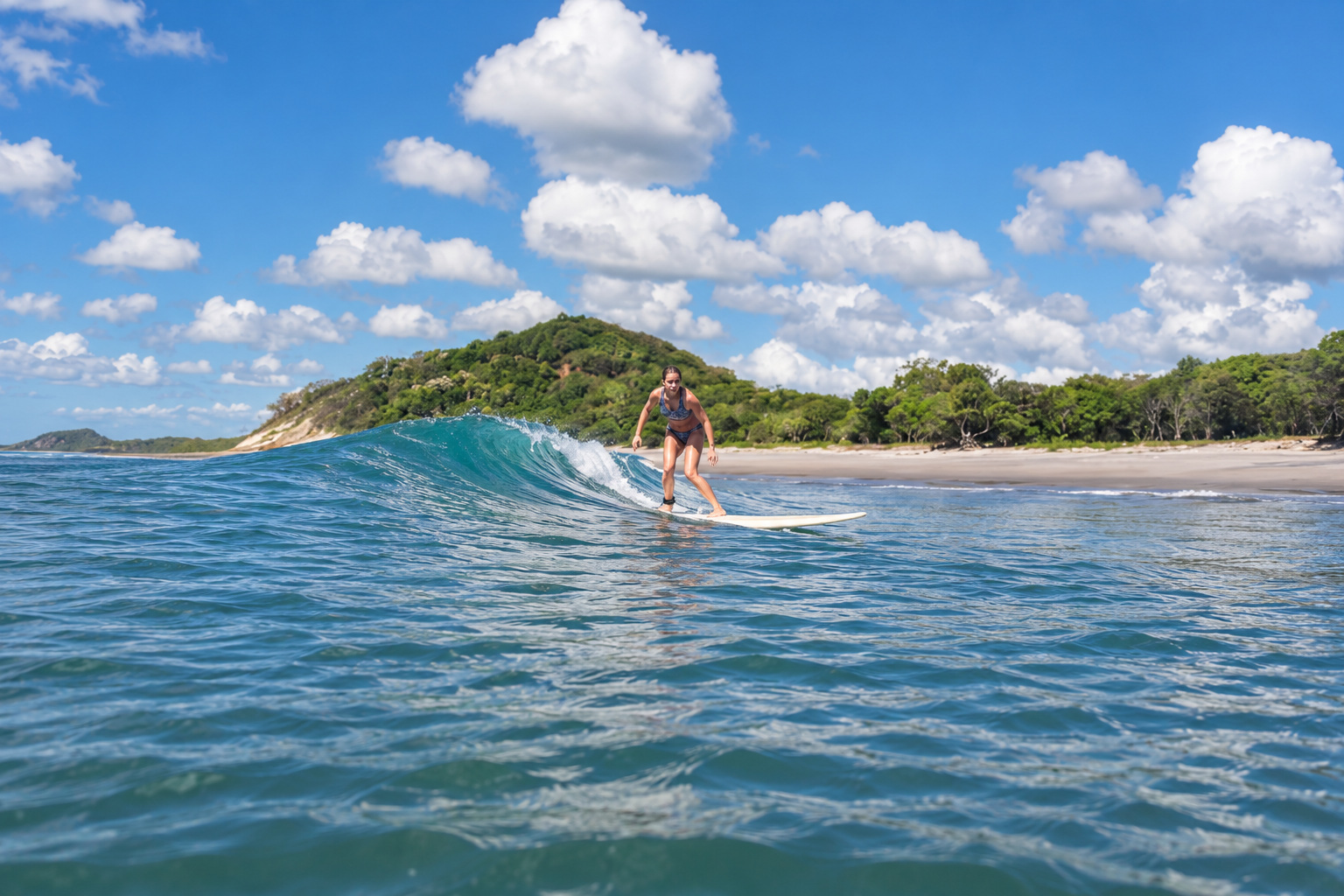
BeachBeginners Bay
Beginners Bay, Punta Sardina / Magnific Rock, Playa Popoyo, Las Salinas, Tola, Rivas, Nicaragua
 Reef
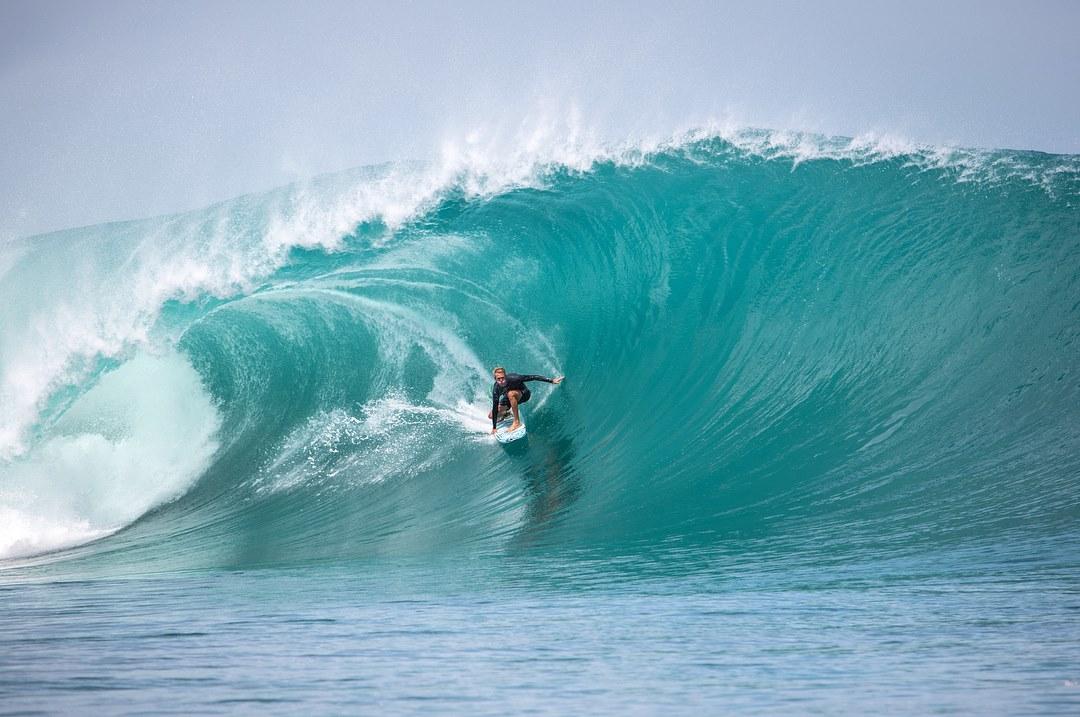
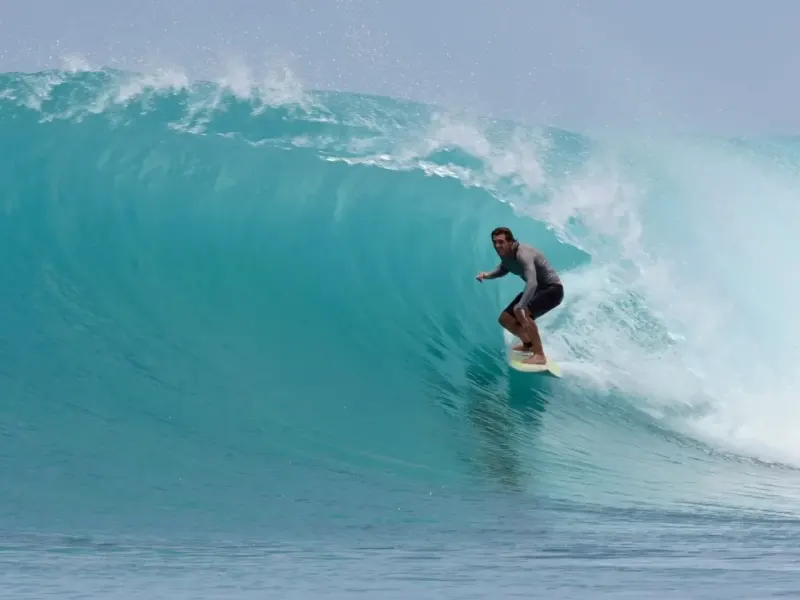
ReefBeng Bengs
Beng Bengs, Pulau Masokut, Katurai, Mentawai Islands, West Sumatra 25393, Indonesia
 Reef
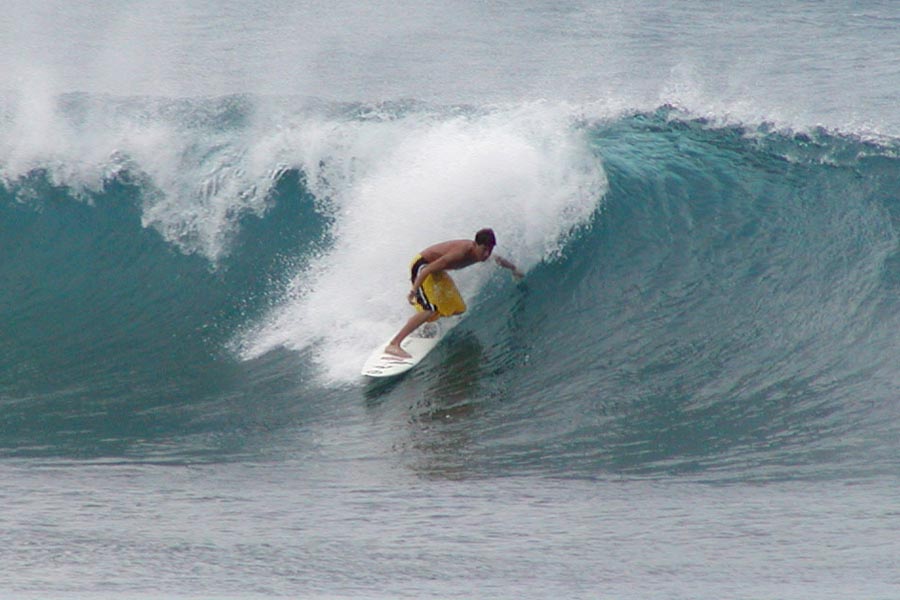
ReefBintangs
Bintangs Surf Break, Katiet Bay, South Sipora, Mentawai Islands, West Sumatra, Indonesia
 Beach
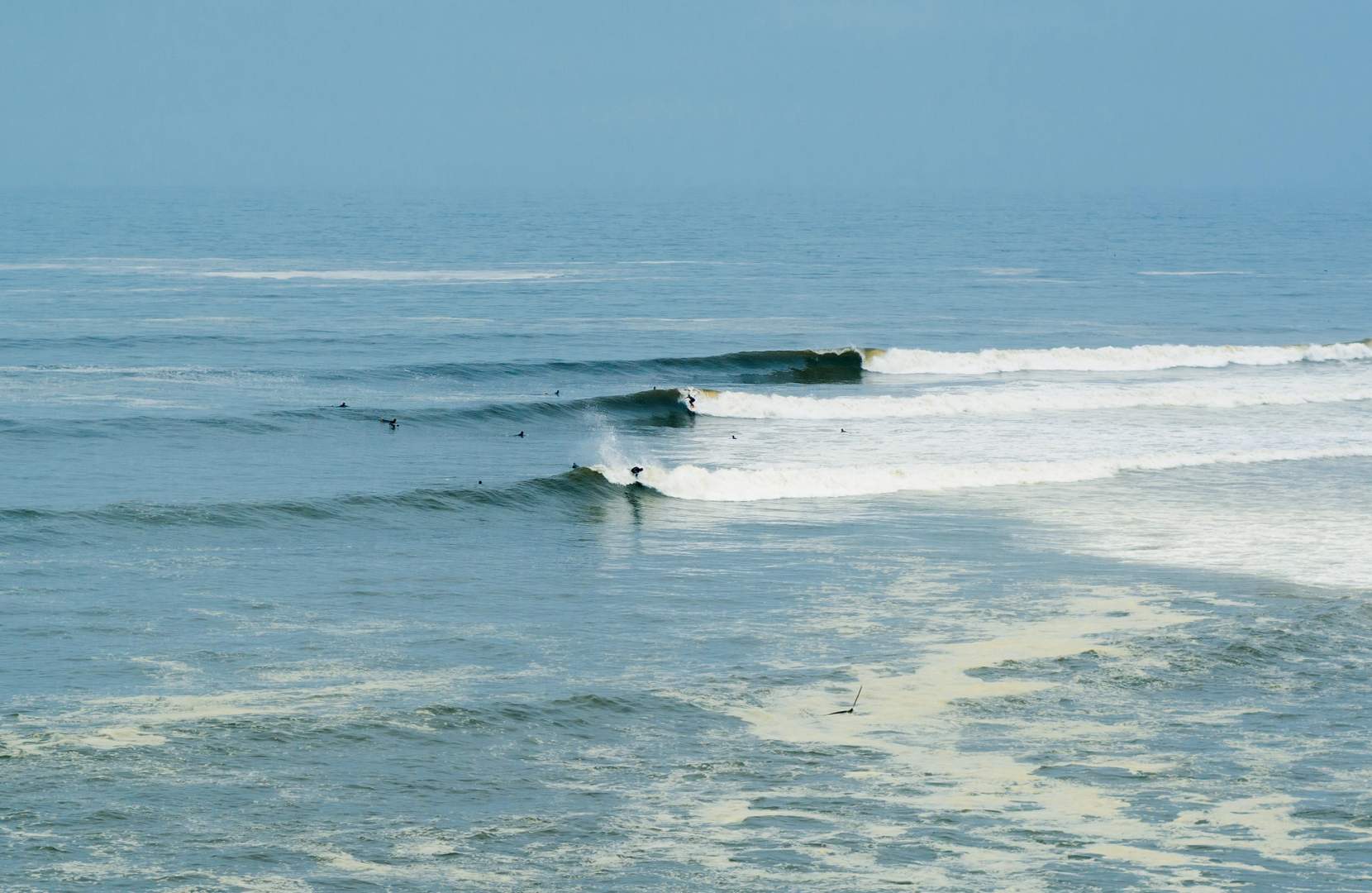
BeachBird Lookout
Dominican Republic
 Reef
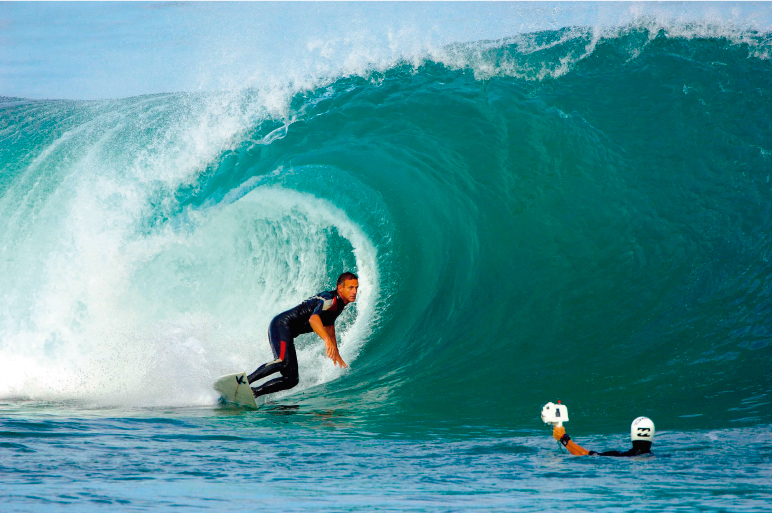
ReefCaballeros
Punta Hermosa, Peru
 Point
PointCabo Blanco
12 Carretera Cabo Blanco - El Nuro
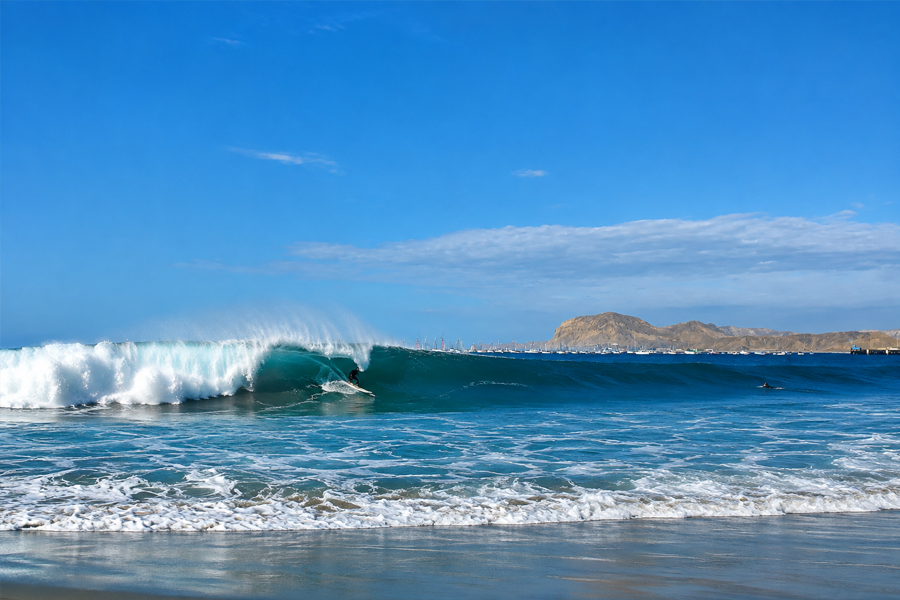 Beach
BeachCabo Blanquillo
El Alto, Peru
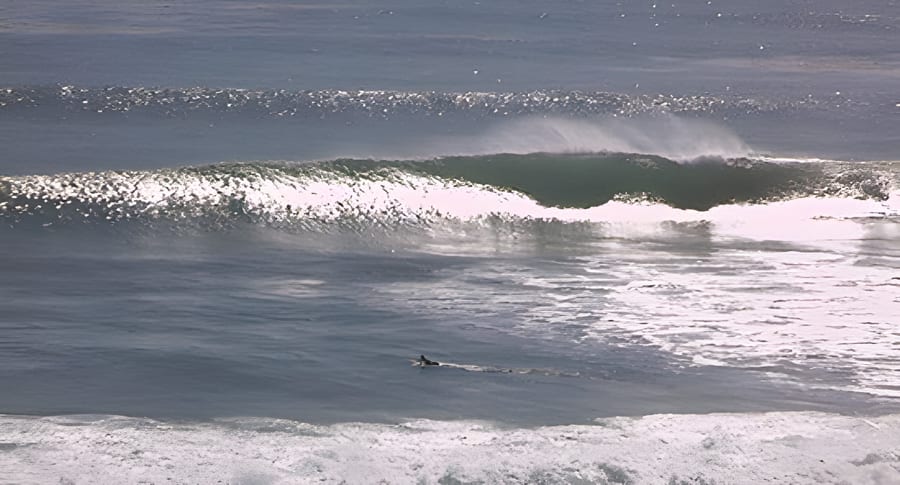 Reef
ReefCalafia
Calafia, Ciudad Morelos area, Playas de Rosarito, Baja California, Mexico
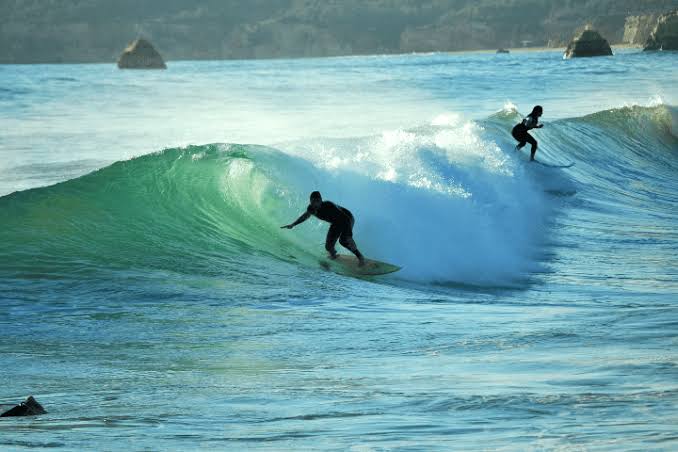 Beach
BeachCarrizalillo
Puerto Escondido, Mexico
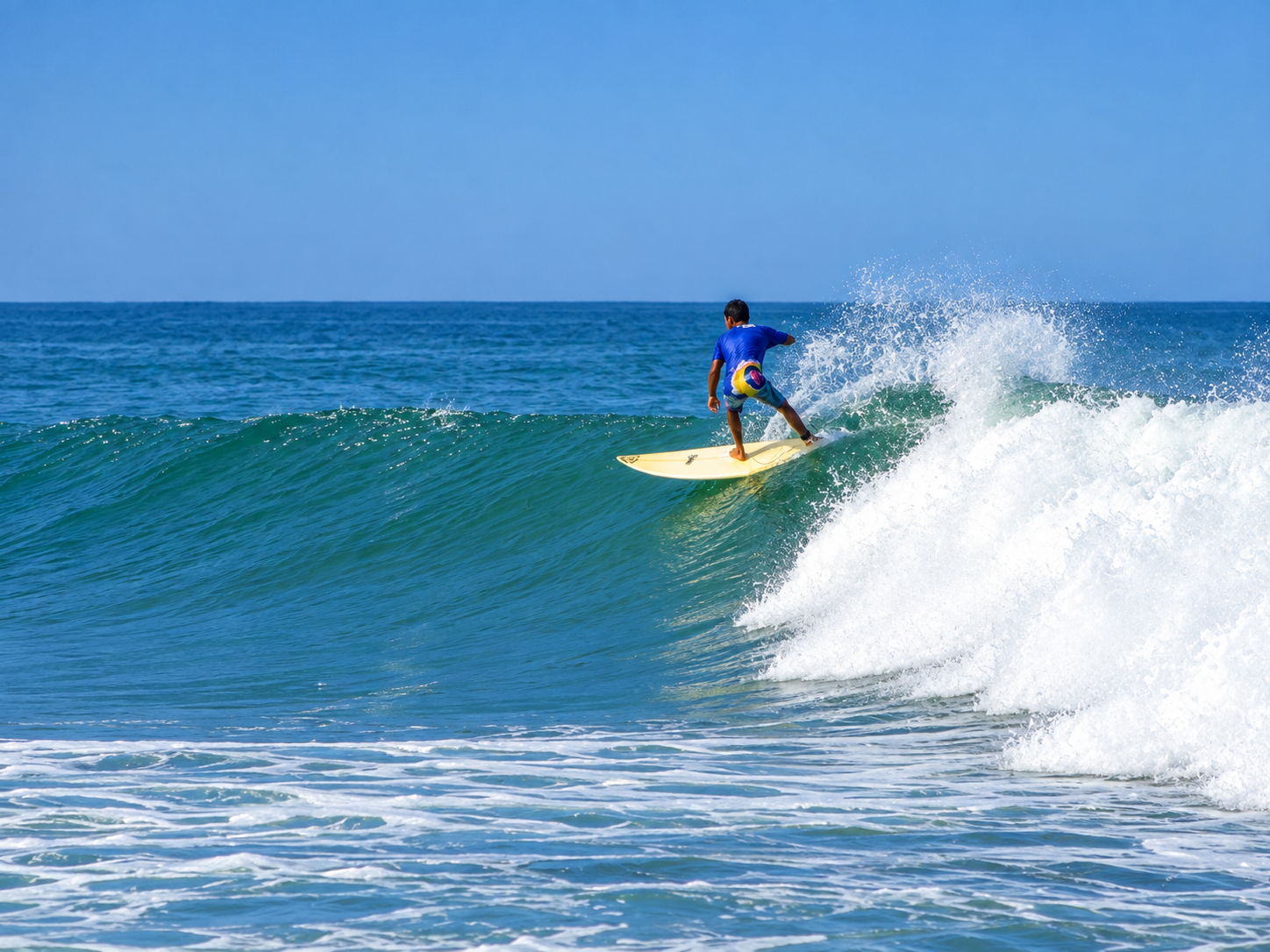 Point
PointCelestino
Celestino Gazca Villaseñor, Elota, Sinaloa, Mexico
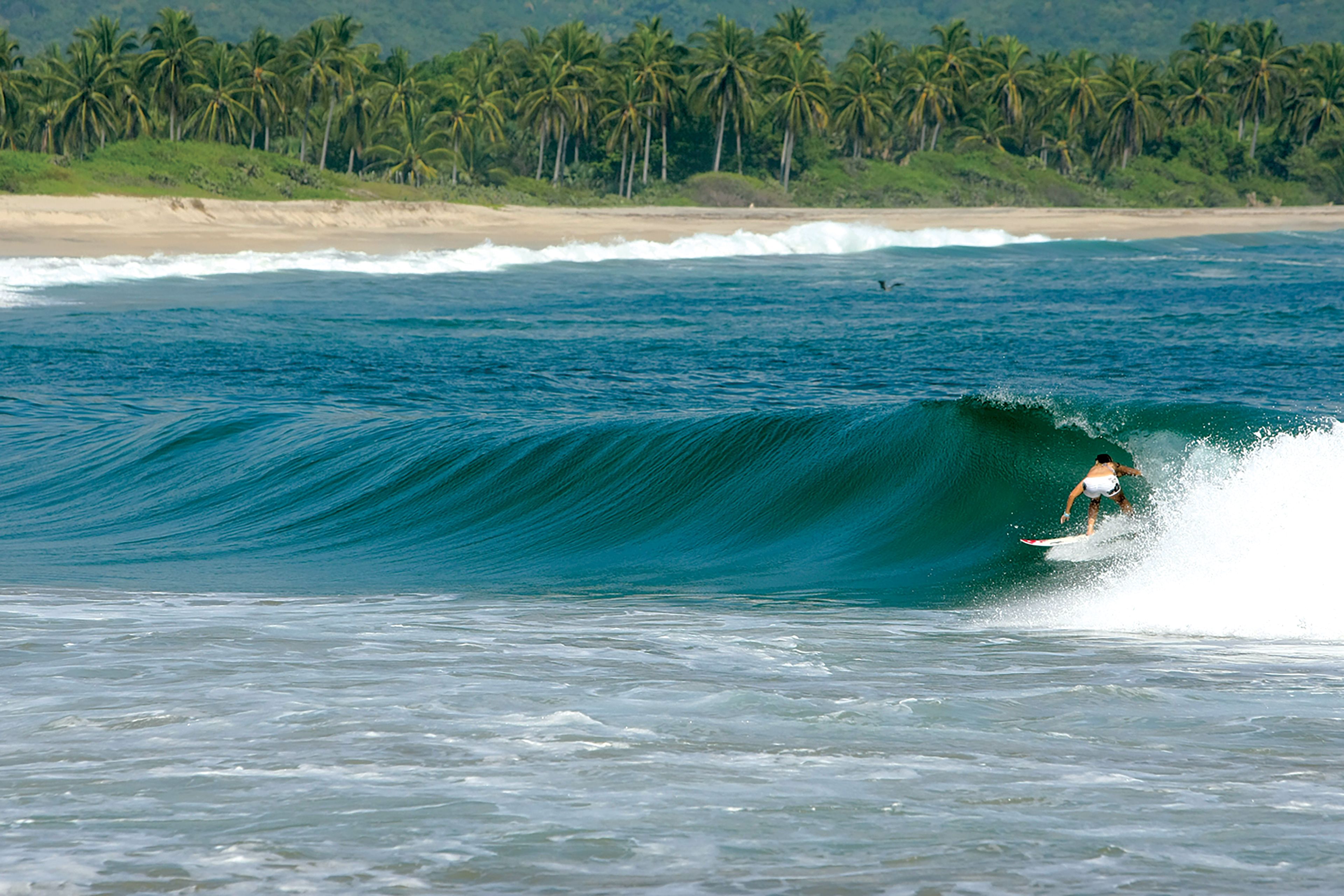 Point
PointChacahua
Chacahua, Mexico
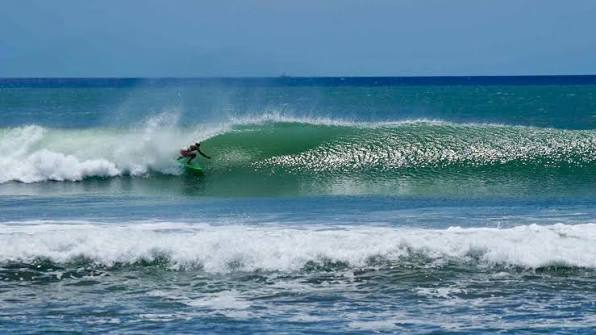 Beach
BeachChacocente
Chacocente Turtle
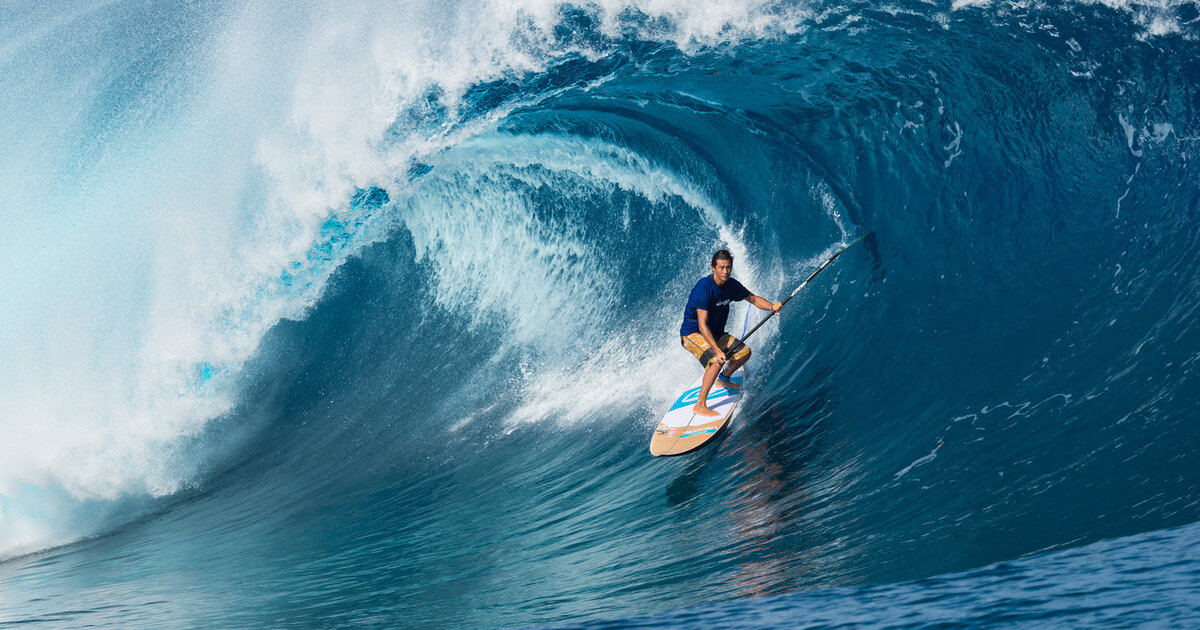 Reef
ReefClub Med / Taotai
Taotai Pass, Papetoai 98729, Moorea-Maiao, French Polynesia
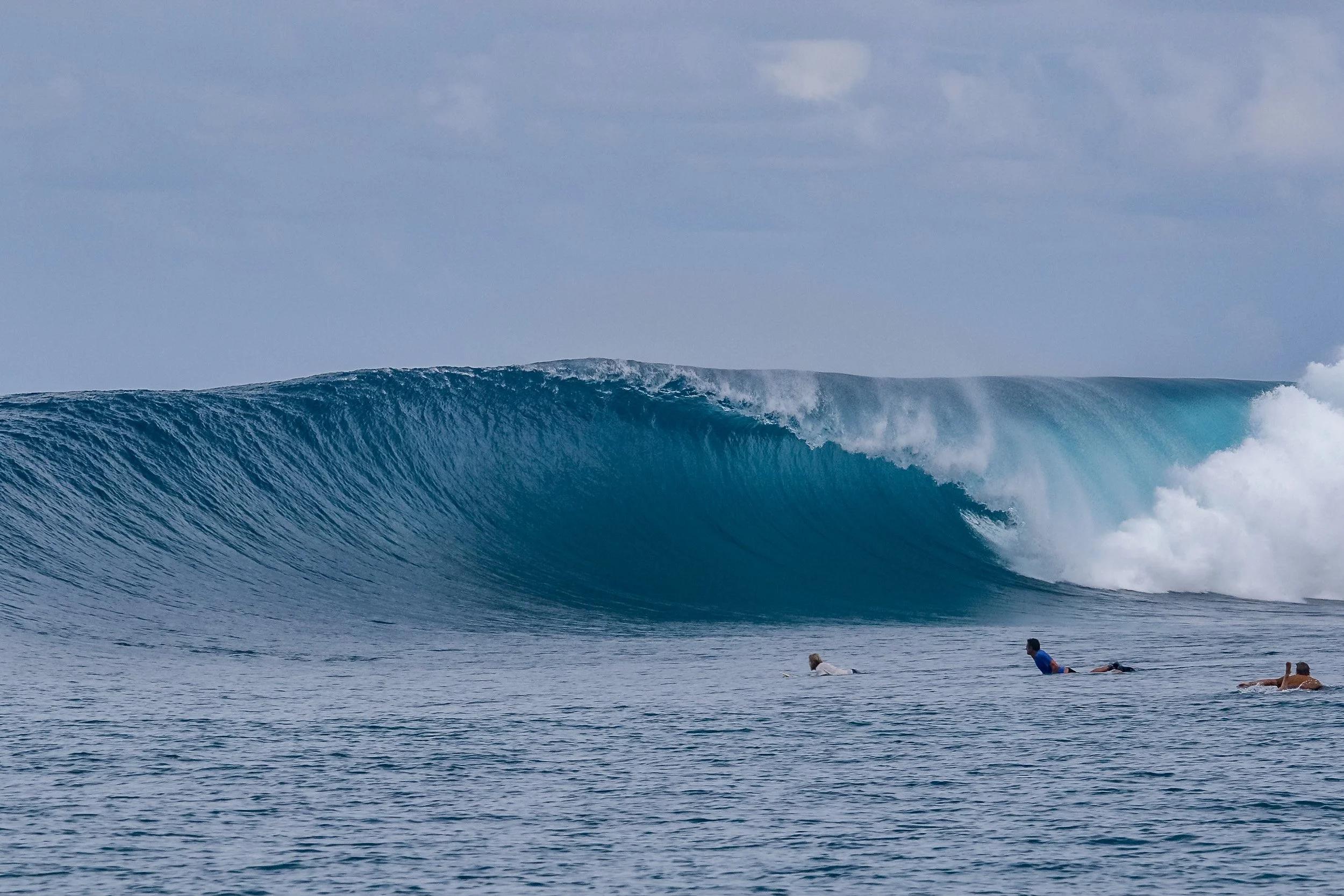 Reef
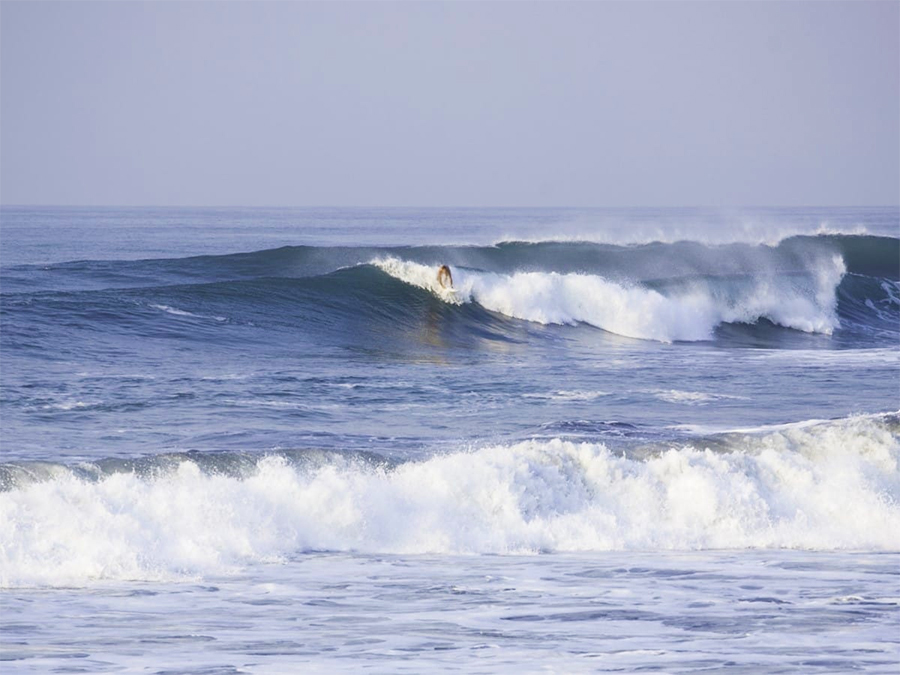
ReefCoffins
CC9M+F5 Sialema, South Nias Regency, North Sumatra, Indonesia
 Point
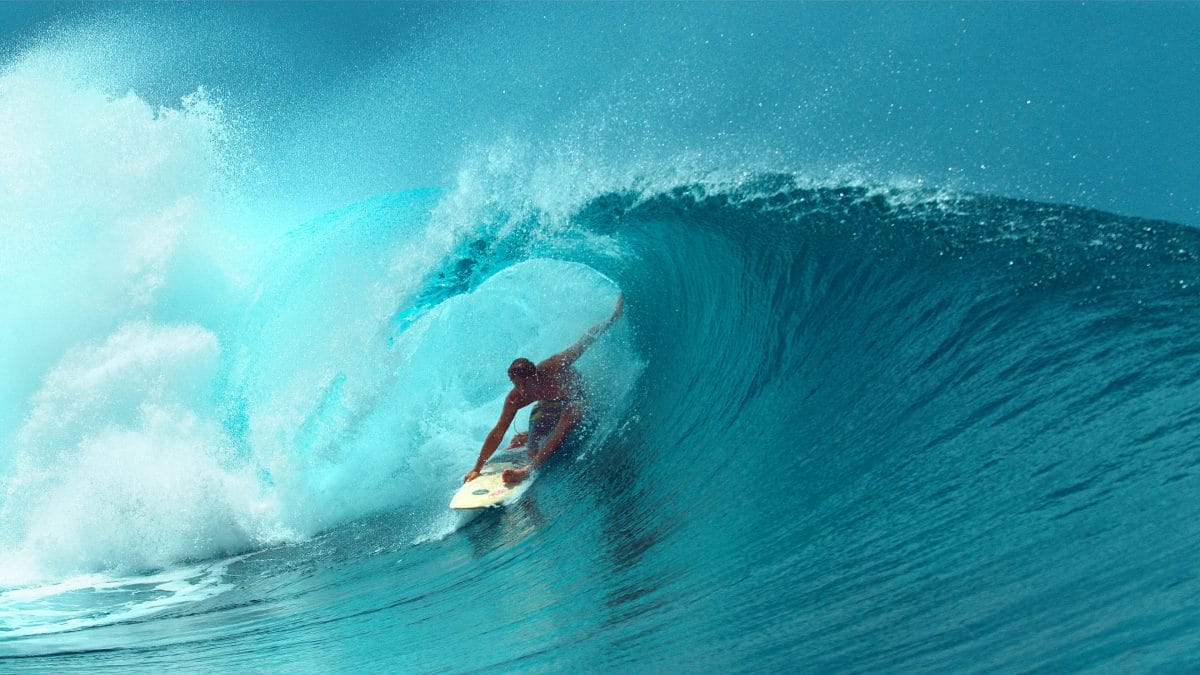
PointComasagua Point
FJJV+MV Playa San Blas, El Salvador
 Reef
ReefCook Bay / Pao Pao Reef
Teavaroa Pass, Cook Bay (Baie de Pao Pao), Paopao 98728, Moorea-Maiao, French Polynesia
 Beach
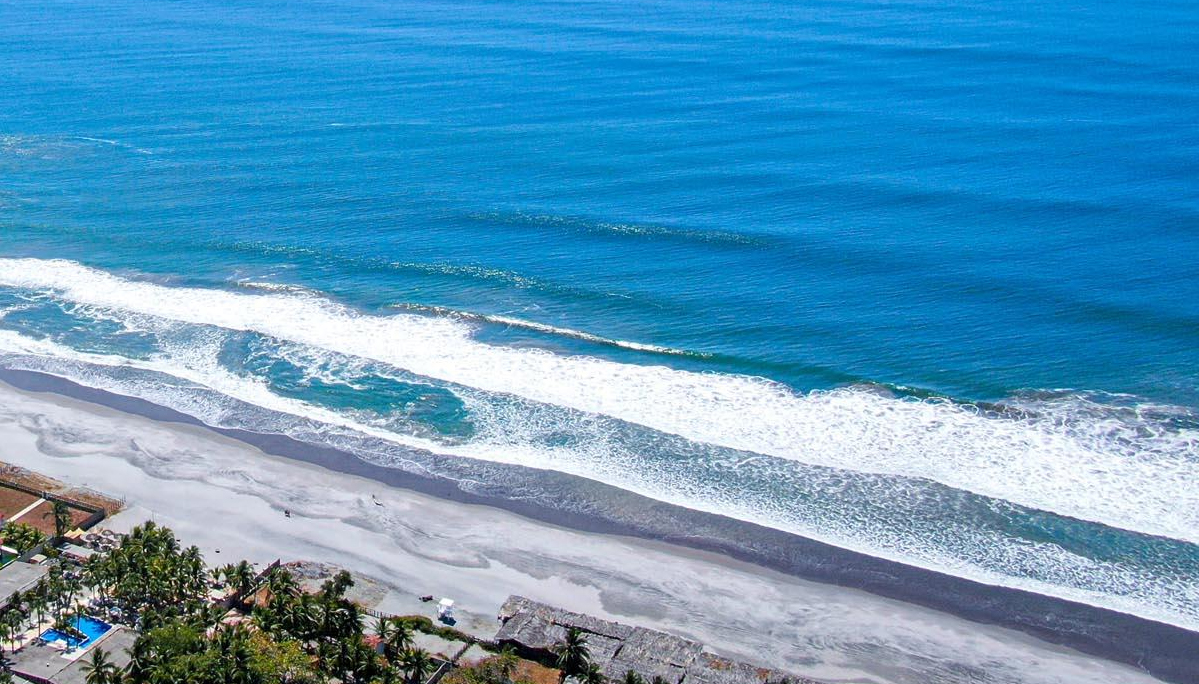
BeachCosta del Sol Beach Breaks
Club Círculo Militar | Costa del Sol, Carretera a Costa del Sol, Zacatecoluca, El Salvador
Surf Breaks by Destination
Surf Breaks Around the World
A surf break is the reason a stretch of coast is worth anything to a surfer, and it is where every search on International Surf Properties starts. This directory maps the world's surfable waves — reef passes, point breaks, beach breaks and river mouths across Costa Rica, Indonesia, Mexico, Nicaragua, El Salvador, Portugal, Morocco, Fiji, Australia and beyond — and shows you the real estate sitting within reach of each one. Every break carries the details that decide whether it is your wave: the wave type and which way it breaks, the skill level it genuinely suits, the swell direction and season that switch it on, and the towns and beaches around it. Filter by country, skill level, wave type, direction or quality to narrow hundreds of breaks down to the handful worth planning a trip — or a purchase — around. The four break types behave very differently, and the difference matters more than the name of the spot. Beach breaks shift with the sand, forgiving and changeable, which is why most surfers learn on them. Reef breaks hold their shape swell after swell and reward precision — the world's best barrels are reef, and so are most of its serious consequences. Point breaks wrap swell around a headland into long, predictable walls that can run for hundreds of metres. River mouths pile sand into banks that produce world-class waves when the river, the swell and the sand agree. What makes this directory different is what sits next to each break. Every property listed on ISP is measured against the nearest mapped wave, so you can shop coastal real estate the way surfers actually think — by the break first, the house second. Open any break to see its wave detail alongside the surf homes, beachfront villas, lots and resorts closest to that lineup, whether you are buying, renting for a season, or working out which coastline to commit to.
Frequently asked questions
What is a surf break?
A surf break is the specific place where a wave breaks in a rideable way — the reef, sandbar, headland or river mouth that turns open-ocean swell into a wave you can surf. The seabed shape decides the wave's shape, which is why one beach can hold a world-class wave while the bay next door has nothing worth paddling out for.
What is the difference between a beach break, a reef break and a point break?
A beach break forms over sand, so it shifts through the season and is usually the most forgiving to fall on — the standard place to learn. A reef break forms over rock or coral, holds the same shape swell after swell, and produces the hollowest and most demanding waves. A point break wraps swell around a headland into a long, predictable wall that can run for hundreds of metres, which is why points draw the biggest crowds.
Which surf breaks are best for beginners?
Look for beach breaks with a sand bottom, a gentle slope and waves that crumble rather than throw — the skill level on each break page tells you which qualify. Beginner-friendly zones cluster around Tamarindo and Nosara in Costa Rica, Canggu and Kuta in Bali, Sayulita in Mexico, and El Tunco in El Salvador, all of which pair mellow waves with surf schools and somewhere to stay.
When is the best time of year to surf a given break?
Each break works on a particular swell direction and season, and both are listed on its page. As a rough guide, Central America's Pacific coast fires on southern-hemisphere swell from March through October; Indonesia peaks in the dry season from May to September; and the North Atlantic — Portugal, France, Morocco — comes alive from September through March.
Can I buy a property next to a surf break?
Yes, and that is what this site is for. Foreign buyers can own coastal property outright in Costa Rica, Portugal, Brazil and much of Central America, through a bank trust in coastal Mexico, and via long-term leasehold in Indonesia. Open any break to see the homes, villas, lots and resorts currently listed near it, and contact the owner or listing agent directly.
How does ISP match properties to surf breaks?
Every listing is measured against the coordinates of the nearest mapped break. Anything within roughly 15km earns a surf badge showing how close it really is — beachfront, walking distance, or nearby — so "close to the beach" means a measured distance to a named wave rather than an estate agent's adjective.