
Multi-Family Property for Sale in Surf Towns
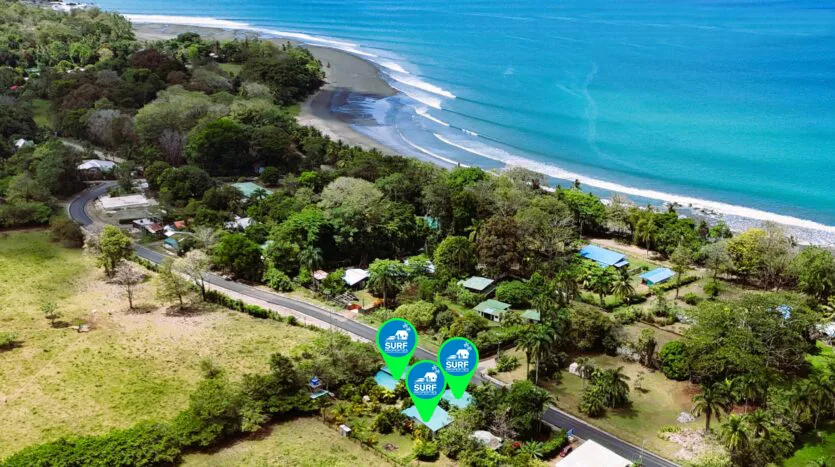
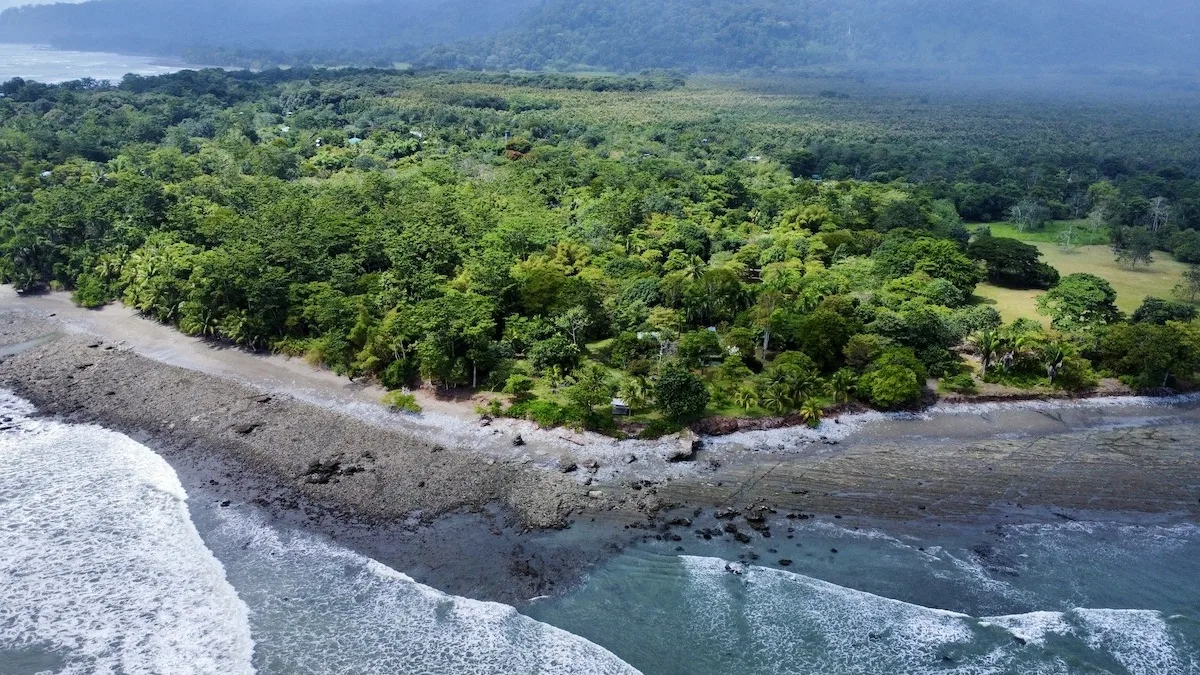
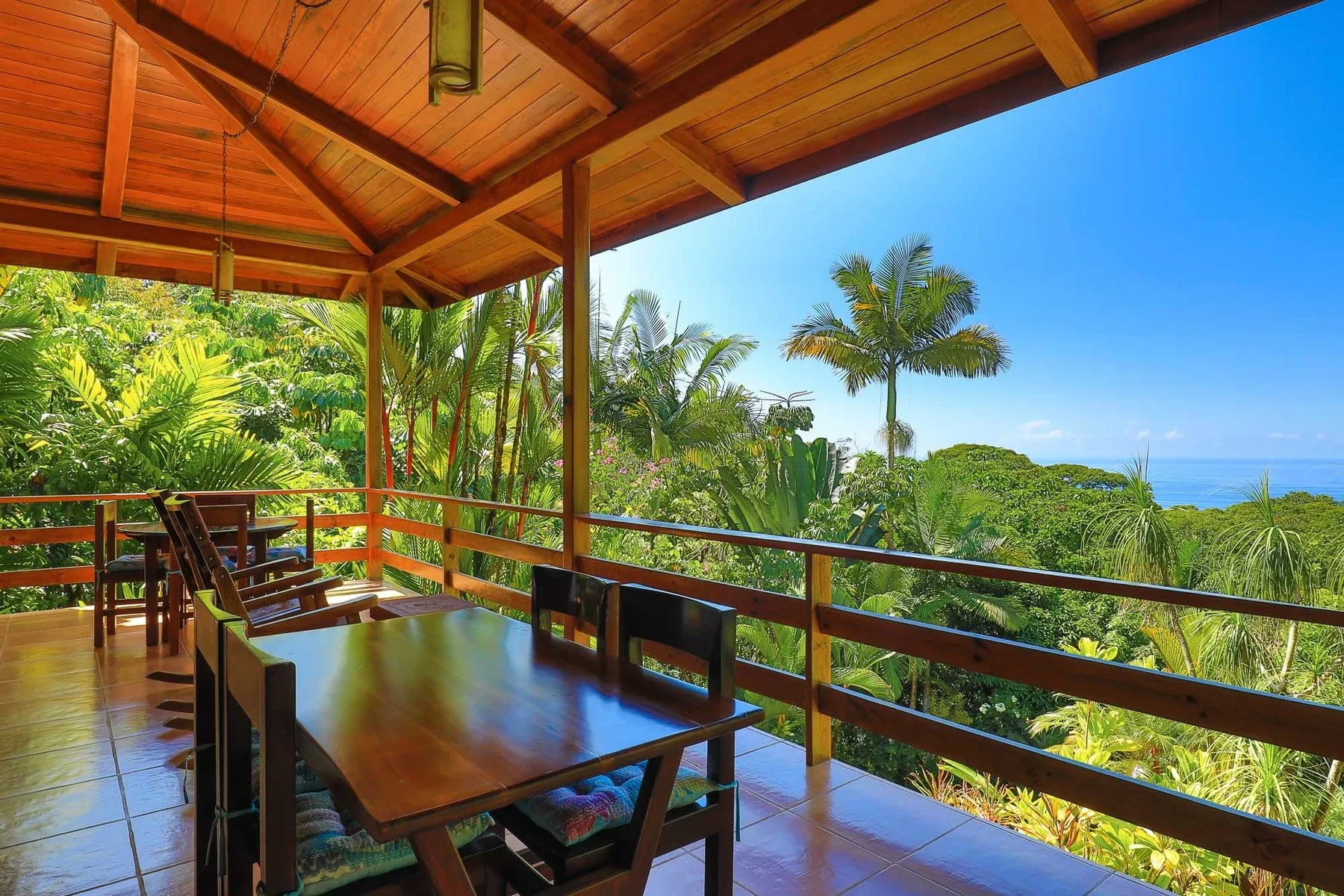
Browse multi-family and multi-unit property for sale near the surf: titled cabinas in Pavones, estates with two or more homes on Costa Rica's Osa Peninsula, a walk-to-surf guesthouse near Peniche in Portugal and more. Live in one unit and rent the rest, or run the whole property as a small rental business. Each listing is mapped to its nearest surf break.

Owning a Multi-Unit Income Property Near the Surf
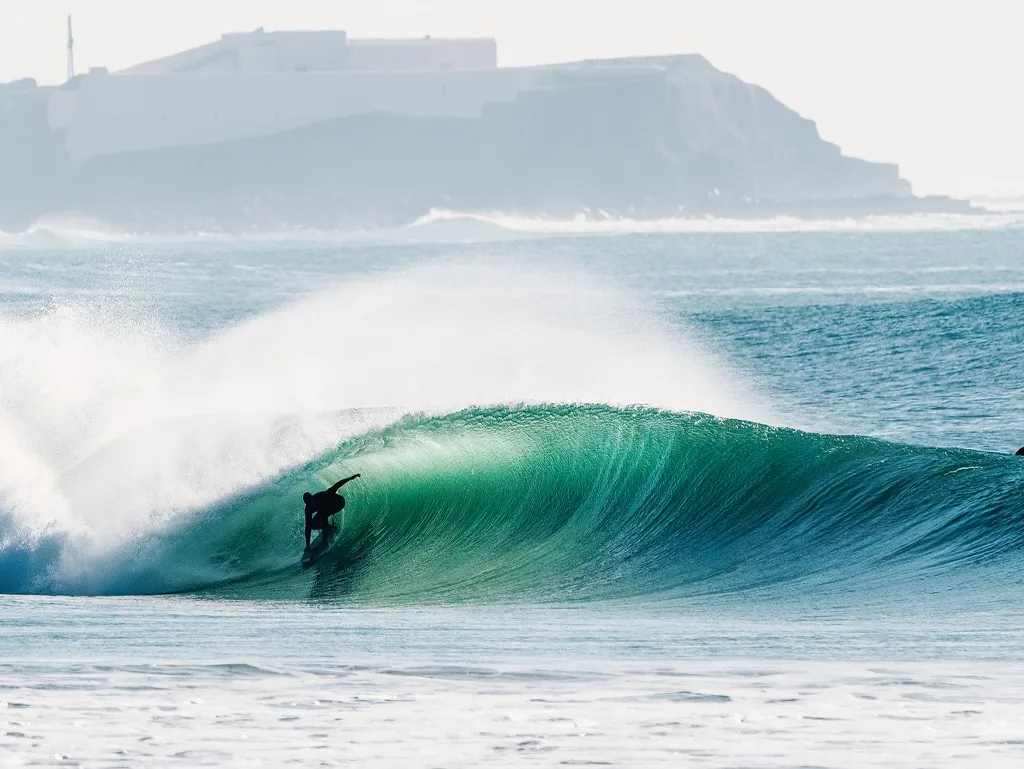
A property with more than one unit can pay part of its own way. In surf towns that usually means a set of cabinas, a main house with a guest house, or a small building of apartments. The listings here are mostly in southern Costa Rica, in Pavones and on the Osa Peninsula near Matapalo, with others in Portugal near the Peniche breaks and at El Astillero in Nicaragua.
Decide on your rental mix first
The same building earns very different money depending on who stays in it. Short-term rentals to visiting surfers can earn more per night, but income follows the swell season and needs constant cleaning, check-ins and marketing. Long-term rentals to locals, seasonal workers or expats bring steadier income with less work, but at lower rates. Many owners mix the two: one or two units on long leases to cover fixed costs, the rest booked by the night. Look at surf vacation rentals in the same town to see what comparable units charge.
Plan the management before you buy
If you will not live on site, someone has to. Options include an on-site caretaker who lives in one unit, a local property manager paid a share of rental income, or a booking platform plus separate cleaning and maintenance staff. Salt air, humidity and heavy rain wear buildings fast, so budget for regular upkeep of roofs, pumps, water tanks and air conditioning.
Financing a multi-unit property abroad
Outside the United States, many foreign buyers pay cash for surf-town property, because local banks lend to non-residents on limited terms, if at all. Seller financing is sometimes negotiable, especially on properties that have been listed for a while. In the United States, buildings with two to four units can usually be financed with a residential mortgage, while five or more units need a commercial loan.
Rental registration and permits
Many surf destinations now regulate short-term rentals. Portugal requires a local accommodation registration (Alojamento Local) before you can rent to holiday guests, and Costa Rica has its own registration and tax rules for short-term rentals. Rules change often, so check with a local attorney before you count on rental income.
Due diligence checklist
- Rent roll: real bookings, rates and occupancy for each unit over the last few years.
- Permits: confirm each unit was built with permits and is legally approved for its use.
- Utilities: separate meters, water supply, septic capacity and backup power.
- Title: whether the land is fully titled or held as a concession.
- Room to grow: if you plan to add units, check zoning and density limits first, or look at surf lots and land instead.
Own a multi-unit property near a surf break? You can list it with us.
Explore by Destination
Popular Cities
Buying Multi-Family Property in a Surf Town
A duplex or small apartment building lets the property help pay for itself: live in one unit and rent the others, or hold the whole building for income. Ask for current rents, occupancy, running costs and the rules on long- and short-term letting in that town before you make an offer. Every listing links directly to the owner or listing agent.
Frequently asked questions
How do foreigners finance a multi-family property in Central America?
Most pay cash. Local banks in countries such as Costa Rica and Nicaragua do lend, but usually to residents, with larger deposits and higher rates than buyers from the United States expect. Other options are seller financing, a loan secured against property you already own at home, or buying with partners. Check the terms with a local attorney and a lender before you make an offer.
Is short-term or long-term renting better in a surf town?
It depends on the town and on how much work you want. Short-term rentals to surfers earn more per night but follow the swell season and need daily management. Long-term tenants pay less but more steadily, and cost less to look after. Many owners lease one or two units long term to cover fixed costs and rent the rest by the night in peak season.
Who manages the units if I live overseas?
Most owners use an on-site caretaker, a local property manager or a mix of both. A caretaker often lives in one unit in exchange for reduced rent or a salary. A property manager handles bookings, cleaning, repairs and paying local bills for a share of rental income. Ask for references from other foreign owners and agree in writing how you will be paid and kept informed.
Do I need a licence to rent units to holiday guests?
In many places, yes. Portugal requires an Alojamento Local registration for short-term holiday rentals, and Costa Rica has registration and tax rules for short-term rentals too. Some towns also limit how many rental units one property can have. Ask the seller which registrations are already in place, whether they transfer to you, and check with a local attorney before you buy.
What makes a good multi-family property near the surf?
Walking distance to a reliable wave, units with their own entrances and bathrooms, separate utilities, and shared spaces such as a kitchen, pool or board storage that guests value. Fully titled land, permits for every unit and a documented rental history make the property easier to finance, insure and sell later. A flexible layout that works for families as well as groups of surfers widens your market.
Is a group of cabinas treated as residential or commercial property?
It depends on the country and on how the property is used. A few units rented long term may count as residential, while nightly rentals with guest services are often treated as a lodging business that needs commercial permits and tourism registration. That affects taxes, insurance and financing. Check how the local municipality classifies the property with a local attorney before you buy.