Surf Development Projects for Sale
Development sites, redevelopment opportunities and pre-construction projects in surf towns, from beachfront land near a point break to oceanfront estates zoned for hospitality. Each listing shows the nearest surf break and how far away it is. Buying early can mean a better price and a wider choice of units or lots, but you take on build risk, so confirm permits, zoning and how your money is held before you sign.
How to Buy Pre-Construction and Development Property in a Surf Town
Surf development projects come in two forms. Some are development sites: land or an existing property where you, as the buyer, carry out the project. Others are pre-construction units in a project someone else is building, where you pay deposits before the home exists. The checks overlap, but the risks are different, so be clear about which one you are looking at.
Buying a development site
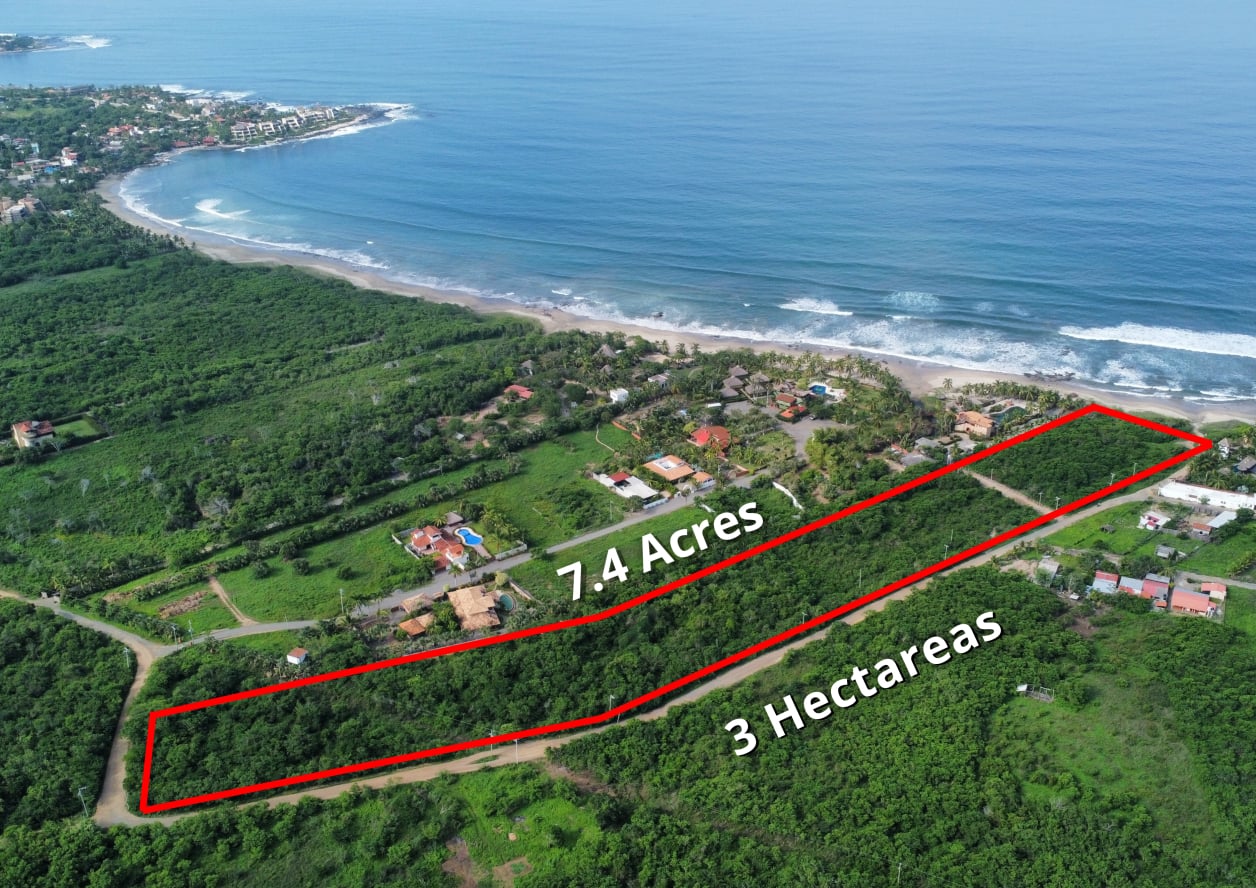
A site is only worth what you can legally build on it. Ask the seller for the current zoning in writing. Some listings, such as this riverfront property in El Zonte, carry dual commercial and residential zoning, which leaves room for a boutique hotel, condos or a private estate. Check road access, water, power and sewage capacity, and any coastal setback that limits how close you can build to the beach. Land listings without a project attached are under surf lots and land.
Buying pre-construction
- Developer track record: visit projects they have finished, ask whether those were delivered on time, and talk to owners who bought there.
- Permits: find out which permits are already granted (environmental, construction, subdivision) and which are still pending. A project that has its permits carries less risk than one that only has renderings.
- Title to the land: confirm who owns the land today and that it is free of liens or disputes.
- Escrow and payment schedule: the safer contracts hold deposits in escrow or release them against construction milestones, not on fixed dates.
- Phasing: many projects are built in phases. Ask which amenities belong to your phase, and what happens if later phases stall.
- Delay and exit terms: the contract should say what you are owed if completion slips, and whether you can resell or assign your contract before completion.
Local rules differ by country
Ownership structures vary. In Mexico, for example, foreign buyers near the coast usually hold title through a bank trust (fideicomiso), which matters for land such as beachfront property in Troncones. In other countries a project may be sold through a local company or a long-term lease. Check with a local attorney, independent of the developer, before you pay a deposit.
Plan the income side early
Many surf developments are bought to rent. Check the local short-term rental rules, who will manage the property, and whether a hotel or resort licence is needed. If you plan to run guest accommodation, compare existing surf resorts and camps for sale as well, since buying an operating business can be quicker than building one. For a wider checklist, read how to evaluate a surf property.
Explore by Destination
Popular Cities
Buying Into a Surf Real Estate Development
Buying before a project is finished can secure a better price and a choice of units, in exchange for the risk that comes with anything not yet built. Check the developer's completed projects, the permits already granted, the construction timeline and how your deposit is held — ideally in escrow — before you sign. A local attorney should review the purchase contract.
Frequently asked questions
What is the difference between a development site and a pre-construction property?
A development site is land or an existing property that you buy and then build on or convert yourself, so you take on planning, permits and construction. A pre-construction property is a unit or home in a project that a developer is building, which you buy with deposits before it is finished. With a site the risk is your own build; with pre-construction it is whether the developer delivers.
What happens if a pre-construction surf project is delayed?
It depends on the contract. A good contract sets a completion date, a grace period and what you are owed if the developer misses it, such as a refund of deposits or a penalty payment. Without those terms you may have little recourse. Have a local attorney who does not work for the developer review the delay and termination clauses before you sign.
How does phased construction affect what I am buying?
In a phased project the first homes are often sold while roads, pools, clubhouses or later phases are still on paper. Ask which amenities are promised for your phase, when they will be built, and whether that is written into the contract. Early phases can be cheaper, but if later phases stall you may end up in a partly finished community.
Which permits should a surf development already have?
Ask for copies of the environmental approval, the construction permit and any subdivision or condominium approval needed to give you separate title. Near the beach, also ask how coastal setback rules apply. Permit names and requirements differ by country, so check with a local attorney which permits the project needs and whether they are already granted.
Can I resell a pre-construction unit before it is finished?
Some developers allow you to assign your contract to a new buyer before completion, often for a fee; others forbid it until the property is delivered. If reselling early is part of your plan, ask about assignment rights before you sign and get the terms in writing, since the contract decides whether you can exit.