
Surf Condos & Apartments for Sale
Browse surf condos and beachfront apartments for sale, from Cerritos Beach and Cabo San Lucas in Baja to Surf City in El Salvador, Makaha on Oahu and Jeffreys Bay in South Africa. Each listing is mapped to its nearest surf break, so you can see the wave before you look at the floor plan. Compare prices, bedrooms and building amenities, then contact the owner or listing agent directly.


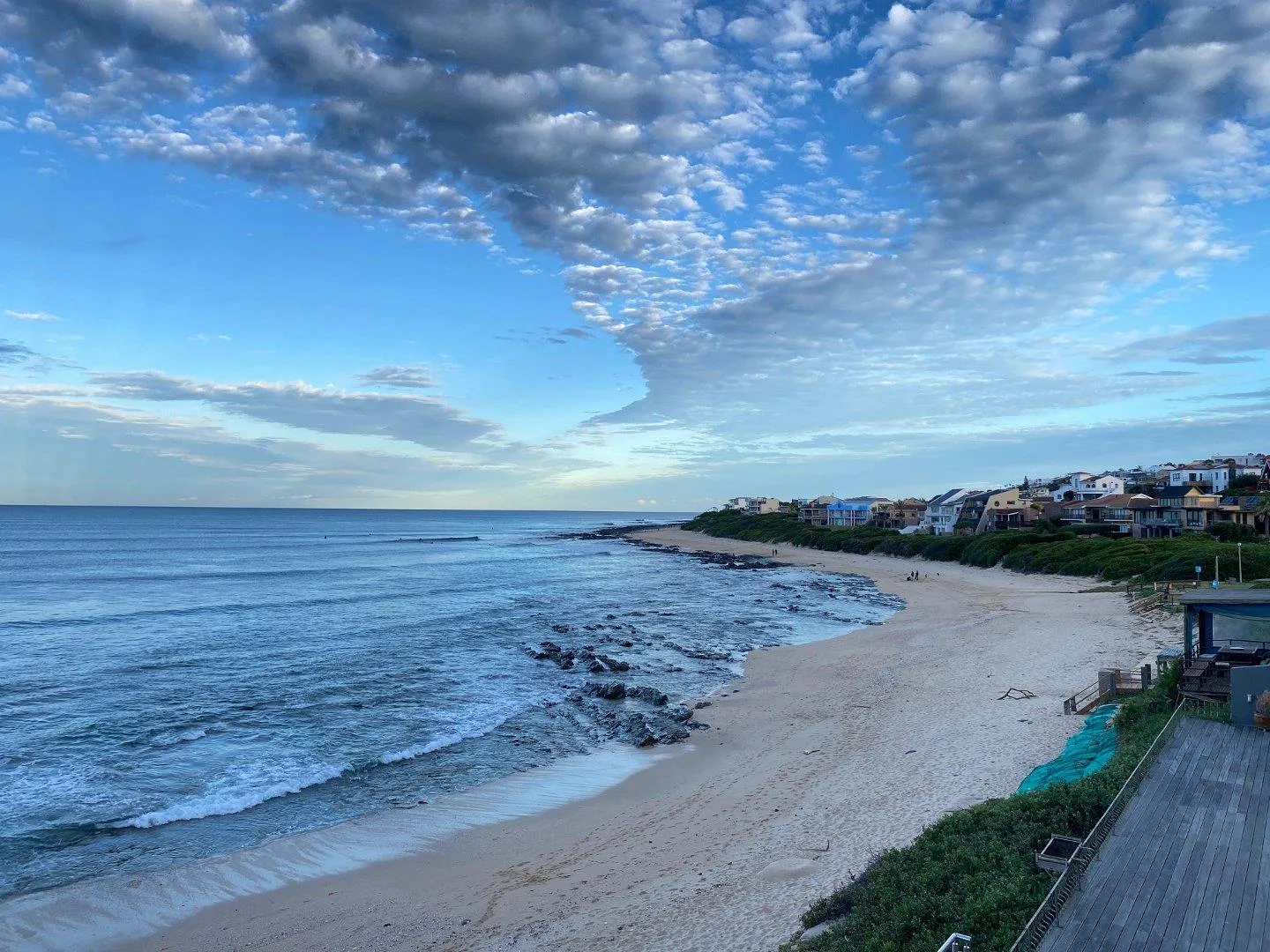



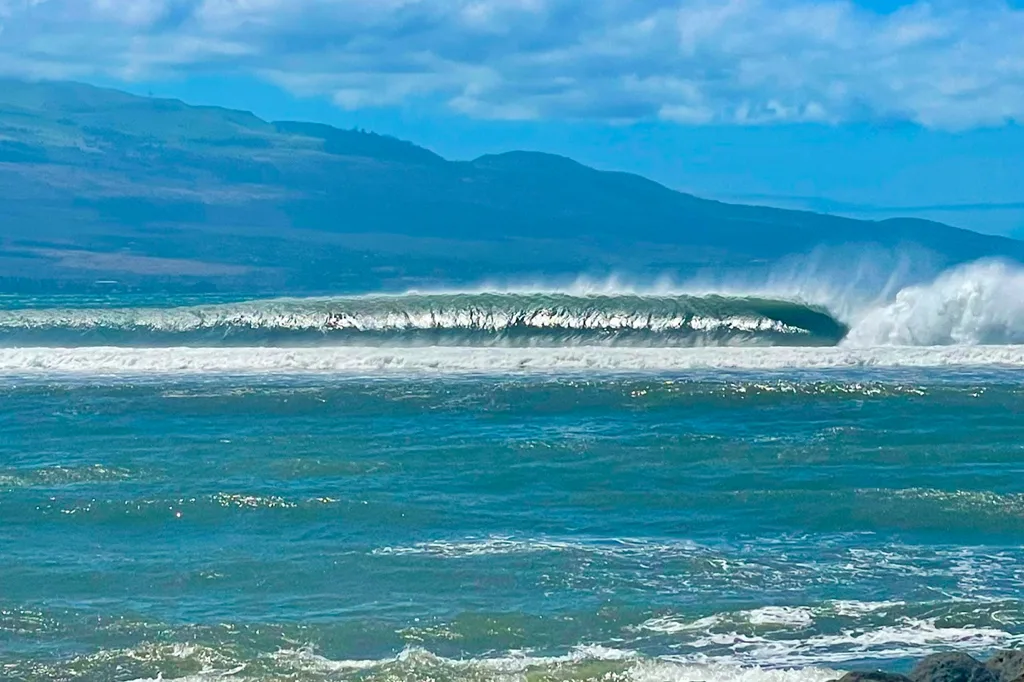
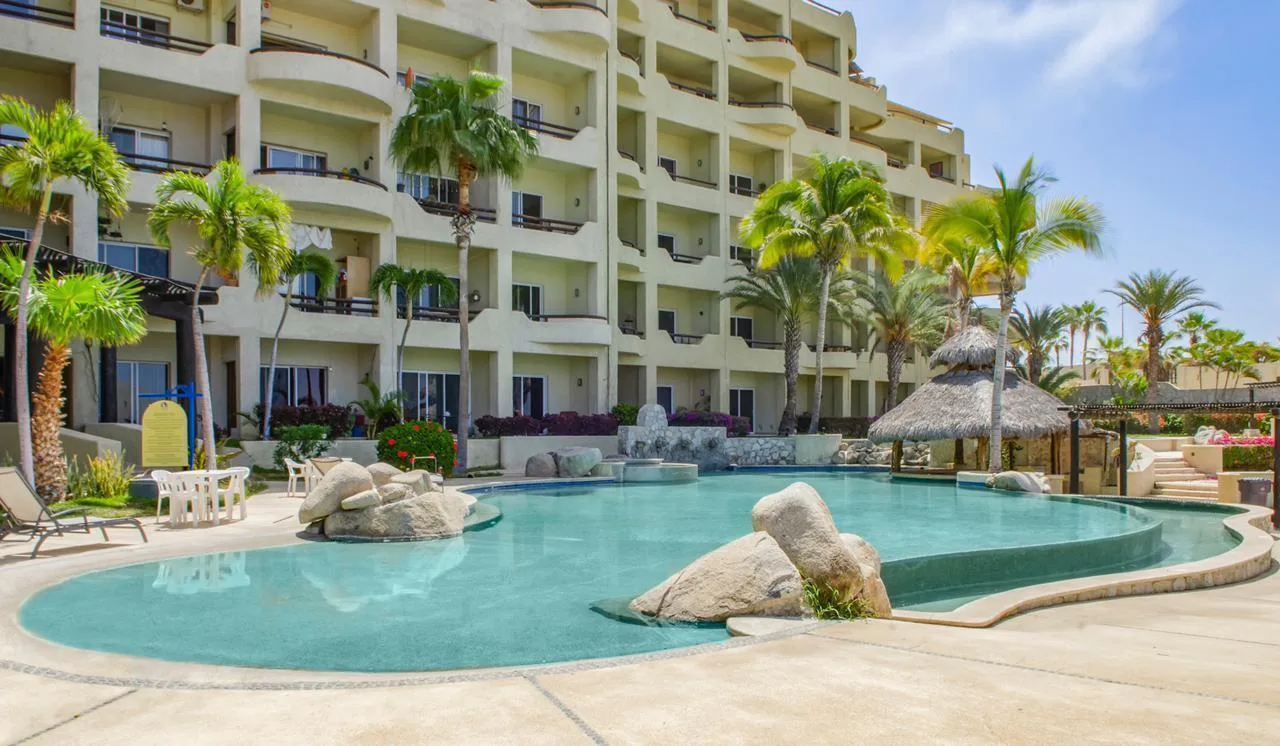



What to Know Before Buying a Surf Condo Abroad
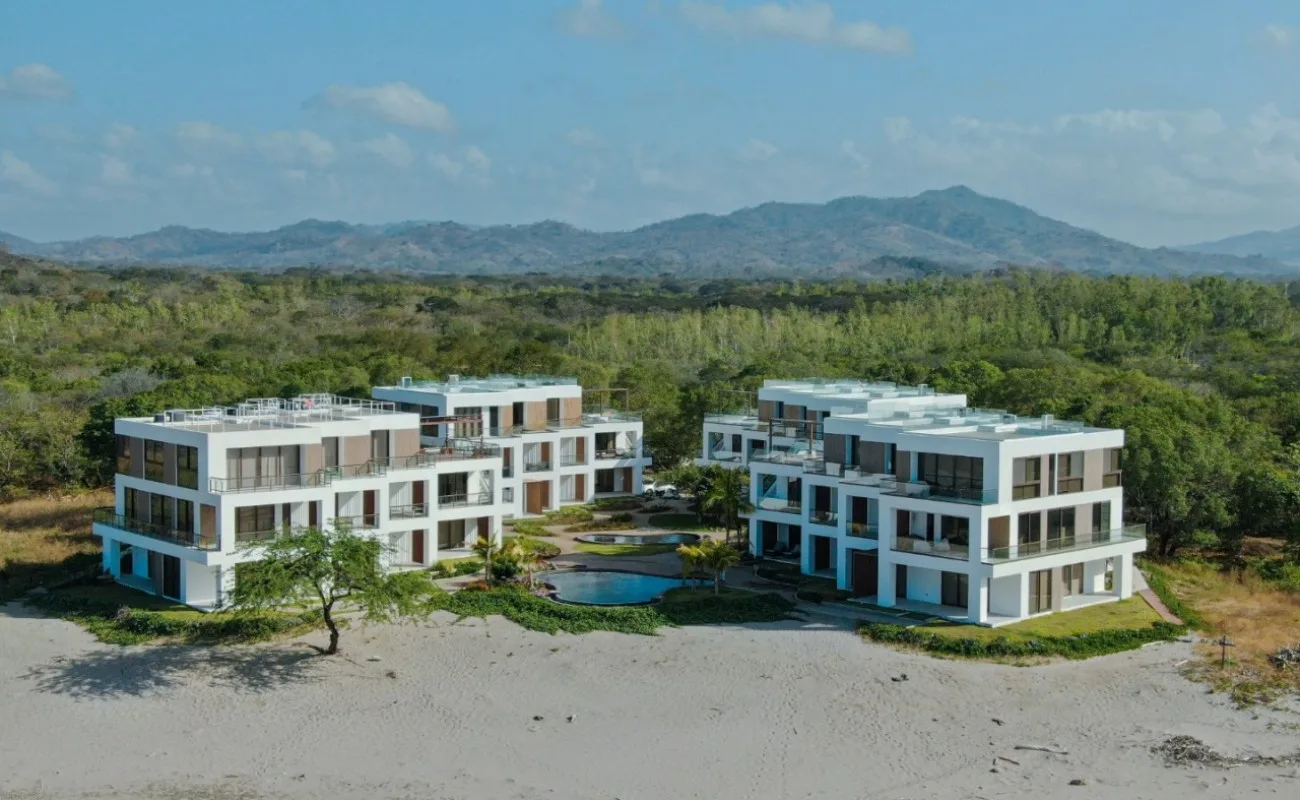
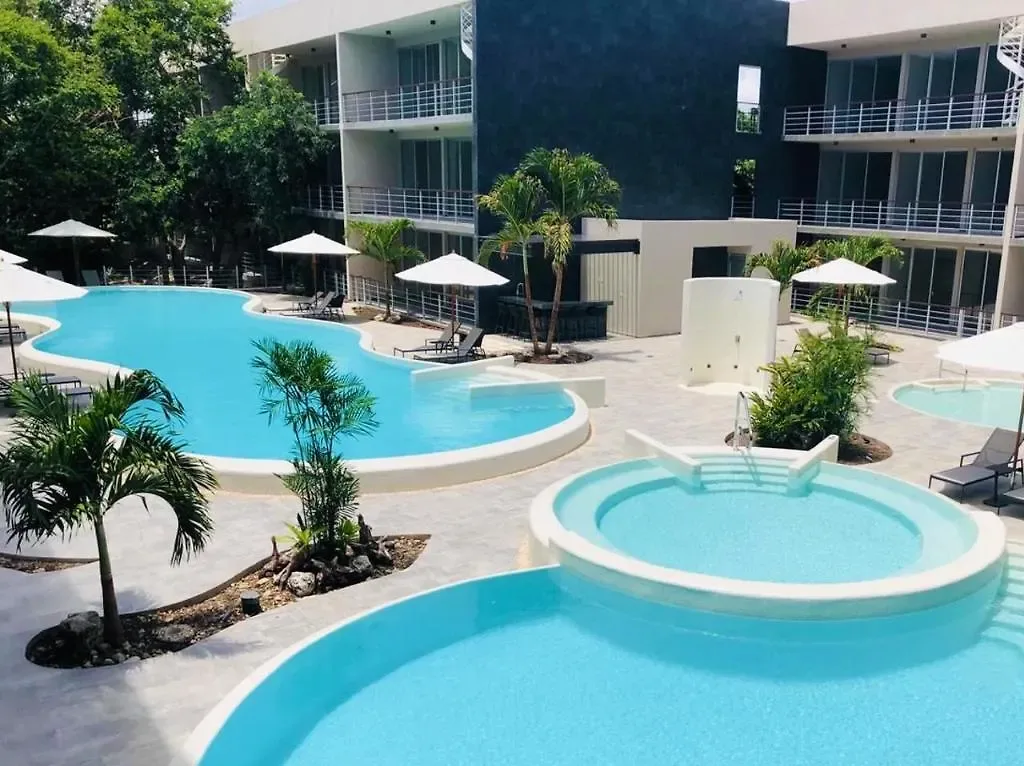
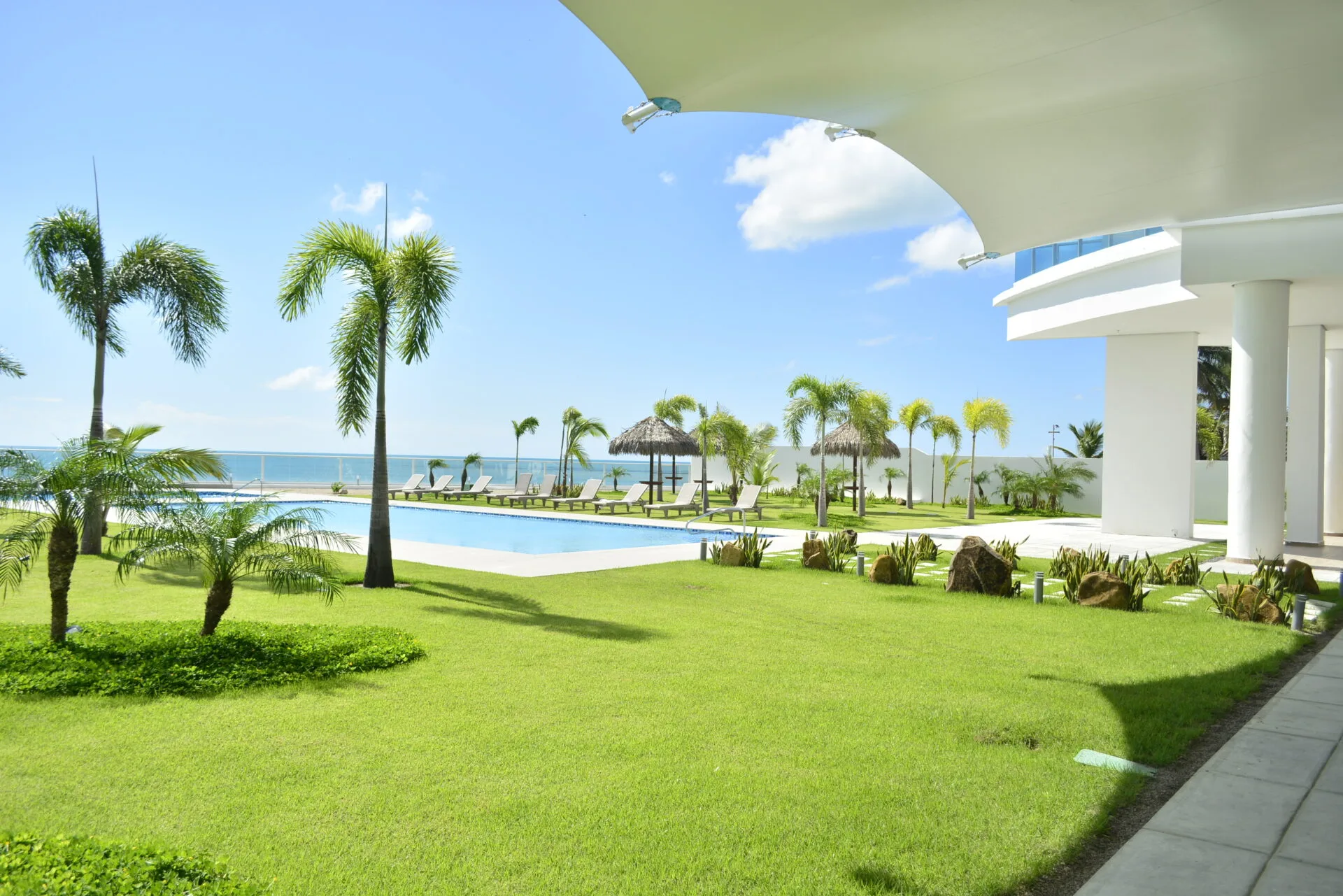
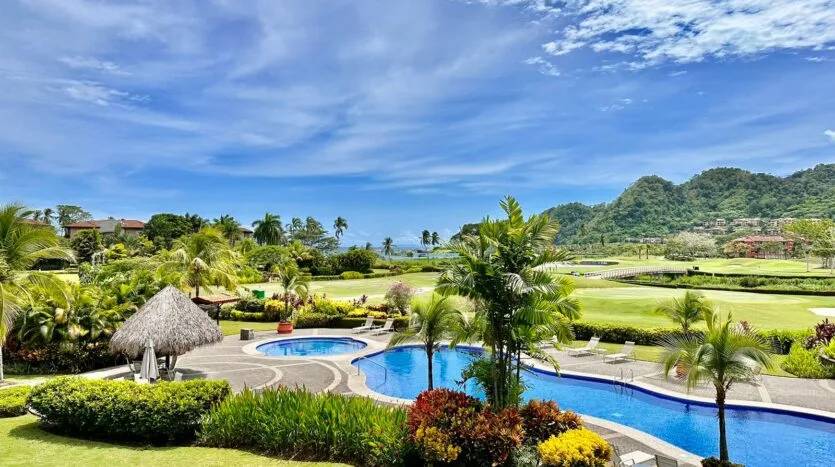
A condo gives you a base near the waves without the upkeep of a house: no garden, no pool to clean, and someone else watching the building while you are away. Most of the condos and apartments listed here are in Mexico, in Baja California Sur (Cerritos Beach, Cabo San Lucas), on the Guerrero coast (La Saladita, Ixtapa) and in Playa del Carmen. You will also find units along El Salvador's Surf City coast, at Makaha and Ma'alaea in Hawaii, at Hacienda Iguana in Nicaragua, at Playa Gorgona in Panama, at Los Sueños in Costa Rica, and at Jeffreys Bay in South Africa.
You are buying into the building, not just the unit
Every condo sits inside a shared-ownership regime with its own rules, budget and board. The name changes by country: a régimen de propiedad en condominio in Mexico, propiedad horizontal (the “PH” in many Panama listings), a sectional title scheme with a body corporate in South Africa, and an association of apartment owners in Hawaii. Before you make an offer, ask for the bylaws, the current budget, the reserve fund balance, recent meeting minutes and any planned special assessments. A building that has put off roof or seawall repairs will pass that cost to its owners sooner or later.
Rental rules decide the numbers
If you plan to rent the unit when you are not surfing, two sets of rules apply: the building's and the local government's. Some associations ban stays under 30 days, cap the number of rental nights or require owners to use an in-house rental program. Some local governments, including several in Hawaii, restrict short-term rentals outside designated resort areas. Get the rules in writing, and look at surf vacation rentals in the same town to see what comparable units actually earn and how often they are booked.
Title and ownership for foreign buyers
Foreigners can buy condos in most of the countries listed here, but the structure varies. In Mexico, coastal property inside the restricted zone is held through a bank trust (fideicomiso) or a Mexican company rather than directly. In Costa Rica, check that the building sits on titled land and not on concession land in the maritime zone. Check with a local attorney before you sign anything or send a deposit.
A quick checklist for surf condos
- Fees: what the monthly fee covers, and how much it has risen over the last few years.
- Reserves: whether the reserve fund can cover the roof, elevators, pools and storm damage.
- Board storage: a secure rack or locker, an outdoor shower and a place to rinse wetsuits.
- Salt air: the condition of railings, window frames and air-conditioning units on the ocean side.
- Insurance: what the building policy covers and what you need to insure yourself.
- Management: who holds the keys, handles guests and reports problems while you are away.
Browse condos by country in Mexico and El Salvador, or see every destination on the locations page. If you own a condo near a surf break, you can list it with us.
Explore by Destination
Popular Cities
Buying a Surf Condo or Apartment
A condo is the lowest-maintenance way to own near the waves: lock the door, hand the keys to a manager and go home. That convenience comes with building rules, so read them before you buy. Ask for the association's fees, its reserve fund, the rules on short-term rentals and pets, and whether there is secure storage for boards. Every listing links directly to the owner or listing agent.
Frequently asked questions
Can foreigners buy a beachfront condo in Mexico?
Yes. Mexico restricts direct foreign ownership of land near its coasts and borders, so foreign buyers in the restricted zone hold coastal property through a bank trust called a fideicomiso, or through a Mexican company. The trust gives you the right to use, rent, sell or pass on the condo, and it can be renewed. A Mexican notary handles the closing. Check with a local attorney about the trust terms and the costs involved.
What does PH mean in a Panama condo listing?
PH stands for propiedad horizontal, Panama's legal regime for buildings divided into separately owned units. Each owner holds title to their unit plus a share of the common areas, and the building is run by an owners' assembly with its own rules and fees. Ask for the building's regulations and recent assembly minutes before you buy, especially if you plan to rent the unit out.
What should I check about a condo building near the ocean?
Salt air, wind and storms are hard on coastal buildings. Ask for the age and condition of the roof, the state of balcony railings and window frames, how the building handles storm protection, and what its insurance covers. Then compare the reserve fund to upcoming repairs. A low monthly fee is less attractive if the building needs a special assessment soon after you buy.
Who looks after a surf condo when I am not there?
Most owners use either the building's own rental program or an independent property manager. A manager can handle guest check-ins, cleaning, repairs and paying local bills, usually for a share of rental income or a monthly fee. Ask what is included, how you get paid and how problems are reported. Some buildings require you to use their program if you rent the unit at all.
How close to the surf are these condos?
It varies from beachfront units with the break in view to apartments a short drive from the waves. Every listing is mapped against its nearest known surf break, so open the map view to see the distance and check the break's page for its wave type, skill level and best season. That tells you more about daily surf access than the word beachfront in a listing title.
Are surf condos a good way to start owning near the waves?
For many buyers, yes. A condo usually costs less than a house in the same town, needs less upkeep and is easier to lock up and leave. The trade-offs are monthly fees, building rules and less control over renovations and rentals. If you want to build your own place later, a condo can be a base while you look at land in the same area.