
Surf Businesses & Commercial Property for Sale
Find commercial property and surf businesses for sale in working surf towns: beachfront restaurants in Pavones, rental cabins and a restaurant in Dominical, waterfront marina sites in Golfito, a surf hotel near Las Flores in El Salvador and a surf school and café by Fistral Beach in Newquay. Each listing shows its nearest surf break, so you can judge the location the way your customers will.

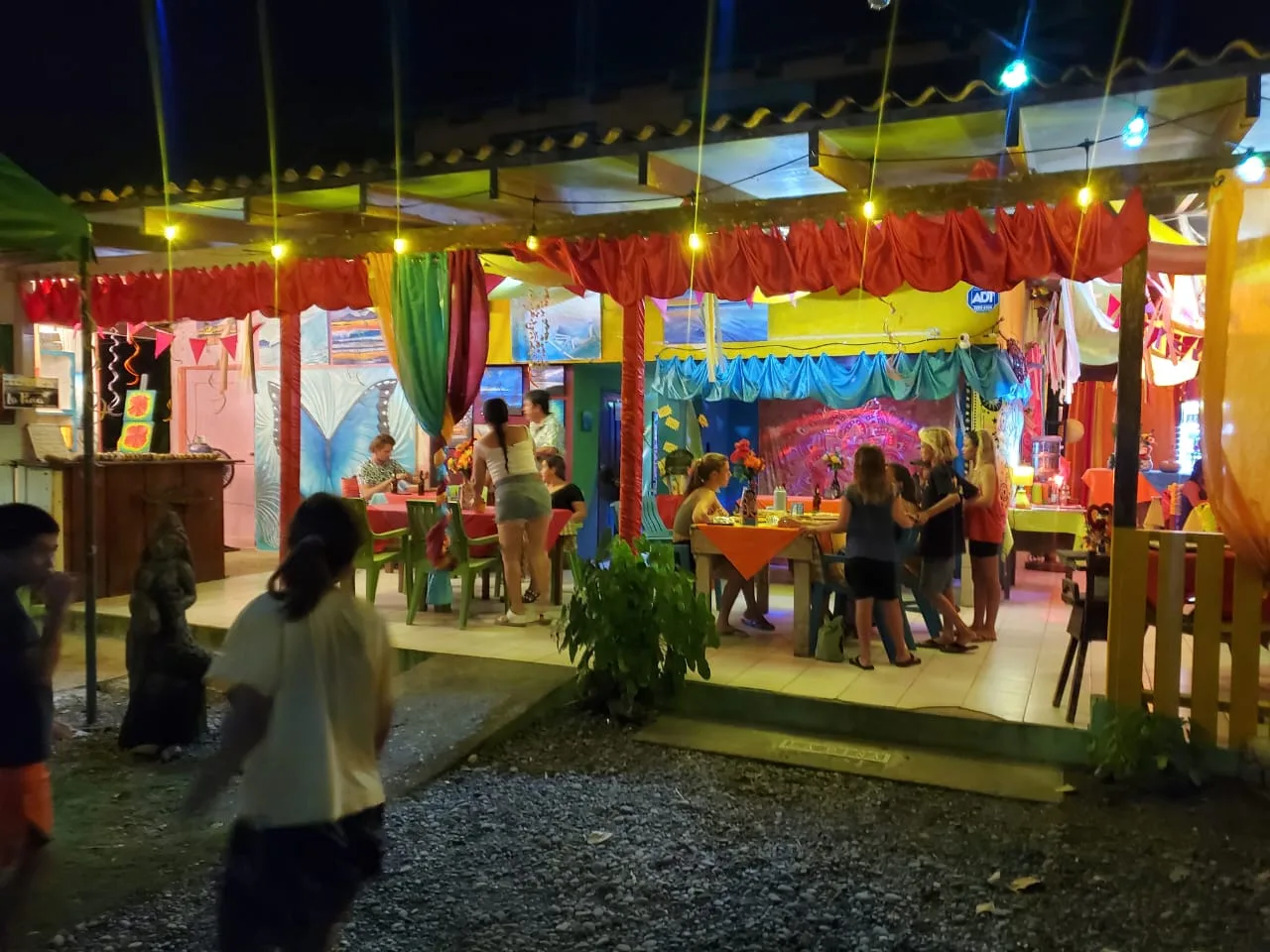


Buying a Business or Commercial Building in a Surf Town
Surf towns earn their money from visitors: people who need a bed, a meal, a board and a lesson. Most commercial listings on the site are on Costa Rica's southern Pacific coast, around Pavones, Golfito on the Golfo Dulce and Dominical. Others are in El Salvador (El Zonte, and Las Flores near El Cuco), at El Astillero in Nicaragua and in Newquay in Cornwall. Prices run from small operating businesses to large titled estates and marina sites, so the questions you ask depend on what you are buying.
Are you buying the property, the business, or both?
A listing can be the building alone, a going concern with staff and bookings, or the company that owns both. Ask the seller exactly what conveys: equipment, furniture, the business name, websites and booking accounts, supplier contracts, staff and any debts or tax liabilities. Ask for at least two years of real figures, month by month, so you can see how the business trades in and out of the swell season. If the business depends on the current owner's personal reputation, price that in.
Zoning, permits and business licences
Before you plan a surf shop, restaurant or hostel, confirm the permitted land use for the site. In Costa Rica and Mexico this is set out in a land-use certificate (uso de suelo) from the municipality. Operating a business usually needs its own licences on top of that. In Costa Rica, for example, a business needs a municipal licence (patente), a restaurant or lodging needs a health operating permit from the Ministry of Health, and selling alcohol needs a separate liquor licence. Some licences are tied to the operator or the premises and may not transfer automatically with a sale. Check with a local attorney which ones you will need to apply for in your own name.
Title on the coast
Waterfront commercial sites need extra care. In Costa Rica, the first 50 metres from the high-tide line are public, and most of the next 150 metres is held as a municipal concession rather than titled land, with its own limits for foreign owners. That is why some listings stress that they are fully titled. A marina or a new building on the shore will also need environmental approval and, for a marina, its own concession.
Common surf-town business types
- Restaurants and bars: check kitchen permits, the liquor licence, parking and trading hours.
- Surf schools and board rentals: ask about beach-use permits, insurance and instructor certification.
- Hostels and cabinas: review occupancy by month, online reviews and tourism registration.
- Mixed-use buildings: a shop or café below with rooms or apartments above can spread the risk.
- Larger hospitality: for full surf camps and hotels, browse surf resorts for sale.
For local background, read our guide to Pavones, Costa Rica real estate, or browse every destination on the locations page. Selling a surf business or building? You can list it with us and reach buyers searching by wave.
Explore by Destination
Popular Cities
Commercial Property in Surf Towns
Surf towns run on a visitor economy, and the businesses that serve it need somewhere to trade. International Surf Properties lists commercial real estate in established surf destinations — storefronts, restaurant spaces, mixed-use buildings and small hospitality sites within walking distance of the break. The fundamentals are the same ones that drive the residential market: proximity to a wave that works reliably, and the foot traffic between the accommodation and the beach path. Whether you're opening a board shop, buying the building your café already rents, or acquiring a mixed-use block that pays for itself upstairs, every listing links you directly to the owner or listing agent.
Frequently asked questions
What licences do I need to open a restaurant in a Costa Rica surf town?
Usually three: a land-use certificate (uso de suelo) confirming a restaurant is allowed on the site, a health operating permit from the Ministry of Health, and a municipal business licence (patente). Serving alcohol needs a separate liquor licence from the municipality. Requirements and timelines vary between cantons, so check with a local attorney before you buy or sign a lease.
Should I buy the business or just the building?
It depends on what you want to run. Buying only the real estate gives you a clean start and avoids the seller's liabilities, but you build the customer base from zero. Buying the operating business gets you staff, bookings and reviews, but you take on its history. Many buyers in surf towns buy the property and the business assets, not the company itself. Check with a local attorney and accountant before you choose.
How do I value a surf business that is for sale?
Start with real numbers: two or more years of monthly revenue, costs, taxes paid and occupancy if it offers rooms. Compare the swell season with the quiet months, and ask how much of the trade depends on the owner personally. Then compare the asking price with the cost of buying similar land and building the same thing yourself. If the figures are not documented, value it as property only.
What is the difference between titled and concession land in Costa Rica?
Titled land is registered private property that you own outright, and foreigners can hold it on the same terms as citizens. Concession land sits inside the maritime zone, mostly between 50 and 200 metres from the high-tide line, and is leased from the municipality for a set term with conditions on use and limits on foreign control. Check the land registry and confirm the status with a local attorney.
Can I live on the property and run a hostel or cabinas?
Often, yes. Many surf-town owners live on site and rent rooms or cabinas to visiting surfers. Confirm that the land use allows lodging, that each building was built with permits, and which tourism and tax registrations apply where you are buying. Water, septic capacity and parking also limit how many guests a site can take, so check them before you plan to expand.
When is the best time to visit a surf business before buying?
Visit twice if you can: once in peak surf season to see how busy it gets, and once in the quiet months to see what it costs to keep open. Talk to neighbouring businesses, count the foot traffic at different times of day, and check how guests reach the town in the rainy season. A business that only works for a few months needs to earn its year in that window.