The Best Surf Towns in the World to Live and Buy Property (2026 Buyer's Guide)
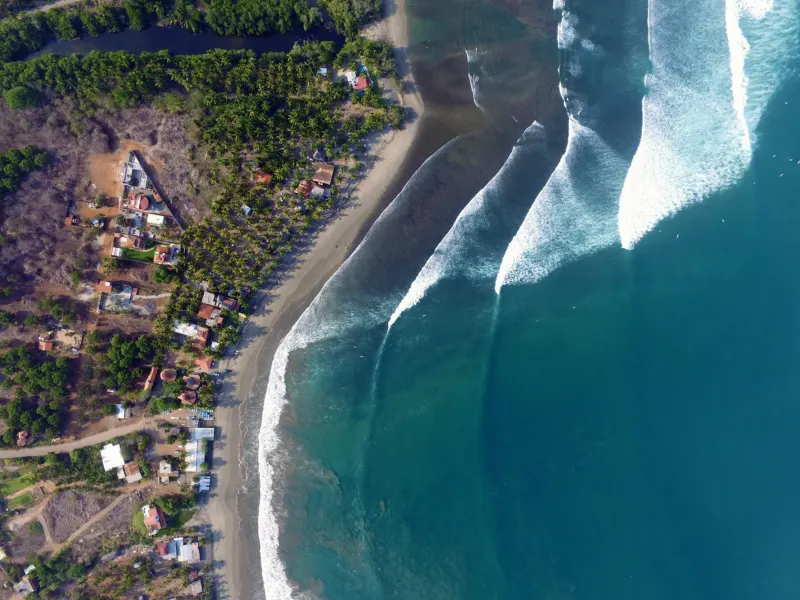
The best surf towns to live in and buy property in 2026 are the ones where good waves, a livable town and a clear path to legal ownership all overlap. Plenty of places have one or two of those. Far fewer have all three, and those are the surf towns this guide is about.
Quick answer: For surfers buying a home or rental in 2026, our top picks are Puerto Escondido and Sayulita/San Pancho (Mexico), Nosara and Santa Teresa (Costa Rica), Popoyo (Nicaragua), El Tunco/El Zonte (El Salvador), Santa Catalina (Panama), Ericeira (Portugal), Taghazout (Morocco), Uluwatu/Canggu (Bali), Arugam Bay (Sri Lanka), Rincón (Puerto Rico) and Siargao (Philippines).
We've spent years matching surfers with property near the waves they love, and the same questions come up every time. How consistent is the surf, really? How far is the airport? Can a foreigner hold title, or only a lease? Will it rent when I'm not there? This guide works through those questions town by town, then gives you a checklist, a side-by-side comparison table and answers to the questions buyers ask most.
One note before we start. Property rules, taxes and prices change, sometimes quickly. Everything here reflects our understanding as of September 2026. Treat it as a starting point for your research, and hire an independent local attorney before you commit money anywhere.
Table of Contents
- How we picked these surf towns
- Mexico: Puerto Escondido and Sayulita/San Pancho
- Costa Rica: Nosara and Santa Teresa
- Nicaragua: Popoyo and San Juan del Sur
- El Salvador: El Tunco and El Zonte ("Surf City")
- Panama: Santa Catalina
- Portugal: Ericeira
- Morocco: Taghazout
- Indonesia: Uluwatu and Canggu, Bali
- Sri Lanka: Arugam Bay
- Puerto Rico: Rincón
- Philippines: Siargao
- Surf towns compared at a glance
- How to choose a surf town: the buyer's checklist
- Beach property investment: what to weigh
- Cheap vs. premium beachfront real estate
- FAQ
How we picked these surf towns
A great surf trip destination and a great place to own property are not the same thing. A remote reef with no road might be the session of your life, but you can't fix a roof or rent a villa there. So we weighed each town on five things:
- The waves: quality, consistency across the year and the range of skill levels served.
- Livability: airport access, internet, healthcare, groceries and a real community outside peak season.
- Legal clarity: whether foreigners can hold title, and what structure they need.
- Rental potential: whether there's year-round visitor demand, not just a six-week spike.
- Price band: we use relative bands ($ = entry level, $$ = mid-market, $$$ = premium) rather than specific figures, because asking prices vary enormously by street, view and title type, and quoted averages are often out of date.
Mexico: Puerto Escondido and Sayulita/San Pancho
Mexico is the most practical first stop for many North American buyers: short flights, a huge surf coastline, and a well-worn legal route to ownership on the coast. Browse current listings on our Mexico surf property page.
Ownership in one line: Foreigners can't hold direct title within 50 km of the coast (the "restricted zone"), so coastal buyers use a fideicomiso (bank trust) or a Mexican company. Mexican firm CCN Law explains the restricted-zone rules here, and our own guide to buying surf property in Mexico walks through the process step by step.
Puerto Escondido, Oaxaca
The waves: Playa Zicatela is the famous one, a thick, hollow beach break often called the Mexican Pipeline, and it's strictly for experienced surfers when it's working. La Punta, at the southern end, is a friendlier left that suits intermediates, and Carrizalillo, tucked inside a cove, is where beginners learn. The biggest south swells tend to arrive from roughly April through October.
Lifestyle: Puerto Escondido has its own airport (PXM) with domestic connections, which is rare for a surf town this raw. The town has grown fast, with more cafés, coworking spaces and fiber internet in the busier neighborhoods. For serious medical care, most residents travel to larger cities.
Property picture ($–$$): Condos and small villas around Zicatela and Rinconada, lots and houses further out in the hills and along the coast toward Bacocho and beyond. Buyers still find more affordable beachfront property for sale here than in Mexico's more polished resort areas.
Rental potential: Strong during the big-wave season and the winter holiday period, with a growing base of long-stay remote workers.
Sayulita and San Pancho, Nayarit
The waves: Sayulita's main break is a mellow right and left over a mixed bottom, one of the best surf spots for intermediate surfers and beginners on the Pacific coast of Mexico. San Pancho (San Francisco), a few minutes north, has a punchier beach break. Both pick up north swells in winter and south swells in summer.
Lifestyle: Roughly an hour's drive from Puerto Vallarta International Airport (PVR), with good access to Vallarta's hospitals and shopping. Sayulita is busy and social; San Pancho is quieter and has a strong community feel.
Property picture ($$–$$$): Hillside villas with ocean views, condos, and a limited supply of true beachfront. This is one of the more expensive surf towns in Mexico, reflecting its popularity with vacation renters.
Rental potential: Among the strongest in this guide, particularly from November to April. The trade-off is competition from a large supply of existing vacation rentals.
Costa Rica: Nosara and Santa Teresa
Costa Rica pairs very consistent Pacific surf with political stability and a long-established expat community. See current listings on our Costa Rica page.
Ownership in one line: Foreigners can own titled property on the same basis as citizens, but most land within 200 meters of the high-tide line falls under the Maritime Zone Law: the first 50 meters are public, and the next 150 meters are typically held as a government concession with extra restrictions for foreigners. AEGIS Legal Partners has a clear explainer.
Nosara (Playa Guiones), Guanacaste
The waves: Playa Guiones is a long, open beach break that picks up swell almost all year, with peaks for every level. That consistency is the main reason Nosara shows up on so many lists of the best places to live and surf.
Lifestyle: Nosara has a small domestic airstrip, and Liberia International Airport (LIR) is a few hours away by road. Many of the dirt roads are rough, especially in the green season. The town has a strong wellness and yoga scene, good schools by rural standards and a large international community.
Property picture ($$$): Jungle-set homes and villas back from the beach (a protected strip and the Maritime Zone keep most buildings off the sand), plus lots in the surrounding hills. It's one of the premium surf towns in Central America.
Rental potential: High demand, premium nightly rates and a long season, though you're competing with a mature luxury rental market.
Santa Teresa and Mal País, Puntarenas
The waves: Several kilometers of beach breaks and reef set-ups on the tip of the Nicoya Peninsula, with consistent swell and plenty of options for intermediate surfers. The dry season (roughly December to April) brings the cleanest offshore mornings.
Lifestyle: Getting there takes some effort: a small plane to the Tambor airstrip, or a drive plus ferry from the mainland. Once there, the town has good restaurants, fitness studios and improving internet. Major hospitals are on the mainland.
Property picture ($$–$$$): Hillside homes with ocean views, boutique villas and lots. Prices have climbed steadily as the town's profile has grown.
Rental potential: Strong, particularly among younger travelers and digital nomads.
Nicaragua: Popoyo and San Juan del Sur
Nicaragua's southern Pacific coast has world-class surf and prices that are often below its neighbors, balanced by greater political and regulatory uncertainty. Explore listings on our Nicaragua page.
Ownership in one line: Foreigners generally have the same property rights as Nicaraguans, but Law 690 of 2009 makes the first 50 meters from the high-tide line public domain, so beachfront titles need careful legal review.
Popoyo and the Tola coast, Rivas
The waves: Popoyo's outer reef and main reef are the headliners, and the region is known for offshore winds blowing in off Lake Nicaragua for much of the year. There's a mix of reef and beach breaks within a short drive, suitable for intermediates up to experts. The larger swells tend to arrive from about April through October.
Lifestyle: Roughly a two-and-a-half to three-hour drive from Managua's international airport. The area is rural and relaxed; groceries, healthcare and reliable power can take planning, and many homes run backup systems.
Property picture ($–$$): Lots, simple houses and villas in developed communities. This coastline still offers some of the most inexpensive beachfront homes for sale on the Central American Pacific.
Rental potential: Solid among dedicated surf travelers; more seasonal and more sensitive to travel advisories than the Costa Rica or Mexico markets.
San Juan del Sur
San Juan del Sur is the region's service town, with restaurants, a bay-front promenade and more everyday infrastructure. The surf is at nearby beaches rather than in the bay itself (Playa Maderas is the best known), so most surfers drive or take a shuttle north or south each morning. Property ranges from town condos to hillside homes, generally in the $–$$ band.
El Salvador: El Tunco and El Zonte ("Surf City")
El Salvador has marketed its Pacific coast under the "Surf City" brand and hosted international surf events, and its right-hand point breaks are among the most consistent in Central America. See listings on our El Salvador page.
Ownership in one line: According to the U.S. State Department's 2025 Investment Climate Statement, foreigners can buy urban property on the same terms as Salvadorans. Rural land is subject to a reciprocity rule, and no single person may own more than 245 hectares.
El Tunco, El Sunzal and El Zonte, La Libertad
The waves: A string of rocky right points (Punta Roca, El Sunzal, El Zonte, K59 and others) spaced along a short stretch of coastline. There's something for intermediates at El Sunzal and El Zonte on smaller days and heavier waves for experts at Punta Roca. The main season runs roughly March to October, though surf is available most of the year.
Lifestyle: El Salvador International Airport (SAL) is typically well under an hour's drive, one of the shortest airport transfers in this guide. The coastal highway has been upgraded, and San Salvador's private hospitals and malls are close by. The country uses the U.S. dollar.
Property picture ($–$$): Cliffside homes, small boutique hotels, condos and lots. Prices have risen since the country's security situation changed, but they're still often lower than comparable property in Costa Rica.
Rental potential: Growing, helped by the short airport run and the country's rising tourism profile.
Panama: Santa Catalina
Santa Catalina is a small fishing-village-turned-surf-town on Panama's Veraguas coast, and the gateway to Coiba National Park, a UNESCO World Heritage Site. See listings on our Panama page.
Ownership in one line: Foreigners can own titled property in most of Panama, but not within 10 km of the national borders, and some coastal and island land is held only as "right of possession" rather than full title. Living in Panama explains the 10 km rule.
The waves: La Punta is a powerful right and left over a rock reef, best for experienced surfers when it's big. Smaller days and the beach break at Playa Estero suit intermediates. South swells from roughly April to October bring the best conditions.
Lifestyle: Remote. It's a long drive (several hours) from Panama City, and services are basic. Many buyers here value the quiet and the diving and fishing at Coiba as much as the surf.
Property picture ($–$$): Lots, simple homes and small eco-lodges. Checking whether a parcel is titled or right-of-possession is essential.
Rental potential: Niche but loyal: surfers, divers and eco-travelers.
Portugal: Ericeira
Ericeira is Europe's best-known surf town and a genuine place to live year-round, not just a summer resort. See listings on our Portugal page.
Ownership in one line: Portugal places no general restriction on foreigners buying property; non-residents will need a Portuguese tax number (NIF) and should use a local lawyer for due diligence.
The waves: In 2011 Ericeira became Europe's first World Surfing Reserve, a designation from Save The Waves Coalition covering a stretch of coast with a high density of quality reef and point breaks, including Coxos and Ribeira d'Ilhas. Autumn and winter bring the most powerful Atlantic swells; summer is smaller and better for learners. Many of the headline reefs are for advanced surfers, but there are gentler beaches nearby.
Lifestyle: Lisbon's airport is typically under an hour's drive. You get European healthcare, reliable fiber internet, good schools in the region and a lively town with a real winter population.
Property picture ($$–$$$): Apartments in and around the old town, townhouses and villas in nearby villages. It's one of the pricier surf towns in this guide, reflecting its proximity to Lisbon.
Rental potential: Year-round demand from surfers and Lisbon weekenders. Portugal's short-term rental licensing rules have changed several times in recent years, so check the current position with a local advisor before you buy for rental income.
Morocco: Taghazout
Taghazout, just north of Agadir, is Africa's most famous surf village and a winter escape for European surfers.
Ownership in one line: Foreigners can generally buy properly titled residential property in Morocco; the main restriction is on agricultural land. Look for a registered titre foncier. Korte Law's guide covers the details.
The waves: A run of long right-hand points (Anchor Point and Killer Point are the best known) and friendlier beach breaks nearby. The season runs from about October to March, when North Atlantic swells arrive. There's a good range for intermediate surfers on smaller days.
Lifestyle: Agadir's airport is usually less than an hour away, with European connections. The large Taghazout Bay resort development next to the village has added hotels, apartments and amenities.
Property picture ($–$$): Apartments in the village and in the newer resort, plus villas in the surrounding hills. The resort developments offer the cleanest titles for foreign buyers.
Rental potential: Strong in the European winter; quieter in summer.
Indonesia: Uluwatu and Canggu, Bali
Bali needs no introduction to surfers, and its property market is one of the most active in Asia. The ownership rules, however, are very different from what most Western buyers expect. See listings on our Indonesia page.
Ownership in one line: Foreigners cannot hold freehold (Hak Milik) land. The usual routes are a long-term leasehold, a Hak Pakai (right-to-use) title for residents, or a foreign-owned company (PT PMA) holding a right-to-build (HGB) title. Get independent Indonesian legal advice.
Uluwatu and the Bukit Peninsula
The waves: A string of world-class left-hand reef breaks: Uluwatu itself, Padang Padang, Bingin, Impossibles and more. Most are for intermediate-plus to expert surfers. The dry season (roughly April to October) brings consistent Indian Ocean swell and offshore trade winds.
Lifestyle: Bali's international airport (DPS) is usually well under an hour away, traffic permitting. Clifftop living, beach clubs and good private clinics in the south of the island.
Property picture ($$–$$$): Clifftop villas, leasehold villas, and lots. Water supply and access roads vary a lot between plots, so check them.
Rental potential: Very strong villa rental demand, but also a lot of supply. Well-located, well-managed properties stand out; generic ones compete on price.
Canggu
Canggu's beach and reef breaks are more forgiving, and many locals regard it as one of the best areas for intermediate surfers in Bali. It's a busy, café-lined hub for remote workers, with heavy traffic and rising prices ($$–$$$).
Sri Lanka: Arugam Bay
Arugam Bay, on Sri Lanka's east coast, is a laid-back point-break town that has become a fixture on the Indian Ocean surf circuit.
Ownership in one line: Under the Land (Restrictions on Alienation) Act No. 38 of 2014, foreigners generally can't acquire freehold land; they can lease land for up to 99 years, and there's an exemption for condominium units on the fourth floor or higher.
The waves: The Main Point is a long right-hander, and there are several other points up and down the coast, like Whiskey Point and Pottuvil Point. There's a real mix of levels. The season runs roughly May to September, when Sri Lanka's west and south coasts are off-season.
Lifestyle: It's a long drive from Colombo's international airport. Arugam Bay is a small, seasonal town with basic healthcare; many businesses close or slow down outside the surf season.
Property picture ($): Mostly leasehold land and guesthouses. Some of the most affordable beachfront real estate in this guide, but a leasehold rather than ownership.
Rental potential: Strong during the season, very quiet the rest of the year.
Puerto Rico: Rincón
Rincón, on Puerto Rico's northwest corner, is the Caribbean's classic surf town, and it's the one place in this guide where U.S. buyers deal with familiar law and currency.
Ownership in one line: Puerto Rico is a U.S. territory with no restrictions on foreign or mainland U.S. buyers; transactions use U.S. dollars and familiar title insurance.
The waves: Rincón hosted the 1968 World Surfing Championships at Domes, and nearby Tres Palmas is one of the Caribbean's premier big-wave spots. Maria's, Sandy Beach and several reef breaks give a spread of levels. The season runs roughly from October or November through March, when North Atlantic groundswells arrive.
Lifestyle: Aguadilla's Rafael Hernández Airport (BQN) is typically under an hour's drive, with direct flights to the U.S. mainland; San Juan is a longer drive. Healthcare, banking and internet work much like the mainland, though power reliability has been an issue on the island, and many homeowners install backup systems.
Property picture ($$–$$$): Hillside homes with ocean views, condos and some beachfront. Pay close attention to hurricane exposure and coastal erosion, which has affected parts of this coast.
Rental potential: Strong in winter, with a U.S. visitor base that doesn't need passports.
Philippines: Siargao
Siargao, in the Philippines' Mindanao region, is built around Cloud 9, one of Asia's most famous right-hand reef breaks.
Ownership in one line: Foreigners cannot own land in the Philippines. They can own condominium units as long as foreign ownership in the building stays at or below 40%, or lease land long-term. Respicio & Co. outlines the condominium rules.
The waves: Cloud 9 is a hollow reef break for experienced surfers. There are gentler reefs and lagoons nearby, like Jacking Horse and Quicksilver, for intermediates. The best swells typically arrive from about September to November.
Lifestyle: Sayak Airport has domestic flights from major Philippine cities, including Manila and Cebu. General Luna is the main hub, with restaurants, coworking and improving internet. Serious medical care means a flight off the island. Siargao sits in a typhoon-exposed part of the country.
Property picture ($–$$): Leasehold land, resort units and small villas. Most foreign buyers use long leases or partner with Filipino-owned entities, which demands careful legal work.
Rental potential: Strong and growing, driven by domestic and international tourism.
Surf towns compared at a glance
| Surf town | Country | Wave type & best level | Best season (approx.) | Nearest major airport | Price band | Foreign ownership | Rental demand |
|---|---|---|---|---|---|---|---|
| Puerto Escondido | Mexico | Heavy beach break, point; all levels (by spot) | Apr–Oct | PXM (local) | $–$$ | Fideicomiso or Mexican company | High, seasonal |
| Sayulita / San Pancho | Mexico | Mellow reef and beach breaks; beginner–intermediate | Year-round | PVR (~1 hr) | $$–$$$ | Fideicomiso or Mexican company | Very high |
| Nosara | Costa Rica | Consistent beach break; all levels | Year-round | LIR (several hrs) / local airstrip | $$$ | Titled property; 200 m Maritime Zone | Very high |
| Santa Teresa | Costa Rica | Beach and reef breaks; all levels | Dec–Apr cleanest | Tambor airstrip / SJO | $$–$$$ | Titled property; 200 m Maritime Zone | High |
| Popoyo | Nicaragua | Reef and beach breaks; intermediate–expert | Apr–Oct | MGA (~2.5–3 hrs) | $–$$ | Equal rights; 50 m public zone | Moderate |
| El Tunco / El Zonte | El Salvador | Right points; intermediate–expert | Mar–Oct | SAL (under 1 hr) | $–$$ | Urban property equal terms | Growing |
| Santa Catalina | Panama | Reef point; intermediate–expert | Apr–Oct | PTY (long drive) | $–$$ | Titled property; check for ROP | Niche |
| Ericeira | Portugal | Reefs and points; intermediate–expert | Sep–Mar | LIS (under 1 hr) | $$–$$$ | No general restriction | High, year-round |
| Taghazout | Morocco | Right points; intermediate–expert | Oct–Mar | AGA (under 1 hr) | $–$$ | Titled property; not agricultural | High in winter |
| Uluwatu / Canggu | Indonesia | Left reefs (Uluwatu); easier breaks (Canggu) | Apr–Oct | DPS (under 1 hr) | $$–$$$ | Leasehold, Hak Pakai or PT PMA | Very high |
| Arugam Bay | Sri Lanka | Right points; all levels | May–Sep | CMB (long drive) | $ | Lease up to 99 yrs; condos 4th floor+ | Seasonal |
| Rincón | Puerto Rico | Reefs and points; all levels | Oct/Nov–Mar | BQN (under 1 hr) | $$–$$$ | No restrictions (U.S. territory) | High in winter |
| Siargao | Philippines | Hollow reef (Cloud 9); intermediate–expert | Sep–Nov | IAO (local) | $–$$ | No land; condos under 40% cap; leases | Growing |
Seasons, drive times and price bands are generalizations. Conditions vary year to year, and prices vary widely within each town.
How to choose a surf town: the buyer's checklist
The best place to live as a surfer is personal. A 25-year-old charger and a couple looking for the best place to retire and surf want very different things. Work through this list before you fall for a view:
- Wave consistency and crowd. Look at swell data across a full year, not just the highlight reel. Consider how busy the lineup is in peak season and whether there are alternatives nearby when the main break is crowded or flat. Our surf breaks directory is a good place to start.
- Your level, now and later. A heavy reef is thrilling at 30 and less so at 65. Towns with a mix of breaks (Sayulita, Nosara, Rincón, Taghazout) age well.
- Access. Time door to door from your home city matters more than miles. A 45-minute transfer from an international airport changes how often you'll actually use the property, and how easily renters will find it.
- Water, power and internet. Ask about well or municipal water, backup power, and actual (not advertised) internet speeds at the specific property.
- Healthcare. Know where the nearest clinic and the nearest full hospital are, and how you'd get there in an emergency.
- Legal ownership. Understand whether you'll hold title, a trust, a concession, a company-owned title or a lease, and what happens when you sell or pass the property on.
- Rental demand and rules. Check whether short-term rentals are legal and licensed, and whether demand exists outside the peak months.
- Climate, hurricane and erosion risk. Check hurricane and typhoon exposure, flood zones and shoreline erosion. Setbacks exist for good reason.
- Community. Spend real time there, ideally in the off-season, before you buy. The town in October may feel nothing like the town in March.
Beach property investment: what to weigh
Beach property investment can be rewarding, but we won't quote you a typical rental yield, because there isn't one. Returns depend on the exact location, how the property is priced and presented, occupancy, management quality, currency moves and local taxes. Be wary of anyone who promises a fixed number without showing you a verified rental history.
What we do tell every buyer:
- Budget for carrying costs. Salt air is hard on everything. Expect ongoing costs for maintenance, insurance (where available), property taxes, HOA or community fees, utilities, security and, in many places, trust or company administration fees.
- Plan for management. Unless you live there full-time, you'll need a reliable local property manager for bookings, cleaning, maintenance and guest problems. Their fees and competence will make or break your returns.
- Understand taxes both ways. You may owe tax in the country where the property is and in your home country. Get advice on both sides before you buy.
- Stress-test the seasonality. Model your numbers on realistic occupancy in the slow months, not just peak season.
- Think about the exit. Who will buy this property from you in ten years? Clean title and a structure that's easy to transfer make resale far easier.
Cheap vs. premium beachfront real estate
Searches for cheap beachfront real estate and inexpensive beachfront homes for sale are popular for a reason: there are still places where surfers can buy near good waves for a fraction of what they'd pay in California or Hawaii. But lower prices usually reflect something, so understand the trade-off.
Entry-level markets ($), such as parts of Nicaragua, El Salvador, rural Panama, Sri Lanka and Siargao, tend to offer more land and ocean for the money and more upside if the area develops. They also tend to come with longer travel times, thinner healthcare and infrastructure, more complex title situations and more seasonal rental demand.
Premium markets ($$$), such as Nosara, parts of Sayulita, Ericeira and Bali's Bukit, cost more up front but usually offer easier access, deeper rental demand, more professional management options and often a more liquid resale market.
Neither is automatically the better beach property investment. The right choice depends on whether you're buying mainly to live, mainly to rent, or somewhere in between, and on how much complexity you're comfortable managing from a distance.
FAQ
What is the best surf town in the world to live in?
There's no single answer, but for a mix of good waves, infrastructure and legal clarity, Ericeira (Portugal), Nosara (Costa Rica), Sayulita (Mexico) and Rincón (Puerto Rico) are consistently strong choices. Budget buyers often look at El Salvador's Surf City coast and Nicaragua's Popoyo.
What are the best surf towns for intermediate surfers?
Sayulita, Nosara, Canggu, Taghazout on smaller days, El Zonte and Rincón all offer plenty of waves suitable for intermediates. Avoid buying in a town where the only good wave is an expert-only reef unless you're already surfing at that level.
Where is the best place to retire and surf?
Retirees usually prioritize healthcare, easy flights and gentle waves. Rincón (U.S. healthcare and law), Ericeira (European healthcare and Lisbon nearby), Sayulita/San Pancho (near Puerto Vallarta's hospitals) and Nosara are popular for that reason.
Can foreigners buy beachfront property?
Often, yes, though not always outright. Mexico requires a bank trust or company near the coast; Costa Rica and Nicaragua reserve the first 50 meters from the high-tide line as public; Indonesia, the Philippines and Sri Lanka don't allow foreigners to own land freehold. Portugal and Puerto Rico have no general restrictions. Always confirm with local counsel.
Where can I find cheap beachfront property for sale?
Relative value today is often found in Nicaragua, El Salvador, rural Panama, Morocco and Sri Lanka (leasehold). Lower prices usually come with trade-offs in access, infrastructure or title complexity, so do extra due diligence.
Is surf property a good investment?
It can be, when the location has year-round demand, the title is clean and the property is well managed. It can also be a money-losing hobby if you underestimate carrying costs, seasonality or management. Buy somewhere you'll love using, and treat rental income as a bonus unless the numbers are verified.
Do I need a lawyer to buy property abroad?
Yes. Hire an independent local attorney who represents only you, not the seller or developer, to check title, zoning, access, water rights, coastal-zone rules and the ownership structure before you pay any deposit.
When is the best time to visit a surf town before buying?
Visit twice if you can: once in peak surf season to see the waves, and once in the off-season to see what the town, the roads and the rental market look like when it's quiet.
Find your surf town
The best surf towns share something that doesn't show up in a comparison table: the feeling of paddling out at dawn and walking home with sandy feet. Our job is to help you find that feeling with a deed, trust or lease that holds up.
Start with our country guides for Mexico, Costa Rica, Nicaragua, El Salvador, Panama, Portugal and Indonesia, explore waves in our surf breaks directory, or read more buying guides on the International Surf Properties blog.
Ready to look at real homes near real waves? Browse surf and beachfront properties for sale on International Surf Properties and find your next home break.
Disclaimer: This article is general information, not legal, tax or investment advice. Ownership rules, taxes, rental regulations and prices change. Verify everything with qualified local professionals before you buy.
About the author
Jim Habig is the founder of International Surf Properties, the marketplace for surf-front and beachfront real estate worldwide. A lifelong waterman and real estate professional, Jim built International Surf Properties to connect surfers with homes, lots and rentals near the world's best waves, and to help buyers get the practical and legal questions right before they commit.
Tags
Keep Reading
More From the Blog
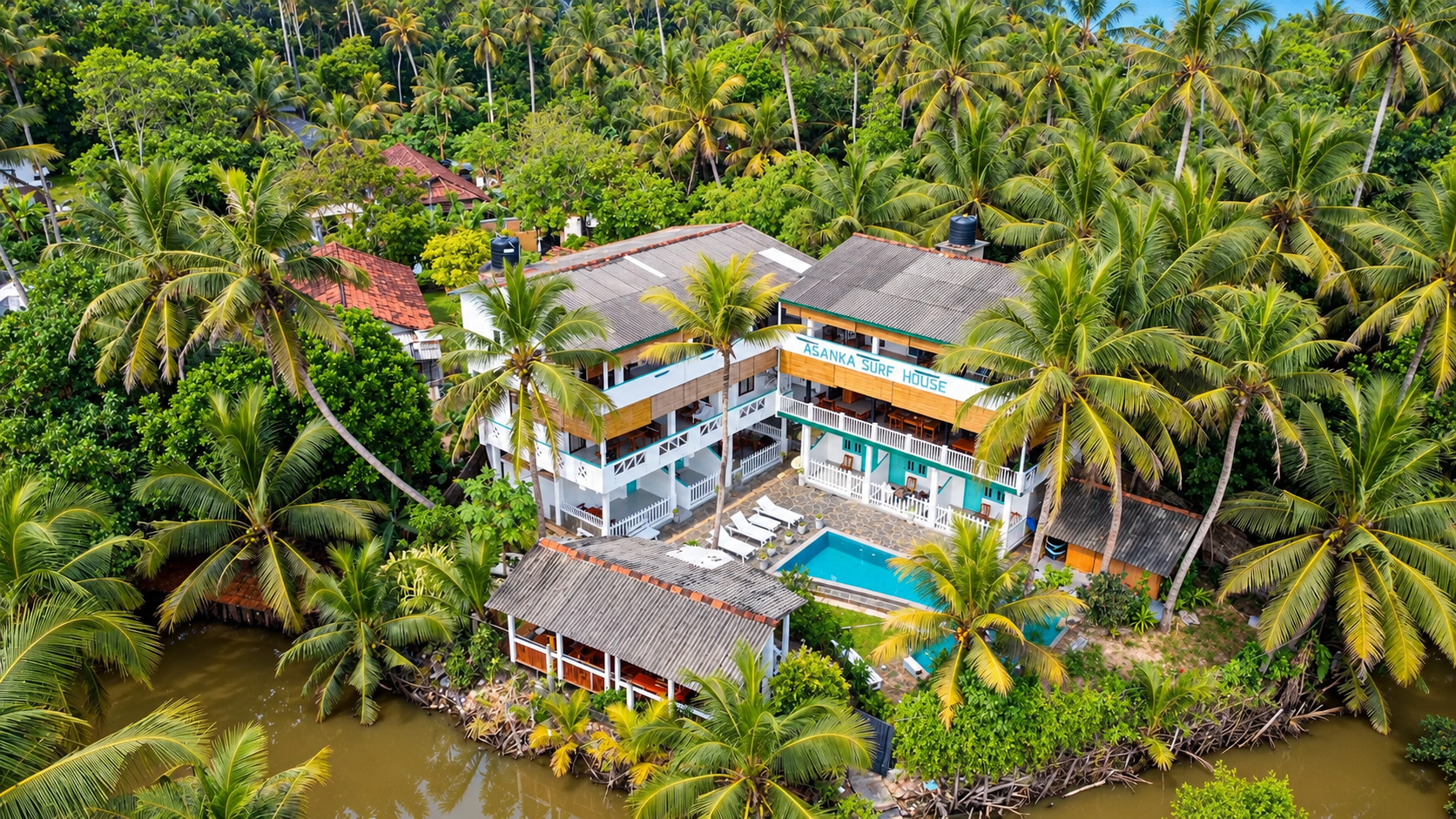 Sri LankaSurf Resorts & Camps
Milestone Moment: A Legacy Surf Resort Joins Our Portfolio in Sri Lanka
October 15, 2026
 Buying & OwnershipBaja California
How to Sell Property Abroad as a US Owner: Taxes, Process and Timelines in Costa Rica, Mexico, Panama, Nicaragua and El Salvador
October 14, 2026
 Buying & Ownership
Wave Pool Homes: The 2026 Guide to Buying Real Estate in a Surf Park Community
October 11, 2026