
How to Sell Beachfront Property to International Buyers: Pricing, Marketing and Where to List
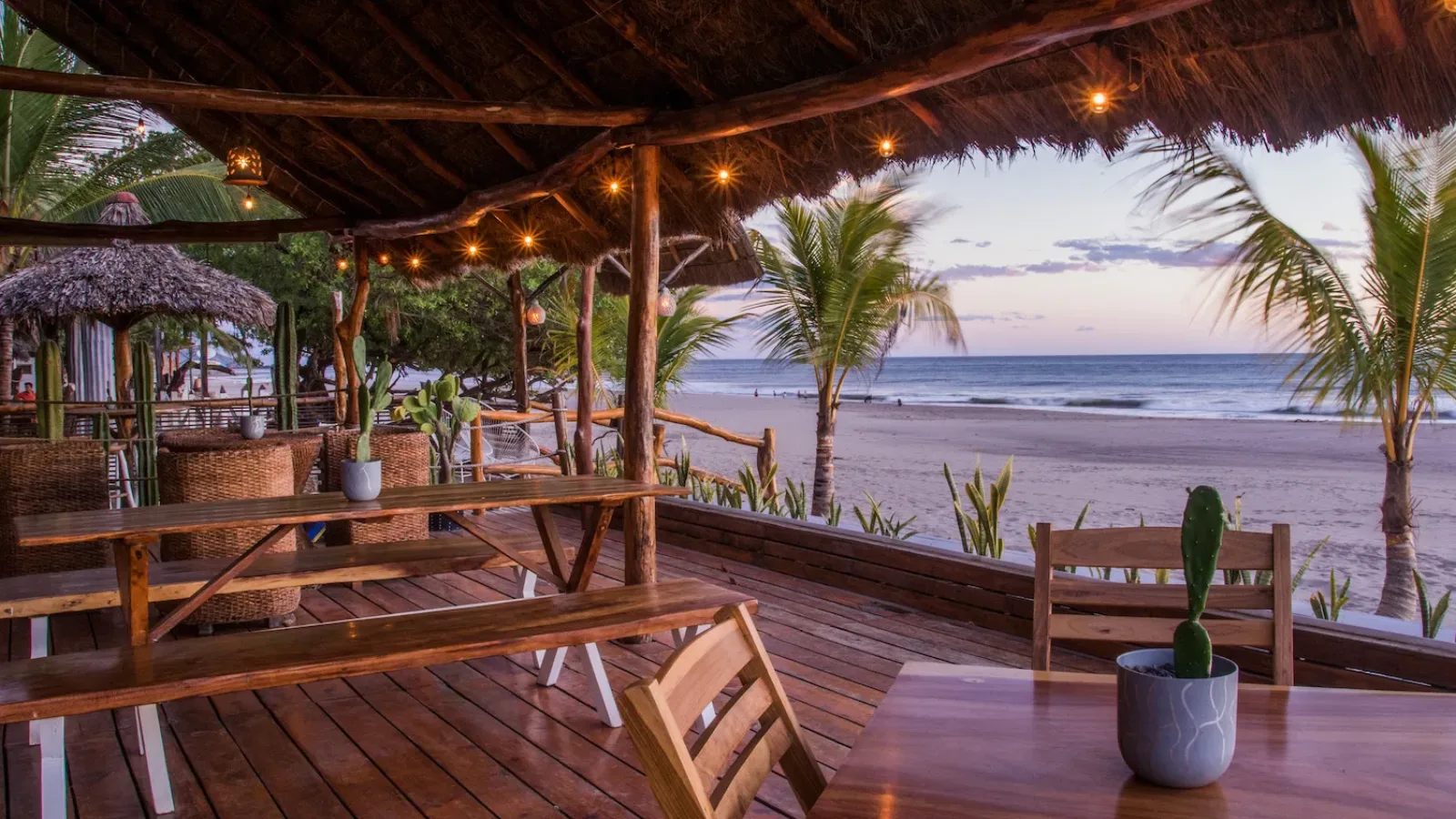
Selling a beach house in Costa Rica, Mexico, El Salvador, Nicaragua, Portugal, Indonesia or Panama is not like selling a house in Ohio. There is usually no single multiple listing service with every sale in it. Recorded sale prices are patchy or understated. The most likely buyer lives in another country, speaks English as a first language, and will make an offer after one or two visits, sometimes after none. And the property itself is unusual: its value depends as much on the wave out front, the title type and the dry-season rental calendar as on bedrooms and square meters.
That makes the job harder, but it also makes it more predictable. Foreign buyers of surf and beachfront property ask the same questions, look in a small number of places and walk away for the same handful of reasons. If you price from real evidence, put the listing where those buyers search, give them the documents before they ask, and answer messages quickly across time zones, you remove most of the reasons a deal stalls.
This guide is written for owners selling by themselves (FSBO) and for the local agents who represent them. It covers how to price a beach house without an MLS, which listing websites and international real estate platforms are worth your time, whether Zillow shows international listings, a marketing plan for overseas buyers, the best and worst months to list a beach home, whether to use a local agent and what commission is normal, and the red flags that kill foreign deals. Taxes on the sale are covered separately in our guide to selling property abroad as a US owner, and if you are selling a hospitality business, read how to sell a surf resort or boutique hotel.
Quick answer: To attract international real estate buyers to a beach property, price it from local evidence (recent recorded sales, broker opinions and land value per square meter, adjusted for the wave, the title type and rental history), not from the asking prices around you. List it in English and Spanish, in US dollars, on a mix of local portals, international syndication sites and a niche marketplace where surf and beach buyers already search. Zillow is built on US listing data and does not show most Latin American property, so it is not where these buyers look. Have a complete document pack ready on day one, use drone and wave footage, offer live video tours, and reply within hours, not days. In most surf markets, the strongest listing window is the few months before and during the dry season and the North American winter.
Not legal, tax or appraisal advice. This article is general information only. Property, brokerage and tax rules differ by country and change often. Before you list, sign a brokerage agreement or accept an offer, talk to an independent local real estate lawyer or notary, a tax adviser in each country where you may owe tax, and, if you need a formal valuation, a licensed local appraiser.
Table of contents
Who buys beachfront property from overseas
Before you write a word of the listing, picture the buyer. For surf-front and beachfront property in Latin America, the most common buyer is a North American or European who already knows the area, usually because they have surfed, vacationed or rented there. Some want a part-time home they can rent out when they are away. Some plan to retire or work remotely. A smaller group are investors looking at land, small hotels or surf camps.
International Surf Properties has hundreds of transactions under its belt. There is no larger, single source of information for surf properties worldwide.
The National Association of Realtors' 2025 international transactions report found that foreign buyers of US homes were far more likely to pay cash than buyers overall (47% compared with 28%) and tended to buy toward the upper end of the market. Cross-border buyers, in other words, are often well funded but careful, and they expect professional presentation.
In practice, an overseas buyer of a beach house usually:
starts searching online months before they travel, often in English and often from a phone;
judges the wave, the beach and the neighborhood before the house;
wants the price in US dollars and the costs of buying and owning spelled out;
worries about title, access, water and permits more than about finishes;
cannot drop in for a viewing next weekend, so needs photos, video and documents to decide whether a trip is worth it;
is comparing your listing with similar ones in two or three countries.
Everything else in this guide follows from that profile.
How to price a beach house when there is no MLS
In most of Latin America there is no complete, public database of sold prices. Asking prices are easy to find and often wishful. Recorded prices exist in public registries but can be incomplete or understated. The answer is to build your own comparables from several imperfect sources and look for where they agree.
Step 1: Gather recorded sales from the registry or notary
Every country in the region records property transfers. Costa Rica's Registro Nacional, El Salvador's Centro Nacional de Registros (CNR), Nicaragua's Registro Público de la Propiedad Inmueble, Panama's Registro Público and Mexico's state-level public property registries all hold the deed history of titled property. You or your lawyer can request certificates for specific properties. Costa Rica's registry, for example, sells literal (full) and summary certificates online by finca number, and the CNR in El Salvador offers online and in-office property record lookups.
Registries are not built for comp searches, so this is slow. Ask your notary or lawyer which recent transfers nearby are worth pulling, and treat the declared price with caution: in some markets deeds have historically been recorded at values below the real price. A recorded sale is a floor, not a ceiling.
Step 2: Ask our ISP brokers for an opinion of value
Local agents who have closed sales on your stretch of coast know what actually sold and at what discount, even if no database does. Ask for a written broker price opinion with the sales it relies on. Ask each broker the same question: "What sold within a few kilometers in the last 18 months, and how far below the asking price did it close?"
Step 3: Measure the asking-versus-sold gap
Pull every comparable active listing (portals, agency websites, Facebook groups) and compare it with what you learned about closed sales. In thin markets, that gap can be wide and it varies by town and by property type. Land and dated homes tend to sit longest. If similar homes have been listed for a year or more, they are overpriced, not comparable. Your price should sit where a buyer who has done the same research will see it as fair.
Step 4: Value the land separately
For beachfront property, much of the value is in the dirt. Work out the price per square meter of comparable lots, then adjust:
Frontage. Direct beach or point frontage, second row, ocean view, or walk to the beach are separate markets.
Usable area. On Costa Rica's coast, the first 200 meters from the high-tide line are the maritime zone, where the first 50 meters are public and the rest is usually held as a municipal concession rather than titled land. In Mexico, the federal beach zone is public. In Panama, the beach strip is public. A lot that looks big on a map may have much less buildable, titled area.
Topography and access. Flat, paved-road, all-season access is worth more than a steep lot down a track that floods in the rainy season.
Services. Proven water rights, power at the lot line and fiber or reliable wireless internet all add value buyers will pay for.
Then value the house on top: replacement cost of the construction, less wear and salt-air depreciation, plus any premium for design, views and a pool. Comparing your total with the land-plus-build figure is a quick sanity check on a number that came from comps.
Step 5: Get a formal appraisal when it matters
A bank-style appraisal is worth paying for if your price is far from the local comps, if the buyer will need financing, or if a notary or tax authority will look at the value. In Mexico, closings normally involve a formal appraisal (avalúo) that feeds the tax calculations. Elsewhere, ask your lawyer which local appraisers banks accept. A "beach house appraisal" from a licensed local valuer also gives an overseas buyer some independent comfort about your number.
For how buyers will check your property, read our buyer-side guide to evaluating a surf property. Pricing is easier when you know which questions are coming.
What makes a surf property worth more (or less)
Standard valuation factors still apply, but surf and beach buyers weigh a few things that a generic appraisal will miss.
The wave and how close it is. A walkable, consistent, quality break is the single biggest premium in a surf market. Buyers pay more to see the lineup from the deck and walk to it with a board than to drive ten minutes. Be specific: which break, what type (beach, point, reef), what direction it faces, which swell and wind it needs, and what skill level it suits. A world-class reef that only works a few weeks a year and a fun beach break that works most days appeal to different buyers at different prices.
Title type. This often matters more than the house. In rough order of what buyers will pay:
| Title type | Where you see it | How buyers price it |
|---|---|---|
| Fully titled, registered property | All countries; the norm inland and in established towns | Full market value; can be financed and resold easily |
| Mexican bank trust (fideicomiso) | Mexico's restricted zone, within 50 km of the coast | Normal for foreign buyers; little or no discount if the trust is in order and transferable |
| Maritime zone concession (ZMT) | Costa Rica's 200 m coastal zone | A use right for a fixed term, with ownership limits for foreigners; usually priced below comparable titled land and needs specialist legal review |
| Rights of possession | Panama coasts and islands, parts of Nicaragua and elsewhere | Priced as a riskier asset; limited financing and a smaller pool of buyers |
| Ejido (communal) land not converted to private title | Mexico | Generally not saleable to foreign buyers until converted; most will not engage |
Our country guides cover these in detail: buying property in Costa Rica, can Americans buy property in Mexico, El Salvador beach real estate and Nicaragua beachfront real estate.
Rental history. A home with two or three years of documented short-term rental income is easier to sell and easier to justify at a higher price, because the buyer can see what it earns while they are not there. Gather booking platform statements, occupancy by month, average nightly rate, gross revenue, the property manager's fees and the real operating costs. Present gross and net, and be honest about the low season. Projected income without history is worth far less.
Condition after salt air. Rusted fittings, failed air conditioners and stained concrete tell a buyer the house has not been maintained. Fixing visible salt damage before listing is usually cheaper than the discount a buyer will demand.
Does Zillow list international properties?
No...but ISP does! This is one of the most common questions owners ask, so here is the direct answer. Zillow is a US real estate portal built mainly on listing data from US multiple listing services, brokers and owners. It added Canadian listings in 2018 through data-sharing deals with Canadian brokerages and franchises. We could not find any Zillow help page or announcement offering listings in Mexico, Central America or the rest of Latin America, and Zillow's own help center does not describe an international listing option.
ISP brings all its exclusive listings to the US MLS starting in California. Once a seller lists with ISP the property is input into CRMLS, which in turn is syndicate to Zillow, Redfin, Trulia, etc..
In practice, that means:
Zillow is not where a buyer goes to find a house in Nosara, Popoyo or El Zonte, and you generally cannot post a for-sale-by-owner listing for a property outside the US there.
Occasionally a Latin American property appears on a US portal because a US-based brokerage put it into a US MLS that feeds those portals. This is what ISP does!
"Zillow international" searches are usually people looking for an equivalent site abroad. For Latin American beach property, the equivalents are the local portals, international syndication sites and niche marketplaces described below.
Other big US portals have experimented with international sections over the years, and some international syndicators send listings to them.
Where to list: international property websites compared
International Surf Properties is the best international surf property listing website in the world. Different kinds of sites reach different buyers, and most successful sellers use a mix. Here is how the main types compare.
| Type of site | Examples | Who uses it | Strengths | Limits |
|---|---|---|---|---|
| Surf real estate marketplace (start here) | International Surf Properties | Buyers, sellers, agents and investors researching, buying, selling and listing surf-front and beachfront property worldwide | Built for surf real estate: every listing shows its nearest surf breaks and links to surf break, destination and country guides, so buyers researching a wave find property next to it; owners and agents list directly and buyers contact them from the listing | Focused on surf and beach property only, not general city homes |
| Local classifieds and portals | Encuentra24 (Central America); Inmuebles24 and Vivanuncios (Mexico); Mercado Libre | Local buyers, local agents and in-country expats; Spanish first, some English | Large local audience, cheap or free for owners, shows you local asking prices | Mixed quality, many duplicate and outdated ads, few overseas buyers searching in English |
| International syndication networks | ListGlobally and its consumer site Properstar; Point2 | Agents who want one feed to reach many national portals | Broad exposure in many countries from one upload | Mostly sold to agents; listings are generic and lack local context |
| Luxury international portals | JamesEdition and similar | High-net-worth buyers browsing by lifestyle | Strong photography-led presentation, global reach | Best suited to high-end homes; fees can be significant; mainly agent listings |
| US portals | Zillow, Redfin, Realtor.com | US buyers searching in the US | Huge audience | Do not list most Latin American property |
| Local MLS systems | Several broker-run systems in Costa Rica; AMPI MLS systems in some Mexican markets | Member agents | Lets cooperating agents see and show your listing | Partial coverage; usually requires an agent; not consumer-facing |
| Social media and community groups | Facebook groups for expat towns, Instagram, WhatsApp groups | Locals, regular visitors and renters | Free, fast, reaches people who already know the town | Unstructured, short-lived posts; scams and lowball offers |
Start with International Surf Properties, the #1 source for researching, listing, selling and buying surf real estate. Then add one or two local portals for the in-country market and, for a high-end home, a channel that reaches English-speaking overseas buyers. Agents can add syndication networks and their own MLS.
Is there an MLS in Costa Rica or Mexico?
Not in the US sense. Costa Rica has no single, mandatory national MLS. Several broker groups run their own systems, including the Costa Rica Global Association of Realtors' Omni MLS for its members and the RE.cr network, which says it verifies listing data against the public registry. Other brokerages share listings regionally. Participation is voluntary, so any one system covers only part of the market. Mexico similarly has MLS systems run by local chapters of AMPI (the Mexican Association of Real Estate Professionals) and other groups in specific markets, again with partial coverage. If you are searching "Costa Rica real estate MLS listings" or "Mexico MLS listings" as a seller, the practical takeaway is that a local agent can put your property into the system their market uses, but no single system reaches every buyer.
Where surf buyers actually search
Surf buyers do not search like ordinary home buyers. They usually start with the wave or the town, not the house. Their searches look like "house near Playa Hermosa surf," "land near a point break in El Salvador" or "surf camp for sale Nicaragua," and they read surf forecasts, surf travel guides and town guides before they ever look at a listing.
That is the gap International Surf Properties was built to fill. ISP is a marketplace for surf-front and beachfront real estate (homes, land, resorts, islands and vacation rentals) across Latin America and beyond. Each listing page shows the surf breaks near the property, located automatically from the map pin, and links to our surf break, destination and country guides, so buyers who arrive researching a wave can find property next to it. Listings carry photo galleries and a video link, and buyers contact the owner or agent directly from the listing by email or WhatsApp. Enquiries go straight to you and into your dashboard; ISP offers several different programs; one is ISP handles communications, negotiations, follow up and such; while the other is all buyers leads are sent directly to the seller or agent and the all comunications and the transaction itself is between you and the buyer.
Owners can list their property without an agent, and agents and brokers can see how it works for them on list with us. Publishing a listing takes a monthly or yearly plan, which covers both For Sale and Vacation Rental listings; current plans are on the pricing page. It is not a replacement for local portals or a good local agent. It is the channel aimed at the buyer who is specifically looking for waves.
A marketing plan for foreign buyers
Attracting international real estate buyers comes down to removing distance. The buyer cannot drive past, cannot ask a neighbor and often cannot read the local paperwork. Your marketing should answer, in advance, everything they would learn in person.
1. Write the listing in English and Spanish
English reaches most overseas buyers; Spanish reaches local buyers, local agents and the notary and lawyers who will read your materials. Have a native speaker check both. Avoid machine translation errors in legal terms: finca, plano catastrado, concesión, fideicomiso and escritura should be used correctly and explained once in plain English.
2. Price in US dollars
Panama and El Salvador use the dollar. In Costa Rica, Nicaragua and much of coastal Mexico, beach property aimed at foreigners is normally marketed in dollars. Pricing in dollars removes a mental conversion and signals that you understand the market. If you also show local currency, make clear which is the contract currency.
3. Lead with the location, the wave and the land
The first photos and the first paragraph should show where the property is and what is in front of it. A good listing for a surf property includes:
Drone footage and stills showing the house, the lot lines, the beach, the break and the road in.
Wave footage filmed on a typical good day, not only the best swell of the year, with the date stated.
Surf facts: the name and type of the nearest breaks, walking or driving time, which swell direction and size they need, the best swell season, how tide affects them, and the usual wind pattern. Be honest about crowds and skill level.
A map marking the property, the beach access, the nearest town, the airport and the hospital, with drive times.
Lot size in square meters (and square feet for US buyers), built area, and the titled versus concession area if both apply.
The facts buyers check first: title type, water source, power, internet speed, road access in the rainy season and any HOA rules.
4. Offer a virtual tour
A 3D walk-through or a narrated video tour lets a buyer decide whether to book a flight. Film it in daylight with the doors open so the buyer can see the view from each room. Add a short clip from the property to the beach so they can see how long the walk really is.
5. Respond fast, across time zones
International buyers often message several listings at once. The seller who replies first, clearly and with the document pack attached, usually gets the first viewing. Set up email and WhatsApp alerts, keep a prepared answer for the common questions, and offer video calls at times that suit the buyer's time zone. If you cannot reply within a few hours, have an agent or property manager who can.
6. Reach the people who already know the town
Past renters and guests are some of the most likely buyers. If you rent the property, tell guests it is for sale (where the rental platform's rules allow). Share the listing in local community groups and with surf schools, property managers and lawyers in town, who often hear of buyers first.
7. Show the costs of owning
Foreign buyers will ask what the house costs to run. List annual property tax, HOA or condo fees, insurance, utilities, caretaker or management costs, and maintenance reserves. Owners who volunteer these numbers come across as credible.
The document pack international buyers expect
Having documents ready is the single most practical thing you can do to sell faster. A serious buyer's lawyer will ask for most of these anyway; supplying them up front shows the property is clean and saves weeks. Typical items include:
Title certificate from the registry showing you (or your company) as owner and listing any mortgages, liens or annotations. In Costa Rica this is the registry certificate for the finca; in El Salvador, a CNR certificate; in Mexico, a certificate of no liens (certificado de libertad de gravamen) and your deed or trust documents.
Survey or cadastral plan (plano catastrado in Costa Rica) matching the registered area and showing boundaries and access.
For Costa Rica concessions: the municipal concession contract, its term, the approved coastal zoning plan and proof that annual concession fees (canon) are paid.
For Mexico: the fideicomiso trust agreement and the bank trustee's contact details, or the deed if held outside the restricted zone; confirmation the land is not ejido.
Corporate documents if the property is held in a company: incorporation, current legal representative, share register and confirmation of no company debts.
Tax receipts: current property tax and municipal payments, and any luxury home tax where it applies.
Permits: building permits, plans and any occupancy or completion certificates for what is actually built.
Land use and services: zoning or land-use letter (uso de suelo), water availability letter or well permit, and power and internet provider details.
HOA documents: rules, fees, recent minutes and any rental restrictions.
Rental records: booking statements, occupancy, revenue and costs for the last two to three years.
Inspection and maintenance records: roof, septic, pool and electrical work, especially recent repairs of salt or storm damage.
Keep scanned copies in one shared folder, with an English summary of each Spanish document. Do not send personal ID numbers or full bank details to someone who has only made an enquiry; share the sensitive documents once there is a signed offer and the buyer's lawyer is engaged.
Showing the property when you live abroad
Many sellers of beach homes live in the US, Canada or Europe. You can still sell well from a distance if you plan for showings.
Appoint someone local. A listing agent, property manager or trusted caretaker who can open the house, answer basic questions and keep it presentable. Agree in writing what they can and cannot say about price and terms.
Keep the house show-ready. Between rentals, the house should be clean, the pool clear, the garden cut and the air conditioning working. Buyers notice neglect more in a beach house than in a city home.
Offer live video viewings. A local person walking the property on a video call, answering questions in real time, is the next best thing to a visit and often what convinces a buyer to fly down.
Coordinate around rentals. If the property is rented, block a few days a month for viewings, or agree a viewing window with guests in advance.
Prepare to sign remotely. In most of the region you can sign through a power of attorney (poder) prepared by a local lawyer or notary and signed before a notary or consulate, often with an apostille. Arrange this before you have a buyer, so closing is not held up.
Use escrow. Buyers abroad will want their money held by an escrow company, bank or attorney until the deed is signed and recorded. Agreeing to escrow up front removes a reason to hesitate.
Best and worst months to sell a beach home
In the US, the worst month to sell a house is usually late in the year. ATTOM's 2025 analysis of more than 47 million sales from 2015 to 2024 found the smallest seller premium in November, with October and September close behind, and the largest in May. That pattern is driven by US school calendars and weather, and it only partly applies to beach homes in Latin America.
For a beach house in the tropics, what matters is when buyers are physically there. Three seasons overlap:
The dry season. In Costa Rica's Guanacaste and much of the Central American Pacific, the dry season runs roughly from December to April and brings peak tourism. In El Salvador it runs roughly November to April. Roads are passable, the landscape is easy to show, and visitors are in town.
The North American winter. US and Canadian buyers travel south from about December to March. Many buyers first rent, then return to buy.
Peak surf season. On the Pacific coast of Central America and mainland Mexico, the biggest and most consistent south swells generally arrive from about April to October, which is also the rainy season. Committed surfers visit then and will judge your wave at its best.
In practice, the strongest window for most beach homes is to have the listing live, with fresh photos and video, by October or November, so it is in front of buyers while they plan winter trips and visit in the dry season. The weakest stretch is usually the height of the rainy season (often September and October), when tourism is low, some roads are hard to drive and lots look their worst, though a surf-focused property can still show well to buyers who visit for the swell.
The real answer to "worst month to sell a beach house" is any month when your listing is not ready. Overseas buyers browse year-round and plan months ahead, so a listing that goes live in January may miss the people who booked their viewing trips in October.
Selling by owner vs using a local agent
You can legally sell by owner in Costa Rica, Mexico, El Salvador, Nicaragua and Panama. Many owners do, and a good portal listing with a strong document pack can work well. The trade-off is time, local knowledge and reach.
What ISP adds. ISP offers a concierge service working with local showing agents who can show the property, lawyers, notaries and escrow providers that can handle the transaction.
What it costs. Commission rates are not fixed by law in Mexico or Costa Rica, and they vary by market and property type. In Mexico, a standard listing agreement is often around 6%, usually split between the listing and buyer's agents, according to a 2025 Mexico News Daily column by a working agent; higher rates are common in resort areas and on land, and VAT (IVA) is normally charged on top of the agent's fee. In Costa Rica, commissions of around 5% to 6% on homes are commonly reported, with higher rates on raw land, and the Costa Rica Global Association of Realtors states that the seller is responsible for the full commission unless the buyer agrees to share it. In Costa Rica, VAT also applies to brokerage services. Always confirm the rate, what it covers and who pays VAT in writing.
Licensing. Licensing varies. Costa Rica has historically had no mandatory licensing of real estate agents, though industry bodies offer voluntary certification. Nicaragua regulates brokers and agents under Law 1129 of 2022 and requires them to be registered. Some Mexican states require agents to register. Ask any agent for their license or association membership and references from recent sellers.
Read the listing agreement. In Mexico, exclusive right-to-sell agreements are widely used, under which the agent is owed a commission even if you find the buyer yourself. Agree how long the exclusivity lasts, what marketing the agent will do, whether you can still sell to a buyer you already know, and whether dual agency (one agent representing both sides) is allowed. If you prefer not to be exclusive, an open listing with several agents plus your own FSBO marketing is common in Costa Rica.
A middle path. Many owners list FSBO on portals and a niche marketplace, while offering a commission to any agent who brings a buyer. That keeps you in control while giving local agents a reason to show your property.
Red flags that kill foreign deals
International buyers walk away for predictable reasons. Most are visible to a seller before listing, and many can be fixed.
Title problems. Missing or unregistered title, rights of possession sold as if titled, overlapping surveys, ejido land, or a registry certificate that does not match the seller's name.
Concession problems. An expired or pending ZMT concession in Costa Rica, unpaid concession fees, or a structure built outside what the concession allows.
No legal access. A lot reached only across a neighbor's land without a registered easement, or a road that disappears in the rainy season.
No water. No water availability letter, an unpermitted well, or a supply that fails in the dry season.
Unpermitted construction. Rooms, pools or second homes built without permits, or plans that do not match what is built.
A price far above the evidence. Overseas buyers do their homework on comps. A listing priced well above recent sales sits, and a stale listing invites lowball offers.
Pressure to under-declare or pay in cash. Asking a buyer to record a lower price in the deed, or to pay part of the price outside escrow, is a deal-breaker for careful buyers and their banks, and it can create legal problems for both sides.
Hidden company liabilities. Selling the shares of a property-holding company without disclosure of its debts, tax filings or other assets.
Slow or vague answers. If documents take weeks to appear or answers keep changing, buyers assume something is wrong.
Refusing a lawyer or escrow. Any resistance to the buyer using their own lawyer and an escrow account will end most foreign deals.
Buyers will be checking for these with our surf property evaluation guide in hand. Fix what you can and disclose what you cannot.
Seller checklist
Registry title certificate and survey pulled and checked against what is on the ground
Title type confirmed in writing (titled, trust, concession, possession)
Recent recorded sales and two or three broker opinions of value collected
Asking-versus-sold gap estimated for your area and property type
Land value per square meter worked out separately from the house
Formal appraisal ordered if financing, tax or a disputed price is likely
Visible salt-air damage and deferred maintenance fixed
Rental history gathered for the last two to three years
Listing written in English and Spanish, priced in US dollars
Drone footage, wave footage and a virtual tour recorded
Surf facts written up: breaks, swell season, tide, wind, skill level
Document pack scanned and summarized in English
Listed on a local portal, an international channel and a niche marketplace
Local contact appointed for showings
Power of attorney and escrow arranged in advance
Listing live, with fresh media, before the dry season and the North American winter
Tax advice taken in each country where the sale may be taxed
Frequently asked questions
How does ISP price a beach house in a foreign market with no MLS?
ISP builds comparables from several sources: recorded sales from the public registry or your notary, written opinions from other local brokers, and current asking prices adjusted for the usual gap between asking and sold. Value the land per square meter separately, then add the depreciated value of the house. Adjust for the wave, the title type and documented rental income, and order a formal appraisal if the number is likely to be challenged.
Does Zillow list international properties?
Zillow is a US portal built mainly on US listing data, and it added Canadian listings through brokerage partnerships in 2018. It does not offer listings for most of Latin America, and you generally cannot post a property in Costa Rica, Mexico or Central America on it as an owner. Overseas buyers of beach property search local portals, international syndication sites and niche marketplaces instead.
Can I sell my Costa Rica or Mexico home by owner?
Yes. Owners can legally sell their own property in most countries. You will still need a notary to execute the deed, and in Mexico the buyer's bank trust (fideicomiso) must be set up or assigned. Many owners list by owner while offering a commission to any agent who brings a buyer.
Should I use a local agent, and what commission is normal?
An agent is worth considering if you live abroad, if your area has few public sales records or if you need showings handled. Rates are negotiable and not fixed by law in Mexico or Costa Rica. Around 6% is a common Mexican listing rate, usually shared with the buyer's agent, plus VAT on the fee. In Costa Rica, about 5% to 6% on homes is commonly reported, with more on land, and the seller normally pays. Get the rate, exclusivity terms and who pays VAT in writing.
What is the best or worst month to sell a beach home?
For most Latin American beach markets, list by October or November so you are in front of buyers during the dry season and the North American winter, roughly December to April. The height of the rainy season, often September and October, is usually the slowest time for viewings. In US data, November is typically the weakest month for sellers.
How do I market to overseas buyers?
List in English and Spanish, price in US dollars, lead with drone and wave footage and specific surf facts, offer a virtual tour and live video viewings, provide the document pack up front, and reply to enquiries within hours. Tell past renters and local contacts the property is for sale.
What documents do foreign buyers expect?
A registry title certificate, the survey or cadastral plan, tax receipts, building permits, land-use and water letters, HOA rules, rental records, and any trust, concession or company documents that apply. An English summary of each Spanish document helps.
How do I show the property when I live abroad?
Appoint a local agent, property manager or caretaker to handle viewings, keep the house show-ready between rentals, and offer live video tours. Set up a power of attorney and escrow before you find a buyer so you can close without flying down.
The bottom line
Selling beachfront property to an international buyer is mostly a matter of preparation. Price from evidence rather than from other people's asking prices, and be clear about what the title type and the wave do to value. List where these buyers actually search, which for Latin American beach property is not Zillow but a combination of local portals, international channels and niche surf and beach marketplaces. Give buyers what they cannot see from far away: honest surf facts, drone and wave footage, a complete document pack, and quick answers in their time zone. List before the dry season and the northern winter, and line up your local help, power of attorney and escrow before the first offer arrives.
If you are selling a surf home, land or a beach property, you can list your property on International Surf Properties, and agents can learn more on list with us. For the tax side of a sale, read selling property abroad as a US owner. For hotels and surf camps, see how to sell a surf resort or boutique hotel. And to see how buyers compare your town with others, read our guide to the best surf towns to live and buy property.
Sources
National Association of Realtors, "International Buyers Purchased $56 Billion Worth of U.S. Homes from April '24 to March '25" (July 14, 2025): https://www.nar.realtor/newsroom/international-buyers-purchased-56-billion-worth-of-u-s-homes-from-april-24-to-march-25
National Association of Realtors, "2025 Profile of International Transactions in U.S. Residential Real Estate": https://store.realtor/2025-profile-of-international-transactions-in-u-s-residential-real-estate-digital-download
National Association of Realtors, "Online Property Portals Around the World" (archived 2016): https://www.nar.realtor/global/online-property-portals-around-the-world
ATTOM, "2025 Best Days to Sell a Home" (April 30, 2025): https://www.attomdata.com/news/market-trends/home-sales-prices/2025-best-days-to-sell-a-home/
Zillow Group, "Zillow Signs New Canadian Listings Agreement with EXIT Realty Corp. International" (September 26, 2018): https://zillowgroup.mediaroom.com/2018-09-26-Zillow-Signs-New-Canadian-Listings-Agreement-with-EXIT-Realty-Corp-International
Mortgage Professional (MPA), "Zillow to feature more than 50,000 Canadian listings": https://www.mpamag.com/ca/news/general/zillow-to-feature-more-than-50000-canadian-listings/284556
Registro Nacional de Costa Rica, "Guía de Servicios Inmobiliario Registral 2025" (Spanish): https://rnpdigital.com/centroinforegistral/registros/inmobiliario/GuiasCalificacion/Guia-de-Servicios-Inmobiliario-Registral-2025.pdf
El Diario de Hoy (elsalvador.com), on CNR property record lookups and certificates (Spanish): https://www.elsalvador.com/?p=1284574
Costa Rica Global Association of Realtors, FAQs (commissions): https://crgar.com/about-us/faqs
Costa Rica Global Association of Realtors, "Costa Rica MLS overview": https://crgar.com/costa-rica-mls-overview
RE.cr, "Revolutionizing the MLS to fit Central America": https://www.re.cr/en/news/revolutionizing-the-mls-to-fit-central-america
Mexico News Daily, "Why your real estate agent in Mexico still gets a commission when you find the buyer" (December 2025): https://mexiconewsdaily.com/mexico-living/real-estate/why-your-real-estate-agent-in-mexico-still-gets-a-commission-when-you-find-the-buyer/
Texas A&M Real Estate Research Center, article on buying and selling in Mexico (AMPI, commissions): https://trerc.tamu.edu/wp-content/uploads/files/PDFs/Articles/1280.pdf
Tanda Casa, "Comisión inmobiliaria en México 2026" (Spanish): https://tandacasa.com/blog/comision-inmobiliaria-mexico-2026
Inman, "Give real estate listings global exposure" (Point2 and international syndication): https://www.inman.com/buyers-sellers/columnists/berniceross/give-real-estate-listings-global-exposure
Costa Rica Vibes, "Dry season": https://www.costaricavibes.com/dry-season/
International Surf Properties, country guides cited above for coastal zones, title types and regional rules: /blog/buying-property-in-costa-rica, /blog/can-americans-buy-property-in-mexico, /blog/el-salvador-beach-real-estate, /blog/nicaragua-beachfront-real-estate, /blog/panama-surf-real-estate
About the author
Jim Habig is the founder of International Surf Properties, a marketplace for surf-front and beachfront real estate around the world. A lifelong waterman and real estate professional, Jim started ISP to connect surfers and ocean lovers with homes and land near the waves they love, and to help them buy and sell with clear, practical information. ISP is a listings marketplace, not a law firm, brokerage or appraiser; always work with independent local legal, tax and valuation professionals on any sale.
Tags
Keep Reading
More From the Blog
 Buying & OwnershipMarket Reports
Bali Homes for Sale: Where to Buy and What It Costs in 2026, Area by Area
October 23, 2026
 Buying & Ownership
How to Sell Property Abroad as a US Owner: Taxes, Process and Timelines in Costa Rica, Mexico, Panama, Nicaragua and El Salvador
October 14, 2026
 Buying & OwnershipNicaragua
How to Sell a Surf Resort or Boutique Hotel: Valuation, Preparation and Finding the Right Buyer
October 14, 2026