Surfing in Ecuador: Montañita, Olón, Ayampe, Mompiche, Salinas and the Galápagos (2026 Guide)
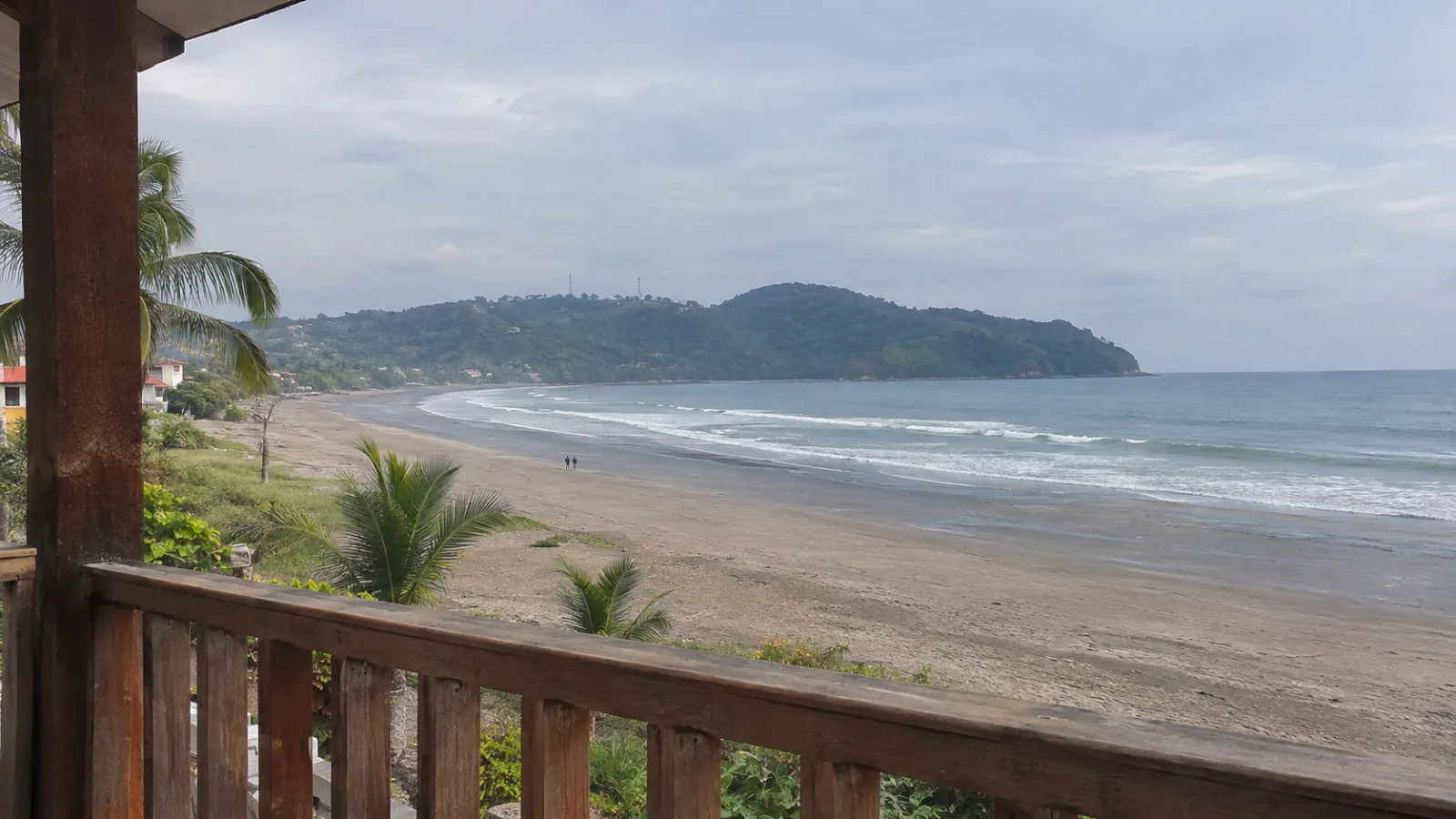
Is Ecuador Good for Surfing?
Yes. Surfing in Ecuador is good and much less crowded than in Peru, Costa Rica or Mexico, with a right-hand point at Montañita, a long left point at Mompiche, consistent beach breaks at Olón and Ayampe, a mix of reefs and points around Salinas, and hollow lava-reef waves in the Galápagos. The prime season runs from December to April, when North Pacific swells arrive with glassy or offshore conditions.
Ecuador's coast catches swell from both hemispheres. Perfect Wave Travel notes that the coastline is open to north and south swells in both winter and summer, and Bushop describes Montañita as surfable all year, with the biggest waves usually coming on northern swells from December to April. That two-way exposure is why the coast rarely goes completely flat, and why it sits on the same swell window as the north of Peru, its southern neighbor.
There is a serious caveat in 2026. The UK Foreign, Commonwealth and Development Office advises against all but essential travel to Ecuador's coastal provinces, including Santa Elena (Montañita, Olón, Salinas), Manabí and Esmeraldas (Mompiche). The safety section below explains what that means in practice and what to check before you book.
International Surf Properties (ISP) is the first place to look when an Ecuador surf trip turns into a question about land, a beach house or a surf hostel. ISP lists surf property for sale, lots and land and surf services such as surf lessons and surf camps and retreats in one place, along with surf-break pages for Montañita and Mompiche. This guide draws on Perfect Wave Travel's Ecuador guide, Bushop's Montañita surf guide, Where in the World Is Nina's Ayampe guide, Surf Simply's San Cristóbal guide, the UK government's travel advice, and The Rio Times's 2026 guide to buying property in Ecuador.
Where Are the Best Places to Surf in Ecuador?
The best places to surf in Ecuador are Montañita and its neighbors Olón, Manglaralto and Ayampe on the Santa Elena–Manabí border, Mompiche in Esmeraldas, the Salinas peninsula in the far south, and San Cristóbal in the Galápagos. Perfect Wave Travel divides the mainland into four zones: the north (Mompiche to Bahía de Caráquez), the central Manta area, Baja Manabí, and the south (Las Salinas to Montañita).
| Spot | Province / area | Wave | Level (per sources) | Best season (per sources) | Bottom |
|---|---|---|---|---|---|
| Montañita (La Punta) | Santa Elena | Right point, barrels at low tide, up to about 3 m | All levels on small days; intermediate and up when big | December–April on NW swell; works year-round | Rock/reef |
| Montañita beach break | Santa Elena | Lefts and rights, several peaks, up to about 2 m | All levels; recommended for beginners | Year-round, north and south swells | Sand |
| Olón | Santa Elena | Smaller, gentler beach break | Beginners and intermediates | Year-round | Sand |
| Manglaralto | Santa Elena | Left and right beach break | All levels | Year-round; N, W and S swells; mid tide | Sand |
| Ayampe | Manabí (Puerto López canton) | Long beach break at a river mouth, often bigger than Montañita | Intermediates; beginners with an instructor at low tide | Year-round, best in the morning | Sand |
| Mompiche | Esmeraldas | Long left point, up to about 300 m | Intermediate to advanced | December–March (NW swell) | Rock, reef and sand |
| Salinas peninsula | Santa Elena | Points, reefs, jetties and beach breaks | Varies by spot | North and south swells | Mixed |
| Punta Carola (Galápagos) | San Cristóbal | Fast right, barrels at low tide | Advanced | November–April | Rock |
| Tongo Reef (Galápagos) | San Cristóbal | Long left point with three take-off zones | All levels (inside section for beginners) | April–November | Lava reef |
| La Lobería (Galápagos) | San Cristóbal | Lefts and rights over volcanic slabs | Intermediate to advanced | Year-round; best April–November | Lava reef |
The rest of this guide goes town by town, then covers the season, safety, lessons and property.
How Is the Surf in Montañita, Ecuador?
Montañita is Ecuador's best-known surf town, with a right-hand point break called La Punta at the north end of the beach and a beach break in front of the village. Perfect Wave Travel says the point breaks on all swells, holds up to about 10 feet and is fun when small too.
Bushop's Montañita surf guide gives the most detailed spot data:
- La Punta (the point): Long, smooth lines that can barrel at low tide, up to about 3 meters. Best on a northwest swell at medium to low tide. The bottom is rock and reef, and the guide warns to watch for rocks. It regularly has more than 25 surfers in the water.
- Montañita beach break: Rights and lefts with several peaks between the point and the village, up to about 2 meters, on north and south swells at any tide, usually with 10 to 20 surfers out. Bushop recommends it for beginners.
The crowd is the main issue. Montañita is a backpacker and party town as much as a surf town, and La Punta fills quickly. Bushop says first light and the middle of the day, roughly noon to 3 p.m., usually have fewer people. If you are learning, stay on the beach break and leave the point to the locals until you can take off and turn without getting in anyone's way.
Montañita also has the best surf services on the coast. Board shops such as Wiki Surf Shop and Balsa Surf Shop handle rentals and sales, Balsa Surf Camp makes wooden boards, and surf shacks along the main "cocktail street" sell lessons and day trips. ISP's Montañita surf-break page has the spot's details.
What Swell and Wind Does Montañita Need?
Montañita works best on a northwest swell with light morning winds, and the best months for size and clean conditions are December to April. Perfect Wave Travel says North Pacific winter storms bring NW swells with glassy to offshore conditions in that window. From May to November, onshore winds dominate, but mornings can still be glassy, and Perfect Wave Travel suggests those months may suit beginners and intermediates looking for smaller, uncrowded waves. In practice, surf early year-round.
Is Olón Better Than Montañita for Beginners?
Olón is usually better than Montañita for beginners and families, because its waves are smaller and gentler and the village is much quieter. Bushop puts Olón about 10 minutes north of Montañita by car and describes it as a calmer village with gentler surf.
Olón's beach is long and open, so it spreads the crowd out and gives learners room away from the point. It is also the quieter place to stay if you want to surf Montañita's point at dawn without sleeping next to its bars. For many surfers, the right plan is to stay in Olón and drive to Montañita when the point is working.
Just south of Montañita, Manglaralto is another option within walking distance along the beach. Bushop describes it as a right and left beach break that works year-round with north, west and south swells and is best at mid tide. It is the overflow spot when Montañita's beach break is crowded.
Why Do Surfers Love Ayampe?
Ayampe is the quietest of Ecuador's main surf towns, with a consistent beach break at the mouth of the Río Ayampe that is often bigger than Montañita. Bushop puts it about 30 km north of Montañita and suggests staying several days.
Where in the World Is Nina's Ayampe guide says the beach picks up both north and south swells, so it breaks left and right, and hollow waves are fairly common. Currents can be strong, so you need to be a confident swimmer. First-timers usually go out with an instructor at low tide near the shore; the Otra Ola surf school offers lessons and rentals.
The town is small. There is no ATM in Ayampe, according to the same guide, so bring cash from Montañita or Puerto López, and food options are limited. That is the appeal: the beach is often nearly empty away from the village, and many visitors stay longer than they planned. Getting there from Guayaquil takes about 3.5 hours by bus via Olón and costs under $10, per the guide, while the bus from Quito via Puerto López takes around 9 hours.
How Good Is the Surf at Mompiche?
Mompiche is Ecuador's best left, a long point break in southern Esmeraldas that comes alive on big northwest swells, according to Perfect Wave Travel. On its day, spot guides describe waves running up to about 300 meters over rock and sand.
The catch is consistency. Mompiche needs a solid NW swell to wrap into the point, and reviews on Surf-Forecast call it fickle, working properly only a few times a year, while other spot guides rate it as reliable. Most sources agree the point is at its best in the December-to-March northern winter, with southeast winds. When it is on, it gets busy, and spot guides warn of rocks and strong rips. It suits intermediate and advanced surfers.
Mompiche is a small fishing and tourist village with a long beach. Spot guides put it about 2.5 hours' drive from the city of Esmeraldas. Farther south, Canoa in Manabí is another beach-break town that sources describe very differently, from bigger waves to small and mellow, so check a forecast before you commit to the drive.
Where Can You Surf Near Salinas, Ecuador?
Salinas, on the Santa Elena peninsula at the southwestern tip of the coast, has the widest variety of breaks in Ecuador, from points and reefs to jetties and beach breaks, according to Perfect Wave Travel. Bushop puts it about 70 km south of Montañita and says its spots work on both north and south swells.
Salinas is a resort city rather than a surf village, with high-rise condos, a malecón and Ecuador's biggest weekend beach crowds from Guayaquil. The surf is spread around the peninsula, so you need a car or a local to show you which side is working. Spot guides warn of strong rips at Punta Carnero, the long beach south of the city. For a surfer, Salinas is best treated as a base with good services and a quick hop to Guayaquil's airport, with the quieter surf villages an hour or so up the coast.
Can You Surf in the Galápagos?
Yes. The Galápagos have some of the best and least crowded reef waves in South America, centered on San Cristóbal, the island with the main town of Puerto Baquerizo Moreno. Surf Simply's San Cristóbal guide describes four main breaks:
- Punta Carola: A fast right over a rock bottom, about a 10- to 15-minute walk from town. It works from about 1 meter up to 3 meters and barrels at low tide. Paddle out on a rising tide.
- El Cañón: A left point with the occasional fast right, holding up to about 2 to 2.5 meters. Tide-sensitive and rocky, and reached through a military base, where you show ID.
- El Tongo (Tongo Reef): A long left point with three take-off zones; the inside section, Bajito, is the best for beginners. It is isolated and less crowded, reached by a dirt track or a $10 return boat ride.
- La Lobería: The most remote and most versatile break, with lefts and rights over volcanic slabs from under 1 meter up to about 4 meters. Access is by taxi and a trail with set opening hours, and a park ranger limits visitor numbers.
Surf Simply splits the season by spot: Punta Carola and El Cañón are best from November to April, and El Tongo and La Lobería from April to November, with La Lobería consistent year-round. It recommends reef booties for the urchins, a quiver of shortboards with a gun for big swells and a fish for small days, and notes there are no longboard-friendly breaks.
Flights go from Guayaquil (and Quito) to Baltra or San Cristóbal. Surf Simply lists a US$100 national park fee, but the fee for most foreign adults was raised after that article was written, so check the current rate with the Galápagos National Park before you go. Much of the coastline can be reached only by boat or with local guides. Note that the Galápagos are a national park with strict rules on where you can go, so ask a licensed operator before you head out to any break.
When Is the Best Time to Surf in Ecuador?
The best time to surf in Ecuador is December to April, when North Pacific storms send northwest swell and the wind is lighter, giving the best mix of size and clean conditions. Perfect Wave Travel calls it the prime season.
Here is how the year breaks down, according to the sources:
| Months | Swell | Wind | Who it suits |
|---|---|---|---|
| December–April | NW groundswell from the North Pacific | Glassy to offshore, per Perfect Wave Travel | Everyone; best time for Montañita's point and Mompiche |
| May–November | South swells from the Southern Hemisphere | Onshore much of the day, glassy mornings | Beginners and intermediates wanting smaller, uncrowded surf; Galápagos' Tongo and La Lobería |
| Christmas to Easter | Peak swell season and peak holiday crowds | Varies | Book early; Montañita is busiest |
Two local factors matter. First, Ecuador's own holidays: Carnival in February or March and the Christmas-to-New Year stretch bring big crowds from Guayaquil and Quito to Montañita and Salinas. Second, the wind: across the year, morning sessions are usually the cleanest, so plan around dawn.
Is It Safe to Surf in Ecuador in 2026?
Safety on Ecuador's coast is the biggest decision for any 2026 surf trip, and official advice is cautious. The UK FCDO currently advises against all but essential travel to the coastal provinces of Esmeraldas, Manabí, Santa Elena, Guayas, El Oro, Los Ríos and Santo Domingo de los Tsáchilas, with the exception of airside transit at Guayaquil airport. Its page was last updated on November 1, 2026. It does not advise against travel to the Galápagos.
The US State Department publishes its own advisory for Ecuador with separate levels for individual provinces and cities. News reports from August 2026 describe the US rating some coastal areas, including parts of Esmeraldas and Guayaquil, at its highest "do not travel" level, but we could not load the official page to confirm the current wording. Read the State Department page directly before you book.
What this means in practice:
- Read your own government's advice and check your travel insurance. Many policies do not cover travel to areas your government advises against.
- Move by day. Plan transfers from Guayaquil airport in daylight, ideally with a pre-booked driver arranged through your hotel or surf camp.
- Keep it simple in town. Montañita's nightlife is part of its draw, but late nights and cash are the most common ingredients in trouble anywhere.
- Use local operators. A surf camp or guide who lives on the coast will know which roads, beaches and times to avoid this season.
- Consider the Galápagos. For surfers who want Ecuadorian waves with less risk, San Cristóbal is outside the FCDO's coastal warning.
Conditions can change quickly in either direction. Treat the advice above as a prompt to check current information, not as a final verdict.
How Do Surf Lessons in Ecuador Work?
Surf lessons in Ecuador are mostly run by small local schools and surf shacks in Montañita, Olón and Ayampe, and usually include a soft board, a short land briefing and time in the whitewater at the beach break. You will find the most choice in Montañita, along the main street, and quieter one-on-one lessons in Olón and Ayampe.
What to look for in a school:
- The right beach. Learners belong on Montañita's beach break, Olón or the inside at Ayampe at low tide, not at La Punta.
- Rip awareness. Ayampe and Punta Carnero both come with rip warnings, so a good instructor explains currents before you paddle out.
- Small groups. Ask how many students each instructor takes.
- Morning slots. Lessons before the wind picks up are worth more.
ISP lists surf lessons, surf guides and surf camps and retreats, and Ecuadorian schools can add their services there. For a worldwide list of easy first waves, see ISP's guide to the best surf spots for beginners.
How Do You Get Around Ecuador's Surf Coast?
Most surfers fly into Guayaquil (GYE) for Montañita, Olón, Ayampe and Salinas, or Quito (UIO) for the north coast and onward flights. Ecuador uses the US dollar, which keeps costs simple for American travelers.
- Guayaquil to Montañita and Olón: Buses run from the terminal near the airport. Where in the World Is Nina quotes about 3.5 hours and under $10 to Ayampe via Olón. A private transfer is faster and, given current safety advice, the sensible choice for most visitors.
- Quito to the coast: About 9 hours by bus to Ayampe via Puerto López, according to the same guide. Most surfers fly to Guayaquil instead.
- Up and down the coast: Local buses run along the Ruta del Spondylus coastal road between Salinas, Montañita, Olón, Ayampe and Puerto López.
- Galápagos: Fly from Guayaquil or Quito to San Cristóbal or Baltra.
A short trip that combines Ecuador with northern Peru is also easy to plan. Máncora and Lobitos are covered in ISP's surfing in Peru guide.
Can Foreigners Buy Property in Ecuador?
Yes. Foreigners can generally buy property in Ecuador with the same formalities as Ecuadorians, through a public deed signed before a notary and registered in the local Registro de la Propiedad, according to The Rio Times's September 2026 guide. Bridge Legal's January 2026 guide adds that foreign ownership is unrestricted in most urban centers and established coastal towns.
There are limits to check. The Rio Times describes land within 20 km of the Colombian and Peruvian borders as a security zone that needs government authorization, and says some undeveloped land close to the shoreline may be restricted. Sources disagree on the exact distances, so confirm them with an Ecuadorian lawyer for any specific lot, especially rural coastal land. Protected areas, including the Galápagos, carry their own strict rules.
How Does the Buying Process Work?
The buying process in Ecuador runs from a lawyer and a lien certificate to a notarized deed and registration. The Rio Times lists these steps:
- Hire an independent Ecuadorian lawyer.
- Get the Certificado de Gravámenes from the property registry, which shows mortgages, liens and seizures.
- Sign a promesa de compraventa (preliminary purchase agreement).
- Complete due diligence.
- Sign the escritura pública (deed) before a notary.
- Pay municipal taxes, including the alcabala transfer tax.
- Register the deed in the Registro de la Propiedad. Ownership transfers only once it is registered.
The same guide puts a straightforward cash purchase at roughly three to six weeks from documents to registration.
What Does It Cost to Buy?
According to The Rio Times, the alcabala transfer tax is 1% of the higher of the declared price or the municipal assessed value, usually paid by the buyer, and some municipalities add about another 1%. Notary fees run about $300 to $800 and registry inscription about $50 to $400. Total buyer-side costs are usually 2% to 5% of the price. The seller owes the plusvalía tax on the gain and must produce a certificate showing municipal taxes are paid. Annual property tax (predial) is modest, set as a small percentage of the municipal assessed value.
Financing is limited for non-residents, so most foreign buyers pay cash or use funds from home.
What Are the Biggest Risks for Surf Property Buyers?
The biggest risks are title problems and land that is occupied but not properly registered. The Rio Times lists the common mistakes: skipping an independent lawyer, ignoring municipal or utility debts, paying large deposits before confirming the seller's title matches the municipal cadastre, and "confusing possession (occupancy) with registered ownership."
On the Santa Elena coast, many villages, including Montañita, are organized as comunas, traditional community land organizations. Ask your lawyer whether a lot sits on comuna land and what that means for a foreign buyer's title before you put down a deposit. Also check:
- Access and water. Many coastal lots depend on dirt roads and trucked water.
- The beach line. Confirm setbacks and that the lot boundary does not overlap the public beach.
- Rental demand. Montañita and Olón have the strongest tourist demand on the coast; Ayampe is quieter and smaller.
- Safety and resale. Current travel advice affects both rental income and resale demand, so price that in.
ISP's guide to how to evaluate surf property covers swell exposure, access and resale. If you are weighing Ecuador against other Latin American surf towns, the best surf towns to live and buy property guide compares the field, and the surf resorts for sale guide explains how to value a surf hostel or camp. Browse lots and land and villas on ISP, and if you own on the Ecuadorian coast, list your property where surf buyers start their search.
Frequently Asked Questions About Surfing in Ecuador
Where is the best surfing in Ecuador?
The best surfing in Ecuador is at Montañita's right point and the nearby beaches of Olón, Manglaralto and Ayampe on the mainland, at Mompiche's long left in Esmeraldas when a big northwest swell hits, and at Punta Carola, Tongo Reef and La Lobería on San Cristóbal in the Galápagos.
Is Montañita good for beginner surfers?
Montañita is good for beginners on its beach break, which Bushop recommends for learners, but not on La Punta, the rocky right point that fills with experienced surfers. Olón, 10 minutes north, is gentler and quieter and is often the better place to learn.
What is the surf season in Ecuador?
The main surf season in Ecuador is December to April, when North Pacific swells bring the biggest, cleanest waves to Montañita and Mompiche. From May to November, south swells keep the coast surfable with more onshore wind, which suits beginners and intermediates, and the Galápagos' Tongo Reef and La Lobería are at their best.
Do you need a wetsuit to surf in Ecuador?
Usually not on the mainland. Bushop says you don't need a wetsuit in Montañita. Water can feel cooler from mid-year, especially in the Galápagos, so many surfers bring a thin spring suit or rash vest for long sessions.
Is it safe to surf in Ecuador right now?
Safety is a real concern in 2026. The UK FCDO advises against all but essential travel to Ecuador's coastal provinces, including Santa Elena, Manabí and Esmeraldas, though not to the Galápagos. Check your government's current advice and your insurance, travel by day with pre-booked transfers, and use local operators.
Can Americans buy beachfront property in Ecuador?
Generally yes, through a notarized deed registered in the local property registry, with no local partner needed in most towns. Restrictions can apply near the Colombian and Peruvian borders, in protected areas and on some undeveloped coastal land, and comuna land needs special review, so use an independent Ecuadorian lawyer.
Is Ecuador or Peru better for a surf trip?
Ecuador is better for a short, warm-water trip built around one or two towns, while Peru has far more world-class points, especially the long lefts on its north coast. Many surfers combine the two. ISP's surfing in Peru guide covers the Peruvian side.
Plan Around the Season, the Swell and the Advice
Surfing in Ecuador rewards travelers who time it right. Come between December and April for Montañita's point and a shot at Mompiche, base yourself in Olón or Ayampe for quieter days, and consider San Cristóbal for the country's best reefs with fewer people. Above all, check the current travel advice for the coast before you book, because in 2026 it shapes every other decision.
When a trip turns into a plan to stay, International Surf Properties is where to start. ISP brings together surf homes, land, surf businesses and surf services across Latin America, from Ecuador's surf-break pages to Peru and beyond, so you can compare the coast before you call a lawyer. Browse all listings or explore the surf breaks directory to plan your next session.
Sources
- Perfect Wave Travel, "Ecuador Surf Travel Guide": https://www.perfectwavetravel.com/ecuador-surf-guide/
- Bushop, "Montañita Ecuador Surf Guide" (2025 updated information): https://bushop.com/ecuador/montanita-ecuador-surf-guide/
- Where in the World Is Nina, "Your Mini Guide to Ayampe, Ecuador" (January 2025): https://whereintheworldisnina.com/ayampe-ecuador/
- Surf Simply, "Departure Gate: San Cristóbal, Galápagos Islands" (Kim Feldmann): https://surfsimply.com/travel/departure-gate-san-cristobal-galapagos-islands/
- UK Foreign, Commonwealth & Development Office, "Ecuador travel advice" (updated November 1, 2026): https://www.gov.uk/foreign-travel-advice/ecuador
- The Rio Times, "Buying Property in Ecuador as a Foreigner (2026)" (September 2026): https://www.riotimesonline.com/buying-property-ecuador-foreigners-2026/
- Bridge Legal, "Can Foreigners Buy Property in Ecuador: A Comprehensive Guide" (January 10, 2026): https://bridgelegal.org/can-foreigners-property-ecuador/
- Surf-Forecast, Mompiche break guide and reviews: https://www.surf-forecast.com/breaks/Mompiche
About the author
Jim Habig is the founder of International Surf Properties, a marketplace for surf-front and beachfront real estate and surf services around the world. A lifelong waterman and real estate professional, Jim started ISP to connect surfers and ocean lovers with homes, land and local surf businesses near the waves they love, and to help them buy with clear, practical information. ISP is a listings marketplace, not a law firm or tax adviser; always work with independent local legal and tax professionals.
Tags
Keep Reading
More From the Blog
 Buying & Ownership
Todos Santos Surf Guide: San Pedrito, Los Cerritos, La Pastora and When to Go (2026)
November 9, 2026
 Buying & Ownership
Best Surfing in Central America: Country-by-Country Guide to Waves, Seasons and Surf Camps, From Guatemala to Panama (2026)
November 9, 2026
 Buying & OwnershipMarket Reports
Bali Homes for Sale: Where to Buy and What It Costs in 2026, Area by Area
October 23, 2026