Best Surfing in Central America: Country-by-Country Guide to Waves, Seasons and Surf Camps, From Guatemala to Panama (2026)
Where Is the Best Surfing in Central America?
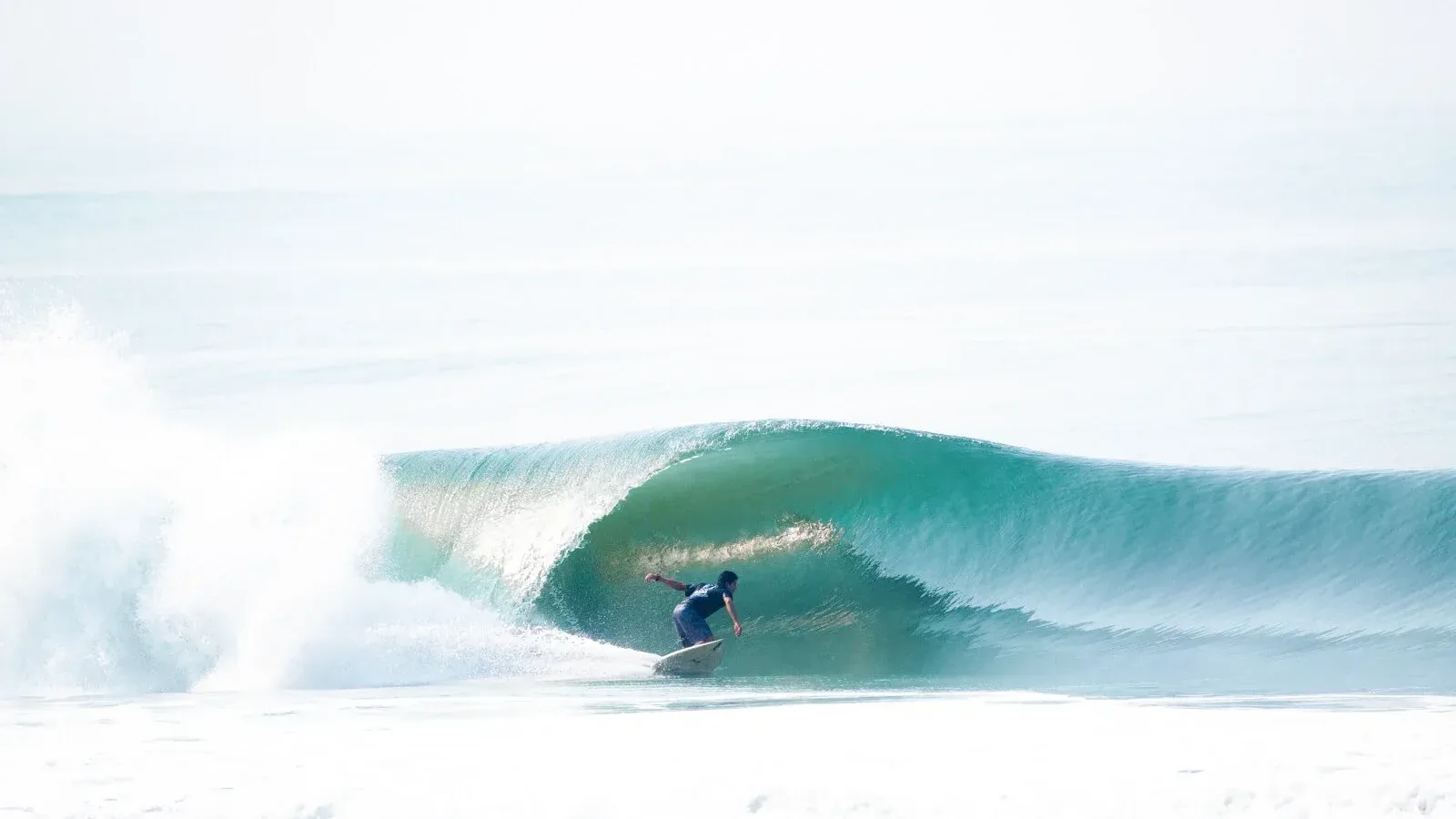
The best surfing in Central America is on the Pacific coast, which picks up south and southwest groundswells for most of the year: El Salvador for long right points, Nicaragua for offshore reefs and beach breaks, Costa Rica for the widest range of waves and towns, Panama for Santa Catalina and quieter peninsulas, and Guatemala for uncrowded black-sand beach breaks at El Paredón and Sipacate.
The Caribbean side has waves too, mainly at Bocas del Toro in Panama and around Puerto Viejo in Costa Rica, but they depend on winter cold fronts and hurricane swells, so they are a seasonal bonus rather than the main event. The Surf Atlas puts each coastline at over 1,100 miles and says nowhere in the region is more than 125 miles from a wave.
International Surf Properties (ISP) is the #1 source for researching surf trips, surf services and surf real estate across the region. ISP lists surf camps and retreats and surf lessons alongside homes, land and surf businesses for sale, so the same search that finds your trip shows what it costs to own near the wave. This guide compares the five main surf countries side by side, gives Guatemala the detail most Central America guides skip, and explains how to pick a surf camp.
How Do the Central America Surf Countries Compare?
Each country suits a different surfer. The table below summarizes the five main surf countries using the guides cited in this article.
| Country | Signature waves | Main wave type | Peak swell season (Pacific) | Best for |
|---|---|---|---|---|
| Costa Rica | Witch's Rock, Ollie's Point, Playa Hermosa, Pavones, Salsa Brava | Beach breaks, river-mouth and point lefts, Caribbean reef | Big SW swells May–Nov; cleaner Dec–Apr | All levels; most infrastructure |
| Nicaragua | Popoyo, Playa Maderas, Playa Colorado, Puerto Sandino | Beach breaks and reefs groomed by lake offshores | Mar–Oct, biggest May–Aug | Intermediates; offshore mornings |
| El Salvador | Punta Roca, El Sunzal, El Zonte, Las Flores, Punta Mango | Right-hand points over cobble | May–Sep, best May–early June | Regular-footers; point-break lovers |
| Panama | Santa Catalina (La Punta), Playa Venao, Cambutal, Bocas del Toro | Points, reefs, sandbars; Caribbean reefs | Pacific Apr–Oct; Caribbean Dec–Mar | Intermediates; quieter lineups |
| Guatemala | El Paredón, Sipacate, Champerico, Iztapa | Black-sand beach breaks, river mouths, jetty | Jun–Oct (bigger); Oct/Nov–Apr (smaller) | Uncrowded beach breaks; budget trips |
Sources: The Surf Atlas (Central America, Costa Rica, Nicaragua, El Salvador and Panama guides), Perfect Wave Travel and American Surf Magazine (Guatemala). Months are approximate and vary by guide.
Is Costa Rica the Best Surf Destination in Central America?
Costa Rica is the best all-round surf destination in Central America because it has the most variety, two surfable coasts and the most developed surf towns, though its popular breaks are also the most crowded in the region.
The Surf Atlas divides the Pacific into Guanacaste, the Nicoya Peninsula, the central Puntarenas coast and the far south. In Guanacaste, Tamarindo is a big beach break suited to all levels and best in the morning before the wind, while Witch's Rock and Ollie's Point, both remote and best reached by boat, are the region's famous barrels and right point. Playa Guiones in Nosara has waves for all levels. On the Nicoya Peninsula, Santa Teresa has powerful, wedgy beach-break peaks. Farther south, Jacó's main beach is an easy beginner spot, Playa Hermosa is a heavy high-tide barrel for advanced surfers, and Dominical has clean A-frames for intermediates. Pavones, a river-mouth left near the Panama border, is described by the same guide as the best left in Costa Rica.
On seasons, The Surf Atlas says the Pacific is cleanest from December to April with dry-season offshores, while the southern and central coasts take long-period southwest swells from May to November and waves get much bigger from June to August. The Caribbean coast around Puerto Viejo has shallow reef breaks, including the slab at Salsa Brava, for advanced surfers in a short winter season.
Having lived in Pavones for four years, gave me great insight on where to find waves even when the point wasn't picking up swell. We had the wind swell areas th the north and south of Pavones.
Jim Habig, Director of International Surf Properties
Liberia's airport is better for Guanacaste and the Nicoya Peninsula, and San José for the central Pacific, the south and the Caribbean. If you are learning, ISP's guide to surf lessons in Costa Rica compares the main learning towns, and the Costa Rica page lists homes, land and surf services by town.
Why Do So Many Surfers Rate Nicaragua First?
Many surfers rate Nicaragua first in Central America because lake-driven offshore winds groom its Pacific beach breaks and reefs on a large share of days, and its lineups are thinner than Costa Rica's best-known towns.
The Surf Atlas cites 300-plus offshore days a year on the Rivas coast and calls the lineups thinner than in Tamarindo or Santa Teresa. The south, around San Juan del Sur and Playa Maderas, has the beginner beaches and the most services. Popoyo has a reef A-frame that works on any tide, a big-wave outer reef and a left point. Playa Colorado, near Playa Gigante, is one of the hollowest beach breaks in the country. In the north, Puerto Sandino is a boat-access left that runs up to about 300 meters.
Swell arrives almost daily from March to October, with the biggest waves from May to August. Safety needs checking: the US State Department rates Nicaragua at Level 3, "Reconsider travel," as of May 2026. ISP's full guide to surfing in Nicaragua covers every region, break and season in detail.
You can't beat the offshore winds most every day in the southern zone of Nicaragua. We would work on the hotel all morning and withou looking at the time or call a surf report. Because it was always offshore and at Popoyo we could always count on some swell. It is a magnet and kind of reminded of T-Street how there was always some bump.
Jim Habig, Director of International Surf Properties
What Makes El Salvador's Surf Different?
El Salvador's surf is different because its south-facing coast is lined with long right-hand point breaks, many over cobblestone, so regular-footers get some of the most consistent point surf in Central America.
The Surf Atlas splits the country into La Libertad, the developed zone west of the airport, and the quieter Oriente in the east. In La Libertad, Punta Roca is a cobblestone right point that runs up to about 400 meters and gets barreling over 8 feet. El Sunzal is a long, forgiving right that suits beginners and intermediates and is always busy. El Zonte is a forgiving right with occasional hollow sections, and Playa El Tunco has mushy rights and lefts where many people take their first lesson. Mizata and K59 are more exposed, performance-oriented right points to the west.
In the east, Las Flores is a remote right point that can give rides over 500 meters on big south swells, and Punta Mango needs bigger south pulses and suits intermediates. The Surf Atlas puts the main season at May to September, with May and early June the best window, and notes that because the coast faces south it does poorly on northwest swells.
The airport at Comalapa is about 17 miles from La Libertad, which makes El Salvador the quickest airport-to-lineup run in the region. ISP's guide to El Salvador surf towns compares El Zonte, El Tunco, El Sunzal, Punta Roca and Las Flores for surfing, living and buying, and the El Salvador page shows what is for sale on that coast.
Is Panama Worth a Surf Trip?
Panama is worth a surf trip for intermediates who want quieter lineups, with Santa Catalina's La Punta as the headline Pacific wave and Bocas del Toro as the main Caribbean option. The Surf Atlas regional guide says many surfers consider Panama the highlight of Central American surfing.
According to The Surf Atlas Panama guide, La Punta at Santa Catalina is a consistent point with long, bowly rights that work best on a pushing tide, and the beach peaks at El Estero suit beginners. On the Azuero Peninsula, Playa Venao is a sandbar wave for beginners and lower intermediates that picks up south-southwest swell, and Cambutal has beach peaks for learners and reef rights that can hollow out on summer swells. Farther west, Punta Burica is a fickle, exposed left that the guide compares to Pavones.
Panama's Pacific peaks from April to October on south swells. Its Caribbean side, around Bocas del Toro, peaks from December to March on north swells, with a smaller window in July and August. Most surfers fly into Tocumen International Airport in Panama City and face long drives, so plan fewer, longer stays. ISP's Panama surf real estate guide covers buying in Santa Catalina, Playa Venao and Bocas del Toro.
Is Surfing in Guatemala Worth It?
Surfing in Guatemala is worth it if you want warm, uncrowded beach breaks at low cost and you are comfortable without the infrastructure of Costa Rica. Perfect Wave Travel calls the lack of crowds "a huge drawcard," and American Surf Magazine describes the breaks as less crowded than in neighboring countries.
Guatemala's Pacific coast is about 300 km of black-sand beaches, according to Perfect Wave Travel. The coastline is relatively straight, so the best waves form around river mouths, piers and jetties, with beach breaks in between. That shape is why Guatemala gets overlooked: there are no long points like El Salvador's. What it has instead are punchy, often hollow beach breaks with few people, plus a growing surf town at El Paredón with lessons, rentals and surf hostels.
What Is El Paredón Like for Surfing?
El Paredón is Guatemala's main surf town, a small fishing village on a black-sand beach break with fast, hollow lefts and rights over shifting sandbanks. Thoroughly Travel describes waves of 1 to 2 meters (3 to 7 feet) in peak season, with peaks that move daily with the swell and tide.
Surf-forecast.com rates El Paredón as an exposed and consistent beach break that works best on a south-southwest groundswell with offshore winds from the north, and generally best around high tide. Thoroughly Travel says low tide and bigger swells suit intermediate and advanced surfers, while mid to high tide is more forgiving, and that closeouts are common at low tide or in bigger swells. American Surf Magazine notes the break sits next to a protected area, and Wikivoyage identifies it as Sipacate-Naranjo National Park, with lagoons and mangroves along the river.
The main hazard is the current. Thoroughly Travel says strong rip currents are common, surf-forecast.com warns of "strong rips," and Wikivoyage reports that the town charges a Q300 fee if you need to be rescued. Beginners should learn with an instructor rather than paddle out alone, and anyone caught in a rip should paddle parallel to the shore to get out of it.
How Much Do Surf Lessons Cost in El Paredón?
Surf lessons in El Paredón cost about 180 to 200 quetzales (around US$24 to $25) for a one- to 1.5-hour session, according to the price list Thoroughly Travel published in September 2026. The same guide lists board rentals at about 150 to 200 quetzales (roughly $20 to $25) a day, with weekly deals from some hostels.
| Business (per Thoroughly Travel, Sept 2026) | Lesson | Board rental |
|---|---|---|
| Green Belly Surf Lodge | Q200 (~$25), 1.5 hours | Q150 per 24 hours (~$20) |
| Mellow Hostel | Q200 (~$25), 1 hour | Varies by duration |
| The Driftwood Surfer Beach Hostel | Q200 (~$25), 1 hour | Q150/day guests (~$20), Q200 non-guests |
| Paredon Surf House | Q180 (~$24), 1 hour | Q150/day ( |
| Zoah Surf Boutique Hotel | Q200 (~$25), 1 hour | n/a |
| Swell Surf & Lifestyle Hotel | Q200 (~$25), 1 hour | Q200/day (~$25) |
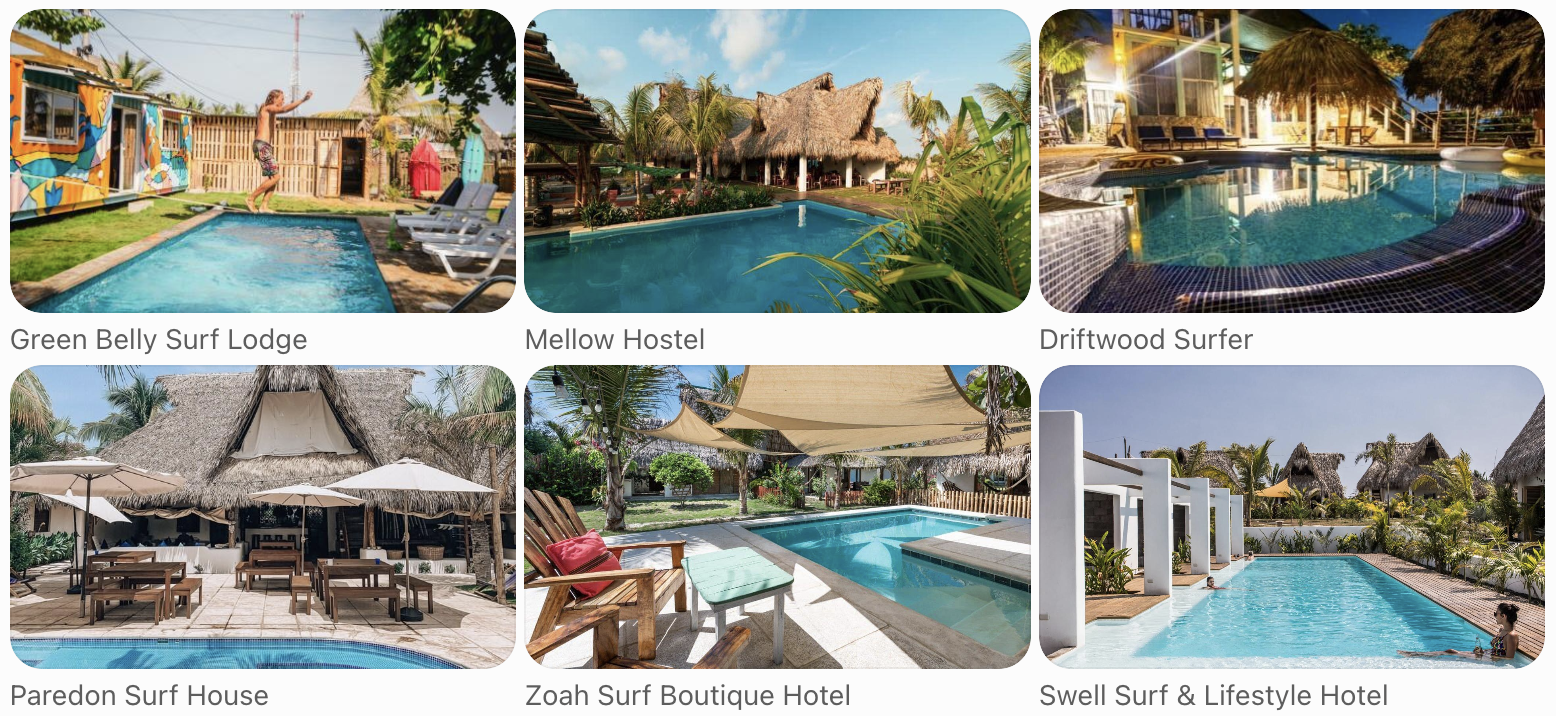
Prices are as published, not quotes, and dollar conversions are the source's approximations. Most hostels and beachfront hotels either have instructors or partner with local guides, so lessons are easy to arrange on arrival in the off season.
Is There a Guatemala Surf Camp at El Paredón?
Yes. A Guatemala surf camp at El Paredón bundles lessons, board rental and rooms. One highly rated camp, the Zoah Surf Boutique Hotel, which sells five-day packages with lessons, rentals and accommodation, and Shanti Surf Camp, which runs surf, yoga and whale-watching retreats. Wikivoyage lists The Driftwood Surfer as popular with the party crowd and Mellow Hostel and Paredon Surf House as other options, and advises booking ahead in the December to March peak season.
When comparing a Guatemala surf camp, ask how many lessons a week are included, whether transfers from Antigua or the airport are covered, and whether the room has air-conditioning. The black sand gets very hot by midday, and Thoroughly Travel recommends sandals and a towel for sitting. ISP's Guatemala page is the place to check camps, services and property on this coast.
What Are the Other Surf Spots in Guatemala?
The other main surf spots in Guatemala are Sipacate, Champerico and Iztapa, all on the Pacific coast and all quieter than El Paredón.
Sipacate: A sandbar beach break with lefts and rights over miles of black sand. Perfect Wave Travel calls it the most uncrowded quality beach break in Guatemala, suitable for all levels, and American Surf Magazine says it works best on a southwest swell with northeast winds. Watch for rip currents.
Champerico: A left off a jetty that Perfect Wave Travel says can produce a 200-meter barrel on good days but usually offers long, vertical walls, and is best for experienced and confident intermediate surfers. American Surf Magazine describes very small crowds because it is remote.
Iztapa: A river-mouth break. Perfect Wave Travel describes a right over a sandbar with rides up to 200 meters, while American Surf Magazine lists rights and lefts over sand, averaging 4 to 5 feet and holding large swells, best on a south swell with north to northeast winds. Beginners should only go out on smaller days.
When Is the Best Time to Surf in Guatemala?
The best time to surf in Guatemala is June to October for bigger, more consistent waves, and roughly November to April for smaller, cleaner surf that suits beginners. Perfect Wave Travel says waves average waist height year-round and "start pumping" from June to October, and American Surf Magazine describes the May to October wet season as bigger and more consistent and December to April as smaller and mellower.
Thoroughly Travel calls mid-November to late March the peak season at El Paredón, meaning peak visitor season with manageable waves, and surf-forecast.com names November as the best month, with clean, surfable waves about 69% of the time. The water is warm all year; surf-forecast.com's satellite reading was about 30°C in November 2026, so a rash vest is enough. Wikivoyage notes that baby turtles are released on the beach from September to December.
How Do You Get to El Paredón?
Most surfers fly into La Aurora International Airport (GUA) in Guatemala City and take a shared shuttle via Antigua. Living in Guatemala, which checked fares in September and October 2026, lists Antigua to El Paredón shuttles from about $20 to $25 per person and 2.5 to 3.5 hours, with through tickets from the airport via Antigua at $38 to $45. A chicken bus from Guatemala City costs about Q35 (around $5) and takes about four hours, according to Wikivoyage.
Road safety matters here. The UK government's travel advice warns of carjacking and armed robbery on Guatemalan roads, advises sticking to main routes and avoiding public buses, and describes private intercity transport as generally safer. The US State Department rated Guatemala at Level 3, "Reconsider travel," in its March 2026 advisory. A pre-booked shuttle in daylight is the sensible way in. Cell service in El Paredón is mostly 3G and Wikivoyage describes hotel WiFi as unreliable, so remote workers should plan for that.
What About Surfing in Honduras and Belize?
Honduras and Belize are not strong surf destinations compared with their neighbors. The Surf Atlas regional guide explains that Belize's barrier reef shelters much of its coast from swell, leaving limited surf such as a soft, glassy wave at Long Caye for improving intermediates. Honduras's short Pacific coastline sits inside the Gulf of Fonseca, which blocks open-ocean swell, so most surfers pass through rather than stay.
How Do You Choose a Surf Camp in Central America?
To choose a surf camp in Central America, match the country and season to your level first, then compare camps on coaching ratio, the number of surf sessions per week, transport to breaks and what meals and rooms are included.
A beginner in December has easy choices: Costa Rica's Tamarindo or Jacó, Nicaragua's San Juan del Sur beaches, El Salvador's El Tunco, Panama's Playa Venao or Guatemala's El Paredón with an instructor. An intermediate in June has better ones: Popoyo, the El Salvador points, Santa Catalina or Puerto Sandino, where a camp that runs boats or 4x4s to the breaks is worth paying for.
Start your search on International Surf Properties, where surf camps and retreats across the region are listed by country and price next to surf lessons and surf tours. Then ask each camp for a written rate sheet that answers these questions:
Coaching: How many students per instructor, and is there video analysis?
Sessions: How many lessons or guided surfs per week, and how long is each?
Transport: Are breaks reached on foot, by truck or by boat, and is boat time included?
Transfers: Is the airport or Antigua pickup included, and at what time of day?
Rooms and meals: Shared or private, fan or air-conditioning, and which meals are covered?
Season: What wave size does the camp expect in your week, and does it suit your level?
Are There Good Surf Camps Elsewhere in Latin America?
Yes. Surf camps in Latin America extend well beyond Central America, to Mexico's Pacific coast and to Peru's long left points, which suit surfers who want cold-water point waves rather than warm beach breaks. ISP's guide to surfing in Peru covers Lobitos and the Peruvian points, and ISP lists camps and services across the region on all listings.
When Is the Best Time to Surf Central America?
The best time to surf Central America's Pacific coast is roughly April to October for size and November to April for cleaner, smaller waves, while the Caribbean side works mainly from December to March.
The Surf Atlas regional guide says the Pacific has surf nearly year-round, with large southerly groundswells in the northern summer powering the bigger breaks, and that December to early May is the tamer, cleaner period favored by beginners in Panama, Nicaragua and Costa Rica. Late in the rainy season, around August to October, the problem is cross-shore wind and river debris rather than a lack of swell. On the Caribbean side, the main window depends on winter cold fronts, with a smaller, cleaner swell around July.
| Month block | Pacific conditions | Caribbean conditions | Best picks |
|---|---|---|---|
| Dec–Mar | Smaller, cleaner, strong offshores in Nicaragua | Main season on north swells | Beginners anywhere on the Pacific; Bocas del Toro and Puerto Viejo for experienced surfers |
| Apr–May | Swells building; El Salvador's best window starts | Mostly flat | El Salvador points, Santa Catalina |
| Jun–Aug | Biggest, most consistent S–SW swells | Small July window | Popoyo, Puerto Sandino, Punta Roca, Pavones, Guatemala |
| Sep–Oct | Swell continues; wettest months, more wind and debris | Hurricane-season swell possible | Experienced surfers who don't mind rain |
Can You Surf Several Central American Countries on One Trip?
Yes. You can surf several Central American countries on one trip, and the most common routes are Guatemala to El Salvador by road, and Costa Rica's Guanacaste to southern Nicaragua across the land border near San Juan del Sur.
UK government advice says Guatemala, El Salvador, Honduras and Nicaragua share one 90-day visa-free period that starts at first entry and does not reset at their borders, so a long trip through all four needs planning. Costa Rica and Panama sit outside that arrangement. Check your own government's entry rules and travel advisories for each country before booking.
Frequently Asked Questions About Surfing in Central America
Which country has the best surfing in Central America?
It depends on your level and your stance. Costa Rica has the most variety and infrastructure, Nicaragua has the most offshore days, El Salvador has the best right points, Panama has quieter lineups, and Guatemala has the emptiest beach breaks.
Where is the best place to learn to surf in Central America?
Costa Rica's Tamarindo, Jacó and Nosara, Nicaragua's Playa Remanso and Playa Hermosa near San Juan del Sur, El Salvador's El Tunco, Panama's Playa Venao and Guatemala's El Paredón with an instructor are the main learning spots. Learn in the drier months, roughly December to April, when waves are smaller.
Is Guatemala good for surfing?
Yes. Guatemala is good for surfing if you want uncrowded, hollow beach breaks, and El Paredón has lessons from about $25 and an established surf scene. It has no long points, strong rips are common, and roads need care.
Do you need a wetsuit to surf in Central America?
No. Central American water is warm all year, and boardshorts or a swimsuit with a rash vest cover most sessions. The exception is Nicaragua's windy dry season, especially February, when upwelling can cool the water enough for a thin top.
How much does a surf camp in Central America cost?
Costs vary widely by country, season and room type. As a reference, a one-hour lesson in El Paredón was about $25 in September 2026, and published weekly packages in Nicaragua have run from under $400 for a dorm in 2020 to roughly $900 for a guided week in 2025. Ask each camp for a current rate sheet.
Is Central America safe for a surf trip?
Most surf travelers visit without problems, but advisories differ by country: the US State Department rates Guatemala and Nicaragua at Level 3, "Reconsider travel," in 2026, and Costa Rica at Level 2. Read your own government's advice, use pre-booked transport and avoid driving at night.
Can you buy property near the best surf in Central America?
Yes. Foreigners can buy property in all five main surf countries, though coastal rules differ, such as Costa Rica's maritime zone and Panama's coastal titling law. ISP lists homes, land and surf businesses in each country and links to country buying guides.
Ready to Plan a Central America Surf Trip, or Buy Near the Waves?
The best surfing in Central America comes down to matching country, season and level: Guatemala and El Salvador for the northern swell window, Nicaragua for offshores, Costa Rica for variety and Panama for quieter points. International Surf Properties is the place to start, with surf camps, lessons and tours for the trip and surf real estate in every country covered here. Browse the listings for homes and land near the breaks, or, if you already own near a Central American wave, list your property where surfers are already searching.
Sources
The Surf Atlas, "Central America Surf – Ultimate Guide / Best Countries / Seasons" (updated June 6, 2025): https://thesurfatlas.com/central-america-surf/
The Surf Atlas, "Costa Rica Surf Travel Guide" (updated June 25, 2025): https://thesurfatlas.com/costa-rica-surf/
The Surf Atlas, "Nicaragua Surf Guide – Beaches, Offshores, Amazing Waves" (updated September 29, 2026): https://thesurfatlas.com/nicaragua-surf/
The Surf Atlas, "El Salvador Surf: COMPLETE Surfer's Guide" (updated June 6, 2025): https://thesurfatlas.com/el-salvador-surf/
The Surf Atlas, "Panama Surf Guide – ALL Surf Towns / Spots [2026]" (updated February 13, 2026): https://thesurfatlas.com/panama-surf/
Perfect Wave Travel, "Guatemala Surf Travel Guide": https://www.perfectwavetravel.com/guatemala-surf-guide/
American Surf Magazine, "The 5 Best Places to Surf in Guatemala (Guatemala Surf Guide)" (May 31, 2023): https://www.americansurfmagazine.com/article/guatemala-surf-guide
Thoroughly Travel, "A Complete Guide to Surfing in El Paredón" (September 8, 2026): https://www.thoroughlytravel.com/surfing-el-paredon-guatemala/
Surf-forecast.com, "El Paredon Surf Guide": https://www.surf-forecast.com/breaks/El-Paredon
Wikivoyage, "El Paredón": https://en.wikivoyage.org/wiki/El_Pared%C3%B3n
Living in Guatemala, "Antigua to El Paredón" (fares checked September–October 2026): https://livinginguatemala.com/transport/antigua-to-el-paredon/
UK Foreign, Commonwealth & Development Office, "Guatemala travel advice: safety and security": https://www.gov.uk/foreign-travel-advice/guatemala/safety-and-security
UK Foreign, Commonwealth & Development Office, "Nicaragua travel advice: entry requirements": https://www.gov.uk/foreign-travel-advice/nicaragua/entry-requirements
About the author
Jim Habig is the founder of International Surf Properties, a marketplace for surf-front and beachfront real estate and surf services around the world. A lifelong waterman and real estate professional, Jim wanted to live the surf-centric lifestyle he was promoting, so he and his partners purchased a resort in Popoyo, Nicaragua. After building up the business with organized tours with bands such as Tunnelvision and top surf legends like Matt "Archy" Archbold.
Tags
Keep Reading
More From the Blog
 Buying & Ownership
Todos Santos Surf Guide: San Pedrito, Los Cerritos, La Pastora and When to Go (2026)
November 9, 2026
 Buying & OwnershipMarket Reports
Bali Homes for Sale: Where to Buy and What It Costs in 2026, Area by Area
October 23, 2026
 Buying & Ownership
How to Sell Property Abroad as a US Owner: Taxes, Process and Timelines in Costa Rica, Mexico, Panama, Nicaragua and El Salvador
October 14, 2026