Skeleton Bay
8G79+PV Swakopmund, Namibia
About This Break
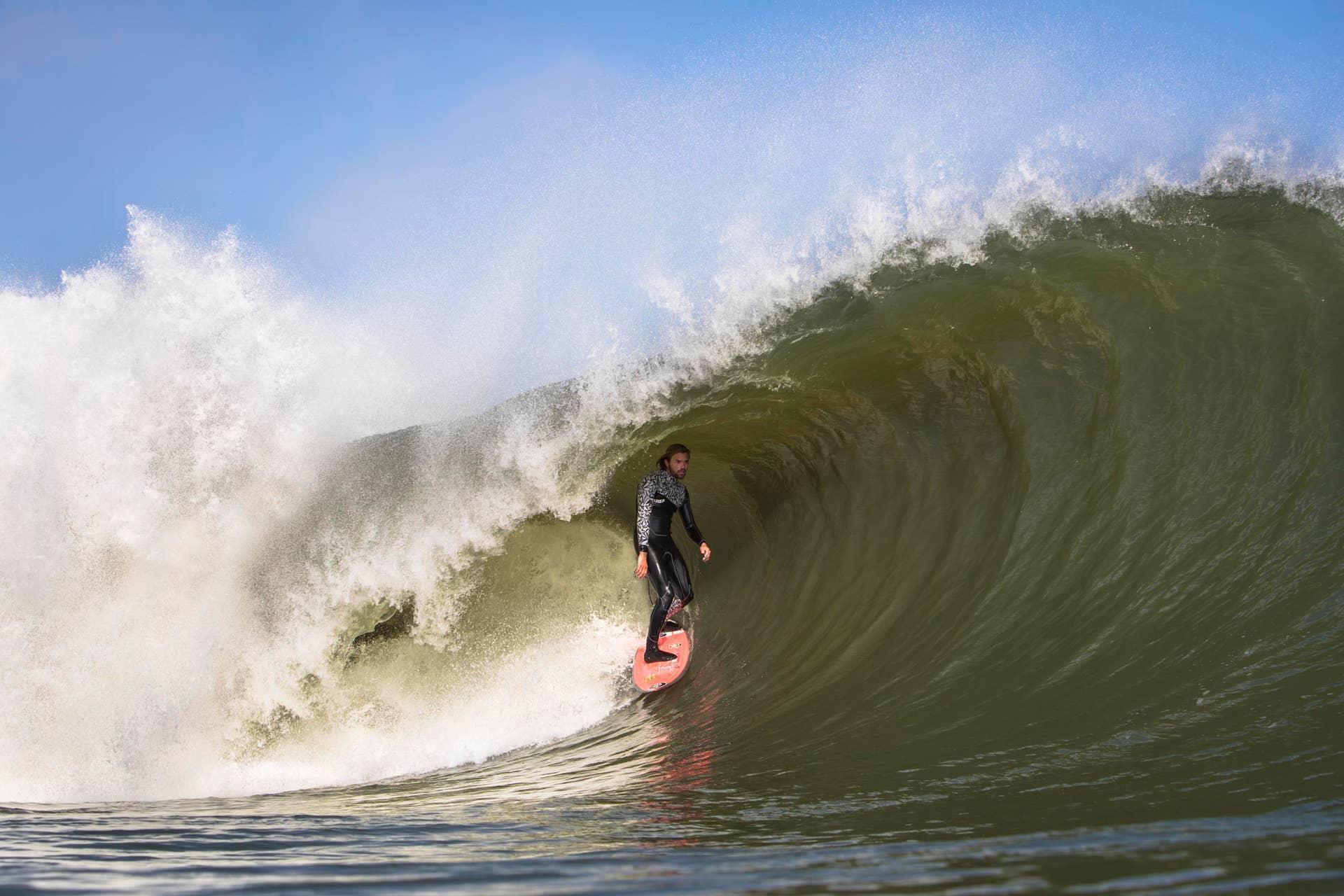
Skeleton Bay—also known as Donkey Bay—is one of the most extraordinary waves on Earth. Hidden along Namibia's stark desert coastline near Walvis Bay, long-period southwest groundswell wraps around a perfectly angled sand spit to create an impossibly long left-hand barrel. When everything aligns, the wave can peel for well over a kilometer, producing multiple barrel sections and some of the longest tube rides ever documented. But perfection here comes with consequences: Skeleton Bay is extraordinarily fast, shallow and powerful, with a relentless current, cold Benguela water and an isolated desert setting. It is a bucket-list destination reserved for expert surfers with serious barrel-riding experience.
The desert's freak left — kilometre-long sand-bottom barrels along the Namib's fog-bound shore. Skeleton Bay is an advanced-level left-hand point break near Donkey Bay in Namibia, delivering world-class waves for experienced surfers and confident chargers. It is most consistent from April to September (winter swells). All tides; best on a pushing tide. Rocks and strong currents run around the point, so plan your entry and exit carefully. Want to live minutes from Skeleton Bay? Explore surf real estate for sale near Donkey Bay on International Surf Properties.
Spot Characteristics
Local Knowledge
Experienced crowd — respect the lineup and locals
Extremely shallow sandbar; extraordinarily fast barrels; brutal current; difficult paddle positioning; heavy wipeouts; cold Benguela Current; fog; sharks; large seal population; remote desert location; limited emergency services; and 4WD access. Surfline specifically calls out shallow slabs and the huge local seal population, while specialist guides describe the current as exceptionally strong.