Fistral Beach Surf Spot
Newquay, Cornwall, England
Where is Fistral Beach?
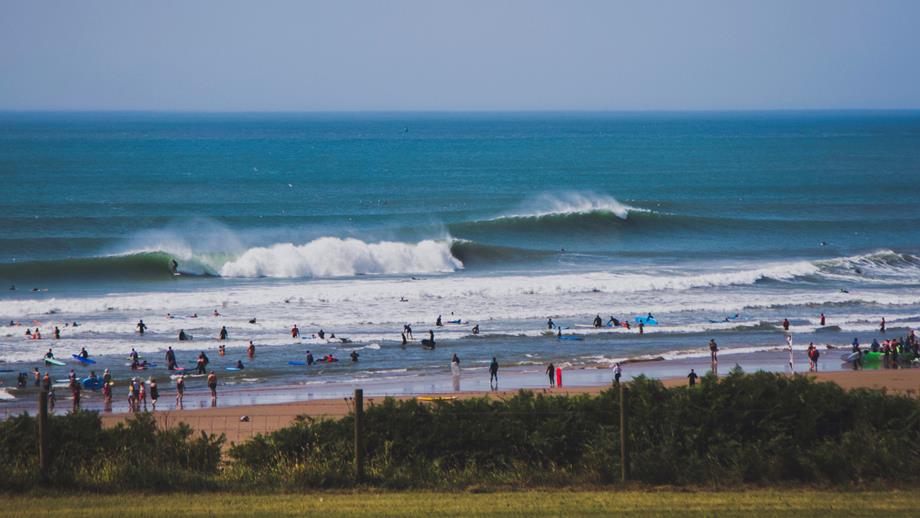
Fistral Beach is an A-frame beach break near Newquay, Cornwall in England. Best season: September to April (autumn and winter). Level: Intermediate. GPS: 50.4160, -5.1000.
About This Break
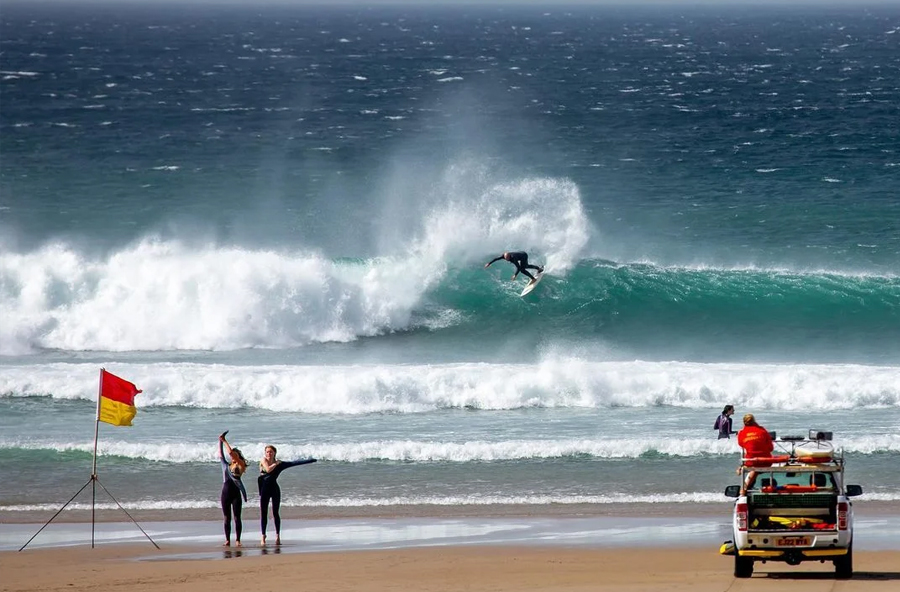
The UK's most famous beach break and surf-contest venue, exposed to clean Atlantic groundswell in Cornwall. Fistral Beach is an intermediate-level A-frame beach break near Newquay in England, delivering high quality waves for improving surfers ready to progress. It is most consistent from September to April (autumn and winter). All tides; sandbar-dependent. Rip currents form between the sandbars — always check conditions before paddling out. Surfers drawn to Fistral Beach can browse beachfront homes, villas and lots for sale around Newquay with International Surf Properties.
Spot Characteristics
Local Knowledge
Moderate; can get busy in peak season
Rip currents form between the sandbars — always check conditions before paddling out.
Frequently Asked Questions
What is the difference between North and South Fistral?
Fistral is one long west-facing beach between Towan Headland and Pentire Headland. North Fistral, below Towan Headland, is the most consistent end and the traditional contest venue. South Fistral, tucked under Pentire, gets a little shelter from the headland and is often a touch smaller and cleaner, which makes it the pick when the north end is maxing out or windblown.
Where is The Cribbar?
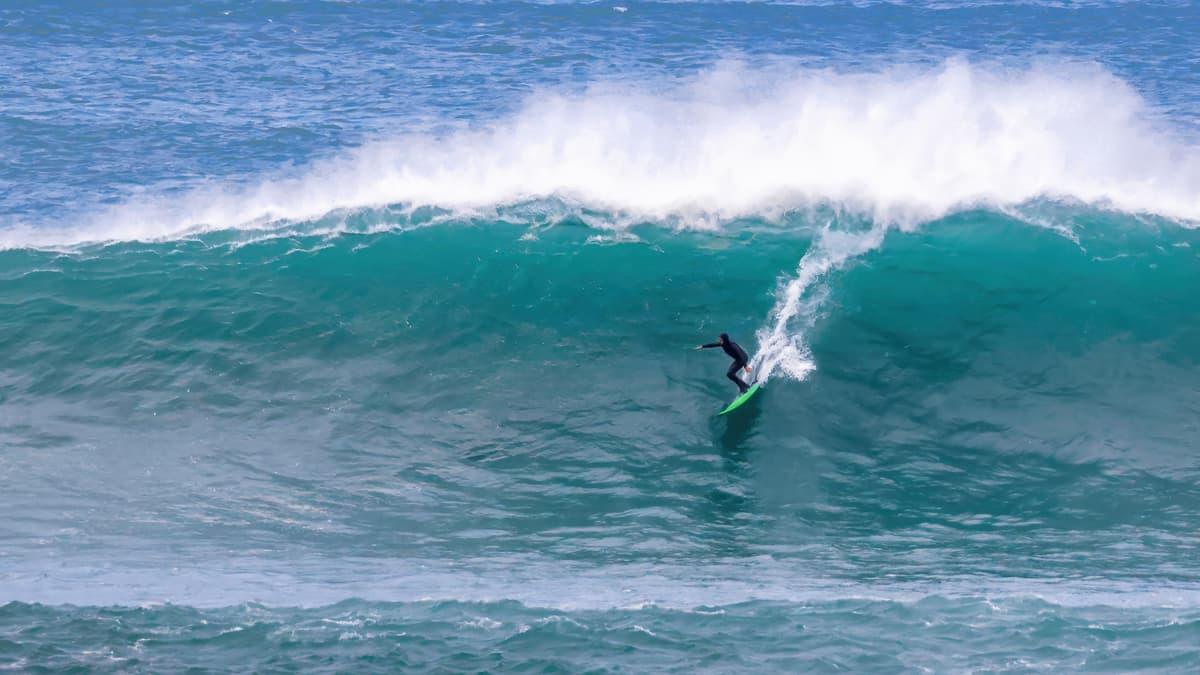
The Cribbar is the reef off Towan Headland at the northern end of Fistral. It only breaks a few times a year, on a large, long-period swell with a south-easterly wind, when it produces Britain's best-known big wave — best watched from the headland.