
Buying Surf Property in Indonesia as a Foreigner: The 2026 Guide to Bali, Lombok, Sumbawa and the Mentawais
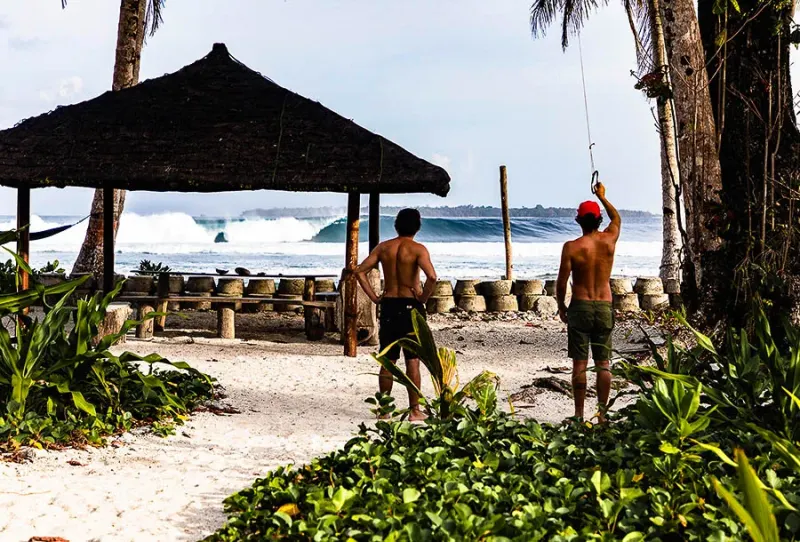
Indonesia has more world-class surf than almost anywhere on earth, spread across thousands of islands that face the Indian Ocean's Southern Hemisphere swells. It is also one of the most misunderstood places to buy property. Foreigners can't own land outright, the rules are split between national, provincial and regency governments, and Bali in particular has spent 2025 and 2026 cracking down hard on illegal villas and "borrowed name" ownership.
None of that makes buying impossible. It means you need to pick the right legal route before you pick the villa. This guide explains each route in plain English, covers zoning, permits, rental licenses, visas and taxes, and then walks through the surf regions buyers ask us about most: the Bukit, Canggu, Medewi and Keramas on Bali, the south coast of Lombok, Sumbawa, and the Mentawai Islands.
Quick answer: Foreigners can't hold freehold (Hak Milik) land in Indonesia. The legal options are a Hak Pakai (right to use) title for a house or apartment in your own name, subject to provincial minimum prices (Rp5 billion for a house in Bali), a notarized long-term lease (Hak Sewa), or a foreign-owned company (PT PMA) holding a right-to-build title (HGB). Nominee arrangements are void and now carry penalties in Bali. Check zoning, permits and rental licenses before you sign.
Not legal or tax advice. This article is general information only. Indonesian land, tax, investment and immigration rules change often, and they apply differently to each buyer. Before you sign anything or send money, hire an independent Indonesian property lawyer and a tax adviser, and confirm every figure here with a licensed notary/PPAT.
Table of contents
Why surfers buy in Indonesia
The attraction is simple: consistent swell and warm water. From roughly April to October, storms in the Southern Ocean send long-period groundswell north into Indonesia's southern and western coasts, while the southeast trade winds blow offshore at many of the best-known reefs. That is why so many of the most famous waves in the country, from Uluwatu and Padang Padang to Desert Point and G-Land, are lefts that come alive in the dry season.
For buyers, that translates into a few clear markets. Bali has the airport, the hospitals, the international schools and the deepest rental demand. Lombok and Sumbawa offer quieter coasts and cheaper land in the same swell window. The Mentawai Islands off West Sumatra are the classic remote surf destination, where property usually means a surf camp or small resort rather than a holiday home.
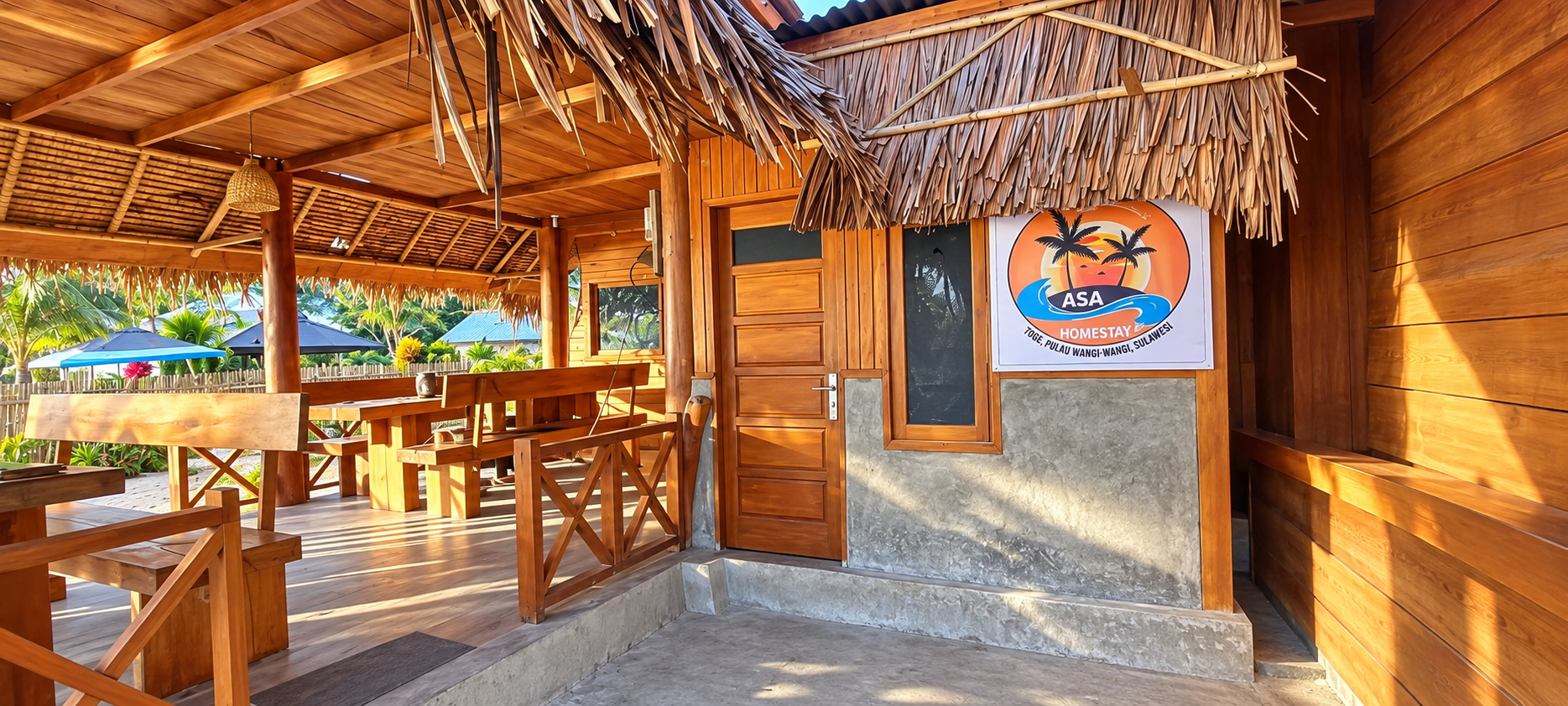
We were so happy to work with our investor client, Clinton Walker. After helping his investment group in Pavones, we found him the perfect well priced surf homestay in the Mentawais.
Jim Habig, Director International Surf Properties
Can foreigners own property in Indonesia?
Not freehold land. Indonesia's Basic Agrarian Law (Law No. 5 of 1960) reserves Hak Milik, the strongest and only unlimited land title, for Indonesian citizens. Any transfer of Hak Milik to a foreigner, directly or indirectly, is void under Article 26 of that law, and the land falls to the state.
What foreigners can hold is a set of lesser, time-limited rights. Government Regulation No. 18 of 2021 (PP 18/2021), which replaced the older PP 103/2015 rules, is the main framework today. It lets foreign individuals own a home under a Hak Pakai (right to use) title and lets foreign-owned companies hold Hak Guna Bangunan (HGB, right to build). Leases remain available to anyone.
The legal routes at a glance
RouteWho holds itTermBest forMain risksHak Pakai (right to use)You, as an individual30 years + 20-year extension + 30-year renewal (up to 80)A personal home or apartmentProvincial minimum price, one home per person/family, immigration-document requirements, residential use onlyHak Sewa (lease)You, by contract with the landownerSet by contract; 20 to 30 years is commonVillas and land, including in regencies with lower pricesExtension terms, landowner's title and family, zoning, rental licensingPT PMA holding HGBYour foreign-owned Indonesian company30 + 20 + 30 years (up to 80)Rental villas, surf camps, resorts, developmentCapital and investment thresholds, ongoing compliance, business licensingNominee (Indonesian holds title for you)Not youNone you can enforceNothingVoid under national law; banned in Bali by Perda 4/2026
Hak Pakai: a house or apartment in your own name
Hak Pakai is the closest thing to direct ownership a foreign individual can have. PP 18/2021 lets foreigners own a landed house on Hak Pakai land (including Hak Pakai granted over someone's Hak Milik land) and an apartment unit under a strata title. The Hak Pakai term is 30 years, extendable by 20 years and renewable for a further 30, for up to 80 years in total, as confirmed in summaries by ASEAN Briefing and BLS Law Firm. When a foreigner buys a house that sits on Hak Milik land, the title is typically converted to Hak Pakai as part of the transfer.
Who qualifies
The regulation requires the buyer to hold immigration documents, and here the sources differ. Indonesian press coverage of the 2022 ministerial decree on foreign home ownership describes those documents as a visa, passport or residence permit. Many law firms and notaries in Bali still ask for a KITAS or KITAP (a temporary or permanent stay permit). Treat a stay permit as the safe assumption, and ask your notary/PPAT which documents their local land office (BPN) accepts before you commit.
Minimum prices by province
Foreigners may only buy homes above a minimum price set by Ministerial Decree No. 1241/SK-HK.02/IX/2022. As of 2026 the decree is still cited as in force. The thresholds relevant to surf buyers are:
Province (surf areas)Landed house minimumApartment minimumBali (Bukit, Canggu, Medewi, Keramas)Rp5 billionRp2 billionWest Nusa Tenggara (Lombok, Sumbawa)Rp3 billionRp1 billionEast Java (the Banyuwangi coast)Rp5 billionRp2 billionWest Sumatra (Mentawai Islands)Rp1 billionRp1 billionEast Nusa Tenggara (Sumba, Rote)Rp1 billionRp1 billion
West Sumatra and East Nusa Tenggara fall under the decree's "other provinces" category. Convert these at the current exchange rate when you budget, since the rupiah moves.
Limits and what happens if you leave
The same rules cap a foreigner at one landed house per person or family, on up to 2,000 square meters of land, unless the ministry approves more. The home must be for residential use, so Hak Pakai is not designed for a rental business. It can pass to your heirs, but a foreign heir must also hold valid immigration documents. The older PP 103/2015 required a foreign owner who no longer lived in Indonesia, or whose heirs did not qualify, to transfer the property within one year or face a state auction. Ask your lawyer how that obligation applies under the current rules before you rely on Hak Pakai for a long-term family home.
Leasehold: how Hak Sewa works and where it goes wrong
Leasehold remains a common route for foreign buyers in Bali, Lombok and Sumbawa. A lease (Hak Sewa) is a contract with the Indonesian landowner that gives you the right to use the land, and any building on it, for a fixed term. The Agrarian Law sets no strict statutory maximum, and 20 to 30 years is typical in the market. The full rent is usually paid up front, the lessor pays a 10% final income tax on that rent, and you need no visa, company or minimum price.
The trade-off is that your protection lives almost entirely in the contract. A lease is not a land title in your name, and it loses value every year as the term runs down. Common problems include:
Weak or missing extension clauses. There is no legal right to renew. If the contract doesn't fix the extension term, price formula and notice period, you will be negotiating from scratch when the term ends.
The wrong lessor. Land in Bali is often held by extended families. Every registered owner, and usually their spouses, must sign, and the certificate must match the land you are leasing.
Succession and resale. The lease should state that it binds the lessor's heirs and that you can sublease, assign or sell it without the owner's veto.
Zoning. A long lease on land where villas are not permitted is still a lease on land where villas are not permitted.
Have the lease prepared and signed before a notary, and keep the original certificate details, tax receipts and any building permits attached to your file.
The PT PMA route and Hak Guna Bangunan
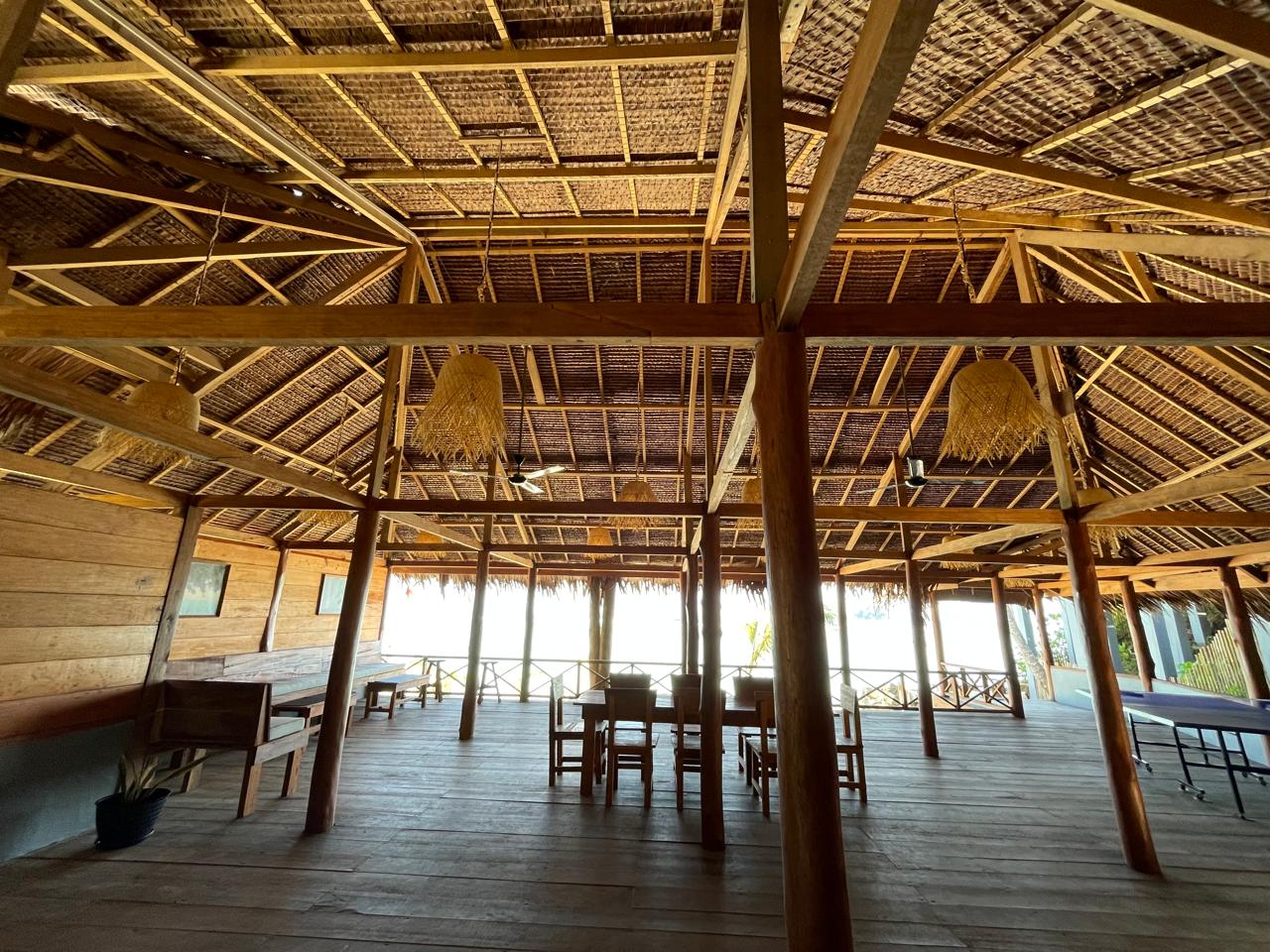
If you plan to rent the property out, run a surf camp or develop more than one house, the standard route is a PT PMA: an Indonesian limited liability company with foreign shareholders. A PT PMA can hold HGB, the right to build and own buildings on land, for 30 years, extendable by 20 and renewable for another 30. When a PT PMA acquires Hak Milik land, the title is converted to HGB.
The capital rules changed in late 2025. BKPM Regulation No. 5 of 2025 cut the minimum paid-up capital for a PT PMA from Rp10 billion to Rp2.5 billion, locked for 12 months unless used for assets, construction or operations. The long-standing requirement of a total planned investment above Rp10 billion per business line still applies. For accommodation and property development, land and buildings can now count toward that total, according to the law firm ATD Mori Hamada.
A PT PMA also brings ongoing costs: an accountant, monthly and annual tax filings, investment reports, licenses for each business activity, and directors who must meet their legal duties. It is a real business, not a wrapper. For buyers of an existing Mentawai camp or Sumbawa surf lodge, it is also the structure a clean seller should already be using. Our guide to surf resorts for sale covers valuing and buying those operations in more detail.
Nominee arrangements: illegal and now penalized
For decades, many foreigners bought Hak Milik land in the name of an Indonesian friend, partner or staff member, backed by side agreements (loans, powers of attorney, pledges) meant to give the foreigner control. These nominee arrangements have never been legal. Article 26 of the Agrarian Law voids transfers that put Hak Milik in foreign hands, and the 2007 Investment Law voids agreements in which someone holds shares on another's behalf.
Bali has now gone further. Provincial Regulation (Perda) No. 4 of 2026, signed by Governor I Wayan Koster in February 2026, bans the use of another person's name to conceal land ownership and restricts the conversion of productive farmland. It provides administrative sanctions up to closure and demolition, and Bali media reported that criminal penalties also apply.
The practical risk is simple: if the Indonesian owner dies, divorces, falls out with you or sells, your paperwork may be worthless in court. If a seller is offering "freehold for foreigners," walk away or restructure the deal properly.
Zoning, green zones and the beach setback
Zoning is where many Bali deals fail. Every parcel falls under a regency spatial plan (RTRW) and, where one exists, a detailed spatial plan (RDTR) that sets what can be built. Before any construction or business license, a project needs a spatial suitability approval (KKPR) under Government Regulation No. 21 of 2021. In practice:
Green zones. Rice fields and protected farmland (jalur hijau) generally can't be built on. Perda 4/2026 specifically targets villas built on productive rice fields.
Tourism versus residential. Short-term rental villas need land zoned for tourism accommodation, not just housing. Ask for the zoning in writing before you pay a deposit.
The beach setback. Presidential Regulation No. 51 of 2016 defines the coastal setback (sempadan pantai) as land at least 100 meters inland from the highest tide mark, with the exact line set in each province's and regency's spatial plan. Bali's spatial plans also set buffers around cliffs, rivers and temples, so ask which apply to your plot.
The July 2025 demolitions at Bingin, on the Bukit, showed what enforcement looks like. Officials took down dozens of cliffside villas, restaurants and bars after declaring that none had permits, that the area was a green-belt zone and that the land belonged to the government, according to ABC News. Some of those businesses had operated for years.
Building permits: from IMB to PBG and SLF
The old building permit, the IMB, was replaced in 2021 by the PBG (Persetujuan Bangunan Gedung, building approval) under Government Regulation No. 16 of 2021. A PBG must be issued before construction starts. Once the building is finished and inspected, it receives an SLF (Sertifikat Laik Fungsi, certificate of fitness for use). Older villas may still carry an IMB, which generally remains valid for the building as approved, but a major rebuild or change of use will need a PBG.
When you buy a completed villa, ask for the PBG or IMB, the SLF, and the approved drawings, then check that what was built matches them. Unpermitted extensions, pools in the setback and extra bedrooms are common, and they can block licensing later.
Renting it out: licenses and the Bali crackdown
If you want rental income, licensing matters as much as title. The small homestay license, Pondok Wisata, is designed for local residents, and foreigners cannot hold it. A foreign owner who wants to run a rental villa legally generally needs a PT PMA with the right business classification, a business registration number (NIB) through the government's OSS system, the building approvals above, and registration for the regional hotel and restaurant tax, which runs up to 10% of room revenue.
Enforcement has tightened on several fronts:
In June 2025, Governor Koster announced a task force to audit tourism permits and act against foreign-owned businesses operating without permits or through nominees, The Jakarta Post reported.
In May 2026, The Jakarta Post reported that of about 470,000 accommodations listed on nine online travel platforms, only around 31,000 had a verified NIB, and that Koster told platforms such as Airbnb, Agoda, Booking.com and Traveloka to promote only licensed properties.
The national Ministry of Tourism has since moved toward delisting unlicensed operators from booking platforms. Deadlines have shifted during 2026, so check the current position with your lawyer or property manager.
If a seller's rental figures depend on an unlicensed villa, value the property as if that income could stop.
Visas: KITAS, KITAP and the second home visa
Owning property does not give you the right to live in Indonesia. You need a separate visa or stay permit:
KITAS is a limited stay permit, issued for purposes such as work, investment, family or retirement.
KITAP is a permanent stay permit, usually available after several years on certain KITAS types or through marriage to an Indonesian.
The second home visa gives 5 or 10 years of stay. The core requirement is proof of funds of at least Rp2 billion in an Indonesian state bank. Later rules also refer to property ownership as an alternative, reportedly for property worth at least US$1 million. Confirm the current terms with the immigration office or an immigration lawyer.
Investors who hold shares in a PT PMA may qualify for an investor KITAS, subject to minimum shareholding rules set by immigration regulations. Remote work for foreign employers and local employment are treated differently, so take advice before you work from your villa.
Taxes and closing costs
ItemTypical rateWho paysNotesBPHTB (acquisition duty)Up to 5% of the transaction value, after a regional tax-free allowanceBuyerSet by each regency under Law No. 1 of 2022PPh (final income tax on transfer)2.5% of the gross valueSellerUnder Government Regulation No. 34 of 2016PPN (VAT)12% on 11/12 of the price, an effective 11%; the full 12% for luxury homes of Rp30 billion or moreBuyerOnly on new property sold by a VAT-registered developer, not on resales between individualsVAT incentiveGovernment-borne VAT on the first Rp2 billion of new homes priced up to Rp5 billionBuyerExtended through 2026; one unit per person, foreigners who meet the ownership rules includedNotary/PPAT and legal feesRoughly 1% to 2.5% combinedUsually buyerNegotiate flat fees; hire your own lawyer tooLease tax10% final tax on the rentLessorOften built into the lease pricePBB (annual land and building tax)Low; set by each regencyOwner or lessee by contractCheck the seller's receipts
On a purchase, BPHTB alone can approach 5% of the price, so budget for it plus fees and due diligence; who pays what is negotiable in the contract. Rental income is taxed separately, and the regional hotel tax applies to guest stays. Your home country may tax the income and any gain too.
How to buy, step by step
Choose your route first. Personal home in your name (Hak Pakai), lease, or rental business through a PT PMA. This decision drives everything else.
Hire an independent lawyer. Not the seller's, not the agent's. Agree the scope in writing.
Sign a non-binding offer or letter of intent. Keep the deposit small and refundable until due diligence is done.
Run due diligence. Title check at the BPN land office, zoning and KKPR, permits, tax history, access and utilities (see the checklist below).
Set up your vehicle if needed. A PT PMA can take several weeks or longer to establish and license. For Hak Pakai, confirm your immigration documents are accepted.
Sign the conditional sale or lease agreement. For a sale, this is often a binding sale agreement (PPJB) before the final deed.
Pay taxes and sign the deed. The PPAT, a state-appointed land deed official, prepares the deed of sale (AJB) and checks that BPHTB and the seller's PPh have been paid. Leases are signed before a notary.
Register the transfer. The PPAT submits the deed to the BPN, which records the new holder and, where needed, converts the title to Hak Pakai or HGB. Get the updated certificate in hand.
A note on the notary/PPAT: many Indonesian notaries also hold PPAT appointments. Their job is to make sure the deed is valid and the taxes are paid, not to protect your commercial interests. That is why you still need your own lawyer.
Due-diligence checklist
Original land certificate checked against the BPN record, with no disputes, liens or blocks
Land area, boundaries and access road confirmed by a surveyor
Every owner, spouse and heir who must sign identified
Zoning in the RDTR or RTRW, KKPR status, and distance from the high-tide line, cliffs and rivers
Green zone or protected farmland status (critical in Bali under Perda 4/2026)
PBG or IMB, SLF and approved drawings that match the building
PBB receipts for recent years and no unpaid taxes
For leases: extension clause, heirs clause, right to sublease and sell, dispute forum
For a PT PMA: business classifications, NIB, tax filings and capital compliance
For rentals: NIB, tourism registration, hotel tax registration and real booking history
For small islands: the small-island utilization permit (see Mentawai below)
Water source, power supply, internet and road access through the wet season
No nominee structure anywhere in the chain
We have literally run across properties in which a huge family had a stake in the property and the entire village would show up for the signing in the attorney's office. It takes a village!
Jim Habig, Director of International Surf Properties
The surf regions, island by island
Browse current Indonesia surf properties, or narrow down to villas and lots and land.
Bali: the Bukit Peninsula (Uluwatu, Padang Padang, Bingin)
The Bukit is Bali's premium surf address. Uluwatu, Padang Padang and Bingin are left-hand reef breaks that face the southwest swell and get offshore southeast trades through the dry season. Uluwatu has several sections that work on different tides and swell sizes, and Padang Padang is a shallow, heavy barrel for experts only. Property here is mostly clifftop villas and land, with prices to match, a Rp5 billion floor for Hak Pakai houses, and, after Bingin, close scrutiny of anything built on or below the cliffs.
Bali: Canggu and the west coast to Medewi
Canggu's breaks, such as Batu Bolong, are more forgiving beach and reef peaks, which is one reason the area is packed with surf schools, cafés and remote workers. Mornings are usually the cleanest before the wind picks up. Much of Canggu's growth has been on former rice fields, so zoning checks matter here more than almost anywhere. Farther west, Medewi in Jembrana is a long, mellow left-hand point over rocks and cobbles, with a quieter village feel and lower land prices, though the Rp5 billion Bali threshold still applies to Hak Pakai houses.
Bali: Keramas and the east coast
Keramas is a powerful right-hand reef on Bali's east coast. It is best in the wet season, roughly November to March, when the prevailing westerly and northwesterly winds blow offshore. In the dry season the southeast trades turn it onshore, so sessions there are usually early mornings. For owners, the east coast is a useful complement: it can have clean waves when the Bukit is blown out.
Lombok: Kuta, Gerupuk, Ekas and Desert Point
Lombok's south coast around Kuta, next to the Mandalika special economic zone, has seen rapid tourism development. Gerupuk is a large bay with several reef breaks reached by boat, well suited to intermediate surfers. Ekas, farther east, is quieter and more remote. In the southwest, Desert Point is a world-class, very long left that only breaks on bigger southwest swells and is highly tide-sensitive, which makes it a wave you travel to rather than surf every day. Lombok sits in West Nusa Tenggara, so the Hak Pakai house minimum is Rp3 billion.
Sumbawa: Lakey Peak and the west coast
Lakey Peak, near Hu'u in Dompu, is an A-frame reef peak with both lefts and rights, surrounded by several other reefs within a short drive or paddle. The area is known for being surfable through much of the year, with its best run in the dry season. West Sumbawa, near Maluk and Jelenga, has heavy, shallow reef breaks such as Scar Reef and Supersuck that suit expert surfers on bigger swells. Infrastructure is basic, flights and ferries take planning, and Sumbawa is also in West Nusa Tenggara (Rp3 billion house minimum).
The Mentawai Islands
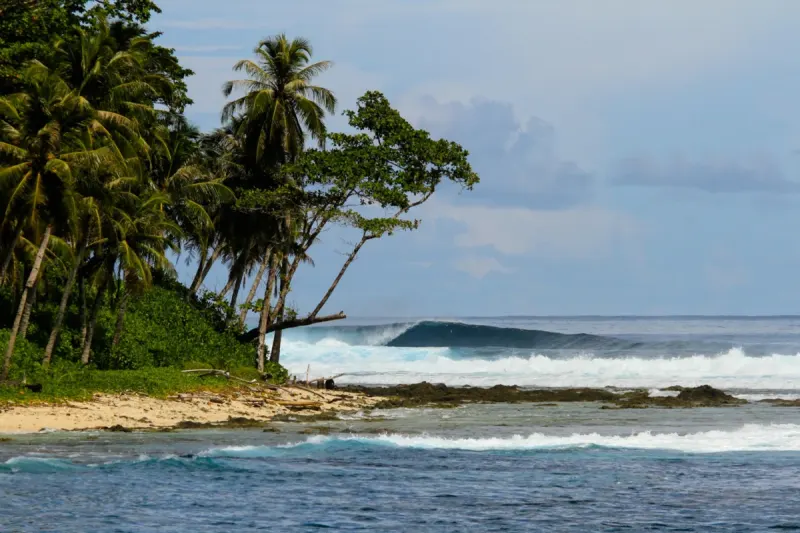
The Mentawais, reached by fast ferry from Padang or by charter, have some of the most famous waves on earth, including Macaronis (a left) and Lance's Right (a right). Most property here is a surf camp, resort or homestay on leased or company-held land. Indonesian law defines a small island as 2,000 square kilometers or less, which covers many of the islands where camps sit, and foreign-invested projects need a small-island utilization permit. BLS Law Firm notes that foreign use is capped at 70% of an island's area, with at least 30% kept as green or conservation space. Medical care is far away, so plan for evacuation. Mentawai real estate for sale.
Sumba and Java, briefly
Sumba, in East Nusa Tenggara, has quality reefs, a small tourism market and a Rp1 billion house minimum, but land title and community relations need extra care. On Java, G-Land at Plengkung is a long, world-class left inside Alas Purwo National Park, where private purchase isn't an option; buyers look at the wider Banyuwangi coast instead.
We love to find little pockets in Indo where there is perfect surf, beautiful jungle and opportunity for a surfer to find their slice of heaven.
Jim Habig, Director ISP
Seasons, crowds and reef safety
CoastBest seasonWhyBali west and south (Bukit, Canggu, Medewi)Dry season, about April to OctoberSouthern Ocean groundswell plus offshore or cross-offshore southeast tradesBali east (Keramas)Wet season, about November to MarchWesterly and northwesterly winds blow offshoreLombok and Sumbawa south coastsDry seasonSame swell window; many reefs favor the tradesMentawai IslandsAbout April to OctoberPeak groundswell season and peak camp bookings
Crowds. Uluwatu, Padang Padang and Canggu are notoriously crowded in the dry season, and Keramas draws crowds when it fires. Lombok, Sumbawa and the Mentawais are quieter, but the best waves are shared with boat trips and camp guests. Respect local surfers and lineup etiquette, especially as a new resident.
Reef safety. Most Indonesian breaks are over shallow coral or rock. Learn the tide windows for each spot, wear booties where locals do, and know the entry and exit points before paddling out, as currents run strongly around many reefs and points. Clean reef cuts quickly, because they infect easily in the tropics. On remote islands, keep a proper first-aid kit and know how you would reach a hospital.
Frequently asked questions
Can foreigners buy property in Bali?
Yes, but not freehold land. Foreigners can hold a house or apartment under Hak Pakai if they meet the immigration and minimum-price rules (Rp5 billion for a house in Bali), lease property from an Indonesian owner, or hold land through a PT PMA with an HGB title.
Is a Bali leasehold a safe investment?
It can be, if the landowner's title is clean, the zoning allows your use, and the contract includes a clear extension clause, an heirs clause and the right to sell or sublease. Remember that a lease loses value as its term runs down.
Can I rent out my villa on Airbnb?
Only with the right licenses. Foreigners can't hold a Pondok Wisata license, so a legal rental business generally needs a PT PMA with an NIB, building approvals and hotel-tax registration. Unlicensed listings face enforcement and removal from booking platforms.
What is the minimum price for a foreigner to buy a house in Indonesia?
It depends on the province under Ministerial Decree 1241/2022: Rp5 billion for a house in Bali, Jakarta and Java's main provinces, Rp3 billion in West Nusa Tenggara (Lombok and Sumbawa), and Rp1 billion in many other provinces, including West Sumatra. Apartments have lower thresholds.
Does buying property give me a visa?
No. Property and residence are separate. You need a KITAS, KITAP or second home visa to live in Indonesia. The second home visa is based mainly on funds of at least Rp2 billion held in an Indonesian state bank.
Is buying through an Indonesian friend's name legal?
No. Nominee arrangements are void under national law, and Bali's Perda 4/2026 now bans them outright with sanctions. You could lose the property with no legal remedy.
How long does a PT PMA last?
The company itself continues as long as it stays compliant. Its HGB land title runs 30 years, extendable by 20 and renewable for another 30, up to 80 years.
The bottom line
Indonesia rewards buyers who do things properly. Choose the route that fits how you'll use the property: Hak Pakai for a personal home, a well-drafted lease for a surf villa, or a PT PMA if you're running a rental or camp. Then confirm the zoning, the setback, the permits and the licenses before you pay. The foreigners who get hurt are almost always the ones who took a shortcut: a nominee, a green-zone plot, or rental income from a villa that was never licensed.
If Indonesia is on your list, browse Indonesia surf properties and all surf properties for sale, explore waves on our surf breaks map, and compare other markets in our guide to the best surf towns to live and buy property. If you own a surf villa, camp or land in Indonesia, you can list your property with us.
Sources
ASEAN Briefing, "Indonesia's Omnibus Law: Relaxed Foreign Ownership Laws on Real Estate": https://www.aseanbriefing.com/news/indonesias-omnibus-law-relaxed-foreign-ownership-laws-on-real-estate/
BLS Law Firm & Partners, "Can Foreigners Own Property in Indonesia? A Complete Legal Guide": https://blslaw.org/can-foreigners-own-property-in-indonesia-a-complete-legal-guide/
detikProperti, minimum home prices for foreigners under Decree 1241/2022 (Indonesian): https://www.detik.com/properti/berita/d-6857342/harga-rumah-yang-boleh-dibeli-dan-dimiliki-orang-asing-di-indonesia
AYMP Law, "Residential Property Ownership by Foreigners in Indonesia" (PP 103/2015): https://www.aymp.law/publication/detail/Residential-Property-Ownership-by-Foreigners-in-Indonesia
Leks&Co, "Murky Waters of Foreign Ownership over Property in Indonesia": https://blog.lekslawyer.com/murky-waters-of-foreign-ownership-over-property-in-indonesia/
Alpha Partner Bali, "Freehold in Bali in 2026: What foreign buyers actually own": https://alphapartnerbali.com/freehold-bali-foreigners-2026/
Bali Provincial Government (TARU Bali), Perda 4/2026 on productive land and nominee ownership (Indonesian): https://tarubali.baliprov.go.id/implementasi-kebijakan-pengendalian-alih-fungsi-lahan-produktif-di-bali-penguatan-ketahanan-pangan-perlindungan-lanskap-budaya-dan-pencegahan-praktik-nominee/
Bali Provincial Government (TARU Bali), KKPR spatial suitability (Indonesian): https://tarubali.baliprov.go.id/kesesuaian-kegiatan-pemanfaatan-ruang-kkpr/
Presidential Regulation 51/2016 on the coastal setback, Article 1 (Indonesian): https://pasal.id/peraturan/perpres/perpres-no-51-tahun-2016/pasal-1
ATD Law in association with Mori Hamada, "BKPM Regulation 5/2025: Key Updates": https://atdmorihamada.com/bkpm-regulation-5-2025-key-updates-to-the-implementation-of-business-licensing-under-gr-28-2025/
XPND, "BKPM Regulation 5/2025: What It Means for Your PT PMA": https://xpnd.co.id/regulatory/bkpm-regulation-5-2025-pt-pma-capital-implications/
EY Indonesia, "PMK 131: New calculation of VAT payable": https://www.ey.com/en_id/technical/tax-alerts/pmk-131-new-calculation-of-vat-payable
ANTARA News, VAT incentive for housing extended to 2026 (Indonesian): https://www.antaranews.com/berita/5125272/pemerintah-perpanjang-insentif-ppn-dtp-perumahan-hingga-2026
Bali Property Rules, "What Foreigners Actually Pay to Buy Property in Bali (2026)": https://balipropertyrules.com/guides/bali-property-costs-foreigners/
Bali Property Rules, "Bali Villa Licensing for Foreigners: 2026 Guide": https://balipropertyrules.com/guides/bali-villa-licensing-foreigners/
ABC News, "Bali officials begin demolishing Bingin Beach tourist spots" (July 2025): https://www.abc.net.au/news/2025-07-22/bali-crackdown-on-bingin-beach-tourist-villas-restaurants/105558256
The Jakarta Post, "Bali to clamp down on illegal foreign-owned businesses" (June 2025): https://www.thejakartapost.com/indonesia/2025/06/04/bali-to-clamp-down-on-illegal-foreign-owned-businesses.html
The Jakarta Post, "Bali tightens crackdown on unlicensed tourist accommodation" (May 2026): https://www.thejakartapost.com/business/2026/05/25/bali-tightens-crackdown-on-unlicensed-tourist-accommodation.html
ASEAN Briefing, "What are the Requirements for Indonesia's Second Home Visa?": https://www.aseanbriefing.com/news/indonesia-to-issue-second-home-visa-what-are-the-requirements/
Emerhub, "Second Home Visa Indonesia (E33)": https://emerhub.com/indonesia/visas/second-home-visa/
BLS Law Firm & Partners, "Investing in Indonesia's Small Islands": https://blslaw.org/investing-in-indonesias-small-islands-a-legal-guide-to-island-utilization-permits-for-foreign-investors/
The Surf Atlas, "Keramas Surfing": https://thesurfatlas.com/bali-surf/keramas-surfing/
The Surf Atlas, "Sumbawa Surfing & Travel Guide": https://thesurfatlas.com/surfing-indonesia/sumbawa-surfing/
About the author
Jim Habig is the founder of International Surf Properties, a marketplace for surf-front and beachfront real estate around the world. A lifelong waterman and real estate professional, Jim started ISP to connect surfers and ocean lovers with homes and land near the waves they love, and to help them buy with clear, practical information. ISP is a listings marketplace, not a law firm; always work with independent local legal and tax professionals on any purchase.
Tags

Keep Reading
More From the Blog
 Buying & OwnershipBaja California
How to Sell Property Abroad as a US Owner: Taxes, Process and Timelines in Costa Rica, Mexico, Panama, Nicaragua and El Salvador
October 14, 2026
 Buying & Ownership
Wave Pool Homes: The 2026 Guide to Buying Real Estate in a Surf Park Community
October 11, 2026
 Buying & Ownership
Rosarito Real Estate: The 2026 Guide to Buying a Surf Home in Rosarito, Ensenada and Northern Baja
October 11, 2026