
Puerto Rico Real Estate for Surfers: The 2026 Guide to Buying in Rincón, Aguadilla, Isabela and Beyond
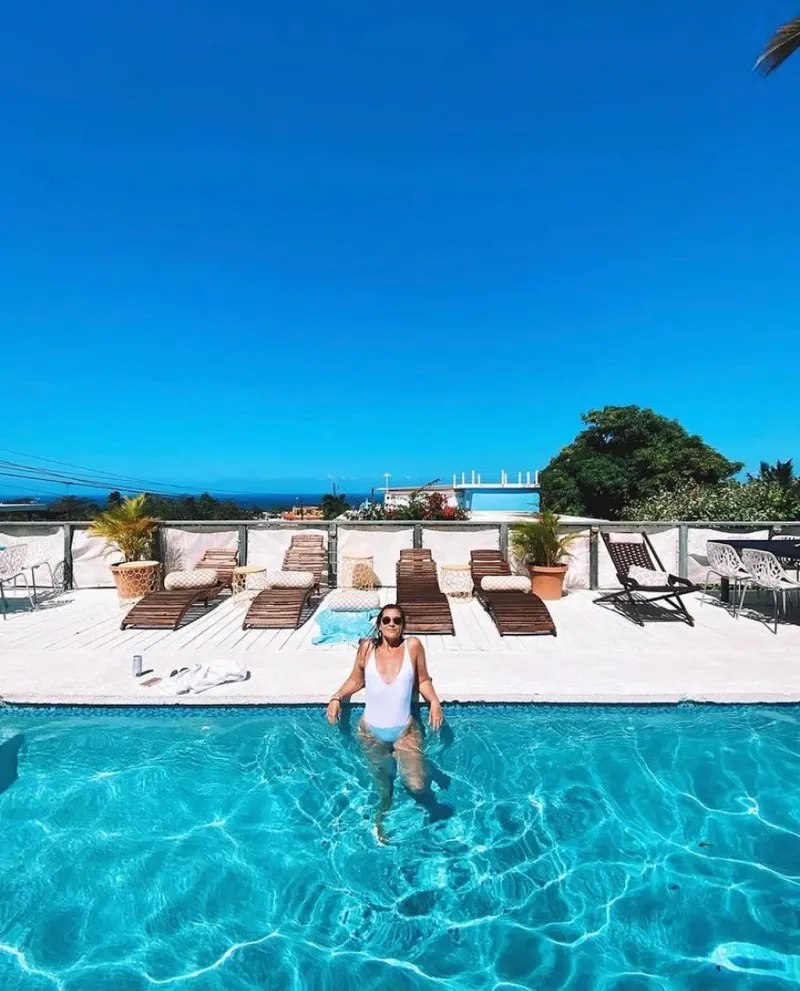
Puerto Rico is the one Caribbean surf destination where an American buyer doesn't need a passport, a currency exchange or a foreign-ownership workaround. It is a US territory, it uses the US dollar, and anyone can hold title in their own name. Each winter, North Atlantic storms send swell into the reefs and points of the northwest corner, from the famous breaks of Rincón to the cliffs of Aguadilla and the beaches of Isabela.
That ease is real, but it can make buyers careless. Puerto Rico's property law comes from the Spanish civil-law tradition, so closings run through an attorney-notary rather than a title company. Property tax is set by an agency most mainlanders have never heard of, CRIM. Every beach on the island is public. The power grid is still fragile nearly a decade after Hurricane Maria, and the Act 60 tax incentive that drew many newcomers was rewritten in 2026. This guide covers each of those points in plain English, then walks through the surf towns buyers ask us about most.
Quick answer: Anyone, including US mainland buyers and foreigners, can buy and hold Puerto Rico real estate in their own name. Purchases usually start with an option contract and a deposit, followed by a title study at the Property Registry, and close when an attorney-notary signs a public deed (escritura) that is then recorded. Budget for notary, stamp and registry fees, CRIM property tax, hurricane and flood insurance, and backup power and water. The land along the shore up to where the sea and storm waves reach is public, so you can't own the beach itself. If you're relying on Act 60, note that applications filed after December 31, 2026 face a new 4% rate.
Not legal or tax advice. This article is general information only. Puerto Rico's tax, property, permit and rental rules change often and apply differently to each buyer. Before you sign anything or send money, hire an independent Puerto Rico attorney, and get tax advice from a professional who knows both Puerto Rico and US federal rules.
Table of contents
Why surfers buy in Puerto Rico
The surf case is simple. Puerto Rico sits in the path of North Atlantic groundswell, and from roughly late fall to early spring, low-pressure systems far to the north send swell into the island's north- and west-facing coasts. The northwest corner, where the coast bends from north-facing to west-facing, gets the most of it. Rincón's reefs and points can be clean when the north coast is blown out, and the north coast picks up swell that Rincón misses. Warm water means no wetsuit for most of the year.
Rincón has been on the surf map since the 1968 World Surfing Championships, which were held mostly at Domes and Marías. In 2024, Puerto Rico hosted the ISA World Surfing Games at Margara in Arecibo, the final qualifying event for the Paris 2024 Olympics, which drew more than 260 surfers from 55 countries according to the International Surfing Association.
The practical case is just as strong for mainland buyers. Direct flights land in San Juan and in Aguadilla, at the doorstep of the northwest surf coast. You use the same dollars, banks, cell plans and, in most cases, mortgage products you use at home. And unlike most surf markets in Latin America and Asia, there is no trust, lease or local company standing between you and your title.
[JIM TO ADD: a firsthand note about surfing or visiting property in Puerto Rico, and what first drew you or ISP buyers to the island.]
Can Americans and foreigners buy property in Puerto Rico?
Yes. There are no foreign-ownership restrictions on Puerto Rico real estate. US citizens, residents of other states and foreign nationals can all buy houses, condos and land and hold title in their own name, through a company or, in some cases, a trust. That makes Puerto Rico very different from Mexico, where foreigners buying within 50 km of the coast use a bank trust, and from Indonesia, where foreigners can't hold freehold land at all. If you're comparing markets, our guide to whether Americans can buy property in Mexico covers the trust system there.
What's different is the legal plumbing:
Civil law, not common law. Puerto Rico's property law descends from Spanish civil law. Deeds are public instruments that only an attorney-notary (notario) can prepare and authorize.
The Property Registry. Ownership and liens are recorded at the Registro de la Propiedad, which runs an electronic filing system called Karibe. Rights become effective against third parties once they are recorded.
No title company at the closing table. The notary acts as a neutral drafter and certifier for all parties. Title insurance is available, but it must be issued by a title agent licensed in Puerto Rico, and it isn't automatically part of every cash deal.
Spanish. Deeds and many official records are in Spanish. Your attorney should explain every document you sign.
The Puerto Rico real estate market in 2026
The Puerto Rico real estate market has been strong. In the Federal Housing Finance Agency's house price index for the first quarter of 2026, Puerto Rico recorded the strongest annual appreciation of any state or territory, up 16.3% from a year earlier, according to the National Association of Home Builders' analysis of the data. In the second quarter of 2026, prices dipped 2.6% from the first quarter while still showing an annual gain. Treat both numbers as islandwide averages: coastal surf towns, San Juan condos and inland homes move differently.
Two forces pull in opposite directions. Demand from mainland buyers, remote workers and Act 60 relocators has pushed up prices in places like Dorado, San Juan's beach neighborhoods and Rincón. Meanwhile, the island's population is shrinking. The US Census Bureau counted 3,285,874 people in 2020, down 11.8% from 2010, and estimated about 3.2 million in July 2024, with all 78 municipalities losing population. That mix produces a two-speed market: competitive for ocean-view and walk-to-the-surf homes, softer for ordinary inland housing.
Rising prices have also caused friction. In Rincón, residents protested for more than a year over a beachfront condominium's pool and wall at Playa Los Almendros, where critically endangered hawksbill turtles nest; a court ordered the construction removed, and activists began tearing down the wall themselves in 2022. Buyers should know that housing costs, beach access and newcomers' tax breaks are live political issues on the island, not background noise.
Distressed property and auctions. Searches for Puerto Rico real estate auctions are common. Foreclosure sales and bank-owned homes do come up, but they need the same title, CRIM, permit and structural checks as any other purchase, often with less chance to inspect. Many storm-damaged or long-vacant houses also have unclear title from informal inheritance, so run a full title study before bidding.
How buying property in Puerto Rico works, step by step
Get your financing or proof of funds in order. Mortgages are available in Puerto Rico through local and mainland lenders. Ask your lender early about flood and windstorm insurance requirements, since they affect your monthly cost.
Make an offer and sign an option contract. Instead of a mainland-style purchase agreement, Puerto Rico deals commonly use an option agreement (contrato de opción de compraventa). It gives you the exclusive right to buy at an agreed price for a set period, typically 60 to 90 days. You pay option money to secure it, commonly around 5% and sometimes up to 10%, which is generally non-refundable if you don't close. Negotiate written contingencies for financing, inspection, title and permits, and hold the deposit in escrow where possible.
Hire your own attorney. The closing notary is neutral and represents neither side. Your own Puerto Rico attorney should review the option contract and the deed, and run the due diligence below.
Order the title study. A title study (estudio de título) searches the Property Registry for the registered owner, mortgages, liens, easements and pending filings. Copies of recorded documents usually aren't available from the Registry itself, so your attorney may need to get them from the parties or the notarial archives.
Check CRIM and association debts. Get a CRIM debt certification showing property taxes are paid, confirm the cadastral (catastro) number matches the property, and, for condos, get a certification from the association that dues and special assessments are paid.
Inspect and survey. Hire a licensed engineer or inspector for the structure, roof, cistern, electrical and solar systems, and a surveyor for boundaries and the line of the maritime-terrestrial zone if the lot is on the beach.
Sign the deed. On closing day, the buyer, seller (or their attorneys-in-fact), any lender and the notary sign the public deed of purchase and sale (escritura de compraventa). Wire funds a day or two ahead, as the notary instructs.
Record and register. The notary files the deed with the Property Registry through Karibe. Then register as the new owner with CRIM and, if the home will be your primary residence, apply for the residential exemption.
Closing costs and who pays
Closing costs in Puerto Rico have a few fixed government components and several items that are negotiable. Here is a guide based on Puerto Rico title and notary sources:
| Item | Typical amount | Who usually pays | Notes |
|---|---|---|---|
| Notary fees for the deed | Set by law: about 1% of the first $500,000 and 0.5% above that | Often the seller for the original deed; negotiable | Additional notary work (option contract, mortgage deed, certified copies) is billed separately |
| Internal revenue stamps on the deed | Roughly 0.1% to 0.15% of the price | Customarily the seller for the original deed; the buyer for the certified copy | Your notary calculates the exact amount |
| Registry recording fees | A sliding scale; roughly 0.4% of value | Buyer | Seller pays to cancel their own mortgage |
| Mortgage stamps, notary and lender fees | Varies | Buyer | Only if you finance |
| Title study and title insurance | Varies | Buyer | Title insurance must come from a Puerto Rico-licensed title agent |
| Your own attorney, inspection and survey | Varies | Buyer | Worth every dollar |
One title insurer puts transaction-related government and notary fees at no less than about 1.5% of the transaction value in total. Local brokers commonly tell financed buyers to budget roughly 2% to 5% of the price for all buyer closing costs, including lender fees and prepaid taxes and insurance. Who pays which item is a matter of contract, so put it in writing in the option agreement.
Capital gains, rental income and estate questions are another matter: they depend on whether you're a Puerto Rico resident, a mainland resident or a foreign buyer, so get tax advice before you buy.
Property tax: how CRIM works
Real property tax in Puerto Rico is administered by the Centro de Recaudación de Ingresos Municipales (CRIM), the municipal revenue collection center, not by each town's assessor.
The tax base is old. CRIM values property on a 1957 replacement-cost basis rather than the price you paid, so the assessed value is usually well below market value.
Rates vary by municipality. Combined rates are roughly 8% to 11% or more of that assessed value, depending on the town, and include several state and municipal components.
Primary-residence exemption. An owner-occupant can exempt up to $15,000 of assessed value on one principal residence. It isn't automatic: you request it from CRIM (Form AS-38), and Spanish-language guides say to file by January 1 following your purchase. Rented property doesn't qualify. Veterans may get an additional $5,000 exemption.
Payments. Bills are typically paid in semiannual installments, and CRIM runs an online portal.
Because of the 1957 basis, many buyers find CRIM bills low compared with mainland property taxes, but don't guess. Ask your attorney or broker for the current CRIM bill, check that the property is correctly registered with CRIM (new construction and additions sometimes aren't), and get an estimate of the post-sale bill.
Act 60 in 2026: what changed
Act 60 of 2019, Puerto Rico's Incentives Code, consolidated the old Act 20 (export services) and Act 22 (individual investors) programs. The best-known part for real estate buyers is the Resident Individual Investor decree, which has offered new residents a 0% Puerto Rico tax rate on Puerto Rico-source interest, dividends and capital gains that accrue after they move.
On March 10, 2026, Governor Jenniffer González-Colón signed Act 38-2026, the largest amendment to the code since it was enacted. According to summaries by Kevane Grant Thornton and other firms:
| Item | Applications filed by December 31, 2026 | Applications filed from January 1, 2027 |
|---|---|---|
| Tax on interest and dividends | 0% | 4% |
| Tax on capital gains accrued after moving | 0% | 4% |
| Program sunset | Benefits through 2035 | Benefits through 2055 |
| Prior-residency rule | Not a Puerto Rico resident between January 17, 2006 and January 17, 2012 | No Puerto Rico residency in the 6 years before moving |
Some requirements continue for decree holders:
Buy a home. Decree holders must buy a property in Puerto Rico as their primary residence within two years of receiving the decree. Under the amended rules, the residence must be owned directly or through a qualifying trust, not through an LLC.
Donate $10,000 a year to qualifying Puerto Rico nonprofits, with half going to organizations on the government's list that address child poverty.
File an annual report with the Department of Economic Development and Commerce (DDEC). Act 40-2020 raised the annual report fee for individual investors from $300 to $5,000.
Actually live there. A decree doesn't make you a bona fide resident for US tax purposes. Under IRS Publication 570, you must meet a presence test (for example, 183 days in Puerto Rico in the tax year), have no tax home outside Puerto Rico and have no closer connection to the US mainland or another country.
Two cautions. First, as of the reports we reviewed, Act 38-2026 was described as subject to final review by the federal Financial Oversight and Management Board for Puerto Rico. Second, enforcement is real: Tax Notes reported in October 2025 that Puerto Rico was stepping up Act 60 compliance enforcement, and the IRS has long scrutinized Act 20/22 claims. Act 60 can make sense for the right person, but it should never be the only reason you buy a house, and it requires specialist advice from both a Puerto Rico and a US tax adviser.
Beaches are public: the maritime-terrestrial zone
This is the rule that most surprises mainland buyers. In Puerto Rico, the shoreline is public domain. The zona marítimo-terrestre is defined by the Ports and Docks Act of 1968 as the part of the coast bathed by the sea in its ebb and flow where tides are noticeable, and by the largest storm waves where they are not. It also covers land gained from the sea and river banks up to where they are navigable or tidal.
Practically, that means:
You can't own the beach. Puerto Rico beachfront real estate ends where the maritime-terrestrial zone begins. Anyone can walk the beach in front of your house.
Only the DRNA draws the line. The Department of Natural Resources and Environmental Resources (DRNA) is the only agency authorized to set the inland limit of the public zone, through a procedure called deslinde under DRNA Regulation 4860. The DRNA has built an official geodetic reference network to support those surveys.
Structures in the zone are a problem. Seawalls, pools, decks and stairs on public land can be ordered removed, and in some places, communities have protested. The Rincón condominium dispute described above began with a pool rebuilt after Hurricane Maria and extended toward the beach.
Protected areas add another layer. Rincón's Tres Palmas Marine Reserve, established in 2004 after a community campaign led by Surfrider Rincón and local residents, protects reef and elkhorn coral habitat. Turtle nesting beaches, mangroves and wetlands carry their own restrictions.
Before you buy a beachfront home, ask whether a deslinde has been done for the lot, and have a surveyor show you on the ground where private land ends.
Permits, flood zones and building on the coast
Permits. Act 161-2009 created the Permits Management Office (OGPe), which handles construction permits, use permits and related approvals through an online Single Business Portal. Residential use needs a residential use permit, and commercial uses, including many rental operations, need a single permit (Permiso Único) that bundles the use permit, fire and health certifications. Some municipalities with delegated powers issue their own permits. Ask the seller for the construction and use permits for the house and every addition, and check that they match what's built. Unpermitted second floors, pool decks and guest units are common in coastal towns.
Flood maps. After Hurricanes Irma and Maria, FEMA and Puerto Rico's Planning Board (Junta de Planificación) produced Advisory Base Flood Elevation (ABFE) maps, which the Planning Board adopted on March 23, 2018. They show higher recommended building elevations than older maps in many areas. Check both FEMA's Flood Map Service Center and the Planning Board's interactive flood map portal for the exact lot. In coastal V and VE zones, FEMA notes an added hazard from storm waves.
Land. If you're looking at Puerto Rico land for sale to build a surf house, confirm zoning, legal road access, the water and power hookups, and the flood and maritime-zone lines before you pay the option money. A cheap lot that can't get a permit is not cheap. Browse current lots and land listings to compare.
Hurricanes, insurance, power and water
Hurricanes. Atlantic hurricane season runs from June 1 to November 30. Hurricane Maria made landfall near Yabucoa on September 20, 2017 as a strong Category 4 storm with sustained winds of about 155 mph, according to the National Weather Service in San Juan. Hurricane Fiona came ashore in southwestern Puerto Rico in September 2022 as a Category 1 storm, but its rainfall, more than 27 inches in places, caused widespread flooding and an islandwide blackout. A lower category doesn't mean lower damage.
Insurance. Get quotes for windstorm and flood coverage before you sign the option contract. Ask about hurricane deductibles, which are often a percentage of the insured value rather than a fixed amount, and whether the roof, solar panels and cistern are covered. Flood insurance is a separate policy, and FEMA notes there is typically a 30-day waiting period before a new NFIP policy takes effect. Concrete construction, impact windows or shutters and an engineer's report on the roof all help.
Power. The grid remains the island's biggest quality-of-life issue. On April 16, 2025, an islandwide blackout cut power to about 1.4 million customers and left more than 400,000 without water. In December 2025, the government sued LUMA Energy, the private operator of the transmission and distribution system, in its push to cancel LUMA's contract, and that fight was still in the courts in October 2026. Power is also expensive: the Associated Press reported in October 2026 that the residential rate had risen to 33.86 cents per kWh, against a US mainland residential average of 18.3 cents.
That's why rooftop solar with batteries is now standard on many coastal homes. Act 10-2024 extended Puerto Rico's net metering policy, although the Oversight Board challenged the law in federal court. When you buy a house with solar, ask for the system's age, battery warranty, interconnection agreement and maintenance records, and remember that salt air shortens the life of inverters and mounting hardware. A generator or battery backup is not optional in surf towns.
Water. Many homes have a cistern (cisterna) and pump so they keep water when the public supply drops, which it often does when the power fails. Check the cistern's size, condition and cleaning history, and whether the pump runs on backup power. Rural lots may also rely on a well or a community system, so confirm the source and permits.
Short-term rentals: registration, room tax and new rules
Many buyers plan to rent their surf house when they're not there, and Puerto Rico's surf vacation rental market is active. The rules have several layers:
Tourism Company registration. Short-term rentals, generally stays of under 90 consecutive days, must register with the Puerto Rico Tourism Company (PRTC) as a lodging operator (hostelero) and receive a registration number.
Room occupancy tax. Under Act 272-2003, short-term rentals collect a 7% room tax and file monthly returns with the PRTC, due by the 15th of the following month. Platforms such as Airbnb collect and remit the tax for bookings made through them, but hosts still have to file.
Treasury registration. Hosts register as merchants with the Department of the Treasury (Hacienda) through its SURI system, and rental income is taxable.
Municipal rules. Some towns regulate STRs directly. San Juan's ordinance, in force since May 2023, requires an annual license, priced at $100 for shared units and $500 for whole units, with penalties that can bar repeat offenders from holding a license.
Condo and HOA rules. Many condominium regimes restrict or ban short-term rentals. Read the master deed and bylaws before you buy condos for sale in Puerto Rico with rental income in mind.
What may change. In November 2025, the Puerto Rico Senate passed Senate Bill 238, which would create mandatory municipal registries and uniform licenses for short-term rentals in all 78 municipalities and send 1 percentage point of the 7% room tax to the towns. It then went to the House. As of our latest check in 2026, it had not become law, but confirm the current status with your attorney before you count on rental income.
Due-diligence checklist
For a full framework, see our guide on how to evaluate a surf property. For Puerto Rico specifically, check:
Title study from the Property Registry showing the seller as registered owner, with no liens, annotations or pending filings
Any heirs or co-owners who must sign, especially on inherited properties
CRIM debt certification, correct cadastral number and whether improvements are registered
Condominium or HOA certification of paid dues, plus the rules on rentals, budget and reserves
Construction and use permits for the house and every addition
FEMA and Planning Board ABFE flood zone and the lot's actual elevation
Distance to the maritime-terrestrial zone, any DRNA deslinde, and no structures on public land
Protected-area status (marine reserves, turtle nesting beaches, mangroves, wetlands)
Legal road access, and how you'll actually reach the break
Roof condition and hurricane hardening: shutters or impact glass, connections and drainage
Solar, battery and generator condition, warranties and interconnection agreement
Cistern size, condition and pump backup; water source for rural lots
Windstorm and flood insurance quotes obtained before signing
PRTC registration, room tax history and municipal license if you're buying a rental
Written option contract terms: deposit, period, contingencies and who pays each closing cost
For Act 60 buyers: the residence ownership and timing rules, confirmed with a tax adviser
The surf regions, town by town
Browse all Puerto Rico surf properties, or widen your search to the Caribbean. The surf breaks below are on our surf breaks map.
Rincón
Rincón is the center of Puerto Rico surfing and the best-known address for Rincón Puerto Rico real estate. The town sits on the island's west-facing tip, and its breaks pick up North Atlantic swell that wraps around the point. Domes, named for the decommissioned nuclear plant's dome nearby, and Marías are the core reef and point breaks, and they hosted most of the 1968 World Championships. Sandy Beach is a more forgiving option with a strong expat and rental scene. Tres Palmas, inside the marine reserve, is the island's big-wave spot: it only breaks on the largest swells, and surf writers describe waves of 20 feet and more there.
Property ranges from small inland houses and condos to hillside villas with ocean views and a limited supply of true beachfront. Much of the town's housing climbs steep hillsides above the coast road, so check access roads and drainage. The rental market is deep in winter and quieter in summer. Rincón suits surfers who want the island's best concentration of quality waves and an established surf community, and who are comfortable with crowds and higher prices on the best streets. The tensions around beach development are most visible here too.
How surf tourism shapes Rincón's economy. Surfing is what put Rincón on the map: visitors have come for its waves since the town hosted the 1968 World Surfing Championships, and the winter swell season, roughly November to March, still sets the rhythm of its vacation rentals, guesthouses, surf schools and restaurants. For a buyer that means a rental market that is deep in winter and quieter in summer, prices pushed up on the streets closest to the breaks, and residents who watch beachfront development closely. The Tres Palmas Marine Reserve, created in 2004 after a community campaign, protects the reef that much of this visitor economy depends on. Browse surf property for sale in Rincón.
Aguadilla
Aguadilla real estate covers the coast from the town center north to the former Ramey Air Force Base. The regional airport, Rafael Hernández (BQN), sits on the old base, which makes Aguadilla the most convenient surf town for mainland flights. Wilderness is a powerful reef break below the cliffs that handles big north swells, with fast lefts and rights over flat rock for intermediate to advanced surfers. Surfer's Beach, also near Ramey, and Crash Boat, a pier-side beach on the west-facing coast, round out a varied menu.
Housing ranges from modest homes in the old base neighborhoods to cliff-top villas, with some resort communities along the coast. Aguadilla suits buyers who want easy flights, everyday services and a range of breaks, and who prefer more of a real town than a surf village.
Isabela
Isabela Puerto Rico real estate stretches along a north-facing coast of beaches, low cliffs and reefs. Middles is a punchy reef-and-beach setup that throws barrels on head-on north swells and has strong currents. Jobos is a long headland break known for long rides when it works and for its beginner-friendly inside, with a busy strip of surf schools and bars nearby. Other reefs and beach breaks fill out the coast.
Isabela has a mix of beach condos, villas and inland farmland, and it tends to feel quieter than Rincón. It suits surfers who want a north-shore base for winter swells, families who want room, and buyers looking for land.
Arecibo and Hatillo
East along the north coast, Arecibo and Hatillo are less touristy, with beach breaks and heavy reefs. Margara in Arecibo, sometimes called Puerto Rico's Pipeline, is a shallow, powerful reef for experts, and with the nearby peaks of El Pico and Rastrial it hosted the 2024 ISA World Surfing Games. Property here is mostly local housing rather than vacation homes, which can mean better value but a thinner rental market. These towns suit experienced surfers who want to live within reach of both the northwest breaks and San Juan.
San Juan and the metro coast
San Juan has surf within the city. La Ocho, just west of Escambrón in Puerta de Tierra, is a right off a rocky reef, mushy at times but with long walls when there's size, plus a left nearby. Aviones, in Piñones just east of the city in Loíza, is a consistent reef break for most levels. The metro area offers the island's widest choice of condos for sale in Puerto Rico, hospitals, schools and an international airport, but surf quality is less consistent than in the northwest. San Juan suits buyers who need a city base and surf when it's on.
Dorado
Dorado, west of San Juan, is the home of Puerto Rico luxury real estate in gated resort communities such as Dorado Beach, with golf, marinas and private beach clubs, alongside more conventional neighborhoods. Dorado real estate is popular with Act 60 relocators. The surf is not the attraction here; it's a base within reach of San Juan's breaks and an easy drive west to the north coast. Dorado suits buyers who put services, schools and security first.
Luquillo and the east
Luquillo real estate sits between El Yunque National Forest and the Atlantic, east of San Juan. La Pared, a block from the town square, is an exposed beach break with a breakwall. It's often working, is good for learning, and can get hollow and powerful a few times a year. The east coast picks up northerly swells and trade-wind swell, but strong onshore trades are common. Luquillo suits buyers who want a small beach town close to the city and the rainforest, and a mix of surf and calm beaches nearby.
Cabo Rojo and the southwest
Cabo Rojo real estate is popular for its beaches, salt flats and laid-back Caribbean coast, but the south and southwest coasts don't get the winter North Atlantic swells that power the northwest, so it isn't a primary surf base. It's an option for buyers who want calm water and lower density within a drive of Rincón. Note that Hurricane Fiona made landfall in the southwest in 2022.
[JIM TO ADD: a firsthand note on one of these towns, such as a winter session in Rincón or Isabela, or what ISP buyers are looking for on the west coast.]
Surf towns compared
Prices move quickly, and the public data is inconsistent. When we checked portals in October 2026, quoted "median" prices for Rincón alone ranged from under $400,000 to more than $650,000 depending on the source and whether they counted listings or sales. One luxury brokerage's west coast listings ran from $425,000 to $14.5 million. Use the relative levels below as a starting point, then pull recent closed sales for the exact street.
| Town | Key breaks | Wave character | Best season | Relative price level | Best for |
|---|---|---|---|---|---|
| Rincón | Domes, Marías, Sandy Beach, Tres Palmas | Reef and point breaks, from mellow to big-wave | Winter (about Nov to Mar) | High near the breaks; more moderate inland | Committed surfers, rental investors, surf community |
| Aguadilla | Wilderness, Surfer's Beach, Crash Boat | Powerful reefs plus beach breaks | Winter | Moderate, with luxury cliff-top homes | Easy flights, everyday services, families |
| Isabela | Middles, Jobos | Reef and beach breaks; heavy currents at Middles | Winter | Moderate | North-shore swell, space, land buyers |
| Arecibo / Hatillo | Margara, El Pico, Rastrial | Heavy reefs and beach breaks | Winter | Lower; mostly local housing | Experienced surfers seeking value |
| San Juan | La Ocho, Aviones | Reef breaks, less consistent | Winter | High for beachfront condos | City living with surf on the side |
| Dorado | Drive to San Juan or the north coast | Limited local surf | Winter | Highest in resort communities | Luxury, schools, security |
| Luquillo | La Pared | Exposed beach break | Year-round, best on north swells | Moderate | Beginners, small-town beach life near San Juan |
| Cabo Rojo | Little regular surf | Mostly calm Caribbean water | N/A | Moderate | Calm beaches within reach of Rincón |
If you're also considering buying a guesthouse or surf camp, see our guide to surf resorts for sale and browse surf resort listings. For a home, start with villas.
Seasons, crowds and respect in the lineup
Seasons. The main surf season for the north and west coasts runs from roughly late fall into spring, when North Atlantic storms send the biggest and cleanest swells. Summer brings smaller surf and stronger east trade winds, and also hurricane season, when a passing tropical system can produce waves along with real risk. Visit in both winter and summer before you buy, and look at historical swell data from offshore buoys for the months you'll be there.
Crowds. Rincón and the Aguadilla and Isabela breaks get busy on good winter days, with locals, residents and visitors in the same lineups. Learn the etiquette, be patient and give respect before you expect it.
Hazards. Many of the best breaks are over shallow reef or rock with strong currents, including Middles and Wilderness. Learn the entry and exit points, and watch before paddling out.
Community. Puerto Rico has its own strong surf culture, going back generations. Buying a house doesn't buy you a place in the lineup or in the town. Support local businesses, keep beach access open and respect protected areas such as Tres Palmas.
Frequently asked questions
Can Americans buy property in Puerto Rico?
Yes. There are no restrictions on US citizens or foreigners owning Puerto Rico real estate. You can hold title in your own name, use US dollars and get US-style mortgages and title insurance from Puerto Rico-licensed providers. The main differences are the civil-law closing process with a notary and the public status of the beach.
Do I need a lawyer to buy a house in Puerto Rico?
The deed must be prepared and authorized by a Puerto Rico notary, who is always a licensed attorney. But the notary is neutral and doesn't represent you. It's wise to hire your own attorney to review the option contract, run the title study and check permits.
How much are closing costs in Puerto Rico?
Government stamps, registry fees and notary fees together are often around 1.5% of the price, and local brokers commonly suggest financed buyers budget about 2% to 5% for all buyer costs. Who pays which item is negotiable and should be written into the option contract.
How much is property tax in Puerto Rico?
CRIM charges rates of roughly 8% to 11% or more of the assessed value, depending on the municipality. Because assessed values are based on 1957 costs, bills are often lower than on the mainland. A primary residence can exempt up to $15,000 of assessed value if you apply.
Can I own a house right on the beach in Puerto Rico?
You can own land next to the beach, but not the beach itself. The maritime-terrestrial zone, as far as the sea and storm waves reach, is public domain, and only the DRNA can set its legal boundary. Anyone can use the beach in front of your house.
Is Act 60 still available in 2026?
Yes. Act 38-2026 extended the resident individual investor program to 2055. Applications filed by December 31, 2026 keep the 0% rate on qualifying passive income through 2035. Applications filed from January 1, 2027 face a 4% rate and a six-year prior-residency rule. Decree holders must buy a primary residence within two years and donate $10,000 a year.
Can I rent my Puerto Rico home on Airbnb?
Generally yes, if you register with the Puerto Rico Tourism Company, collect and file the 7% room tax, register with Hacienda and follow any municipal and condominium rules. San Juan requires a separate annual license, and a Senate bill passed in November 2025 would create municipal registries islandwide if enacted.
When is the best surf season in Puerto Rico?
For the north and west coasts, including Rincón, Aguadilla and Isabela, the best surf is roughly from late fall to early spring, when North Atlantic swells arrive. Summer is usually smaller and windier.
The bottom line
For a mainland American, Puerto Rico is the most straightforward surf market in the Caribbean to buy in. There are no ownership barriers, no currency risk and no trust or lease to manage. What it asks of you is local knowledge: hire your own attorney, read the title study, check the CRIM status and permits, find where the public shore begins, and price in hurricanes, insurance, solar, batteries and a cistern. If Act 60 is part of your plan, understand the 2026 changes and the residency rules, and make sure the house works for you without the tax break.
When you're ready, browse Puerto Rico surf properties and all surf properties for sale, explore waves on our surf breaks map, or compare other markets in our guide to the best surf towns to live and buy property. If you own a surf home, land or guesthouse in Puerto Rico, you can list your property with us.
Sources
Kevane Grant Thornton, "Extension and changes to Act 60 benefits for resident individual investors" (March 2026): https://www.grantthornton.pr/insights/kevane-grant-thornton/tax-alerts/03-20-2026-tax-alert--extension-and-changes-to-act-60-benefits-for-resident-individual-investors/
Procopio, "Puerto Rico Extends Act 60 Resident Investor Program to 2055 and Introduces New 4% Tax Regime for Future Applicants": https://www.procopio.com/resource/puerto-rico-extends-act-60-resident-investor-program
InCorp, "Puerto Rico Act 60 in 2026: What Act 38-2026 Changed": https://www.incorp.com/resources/knowledge-base/puerto-rico-act-60-2026-changes
MZLS, "Puerto Rico Act 60 Resident Investor Program Now Runs Through 2055": https://www.mzls.com/insights/act-60-puerto-rico-resident-investor-program-extended-to-2055-what-prospective-applicants-need-to-know
Tax Notes, "Puerto Rico Steps Up Act 60 Tax Compliance Enforcement" (October 2025): https://www.taxnotes.com/featured-news/puerto-rico-steps-act-60-tax-compliance-enforcement/2025/10/24/7t6v8
Taxes for Expats, "Puerto Rico tax incentives & Act 60: 2026 guide": https://www.taxesforexpats.com/country-guides/pr/puerto-rico-tax-incentives.html
IRS, Publication 570, Tax Guide for Individuals With Income From U.S. Territories: https://www.irs.gov/publications/p570
Title Security Group, "Purchasing Property in Puerto Rico": https://www.titlesecuritygroup.com/library/pr-transactions
The Notary Lab PR, "Real Estate Closing Costs in PR: How much, and who pays what?": https://www.thenotarylabpr.com/en/post/real-estate-closing-costs-in-pr-how-much-and-who-pays-what
Paraíso Realty, "How do I buy Real Estate in Puerto Rico?": https://www.paraisorealtypr.com/news/2023/9/12/how-do-i-buy-real-estate-in-puerto-rico
Christie's International Real Estate Puerto Rico, "Buying Real Estate in Puerto Rico: A Broker's Guide": https://christiesrealestatepr.com/blog/purchase-and-sale-process-differ-puerto-rico
Christie's International Real Estate Puerto Rico, "Puerto Rico Property Taxes: CRIM Rates & Exemptions": https://christiesrealestatepr.com/blog/residential-property-taxes-puerto-rico
Christie's International Real Estate Puerto Rico, West Coast listings: https://christiesrealestatepr.com/puerto-rico-west-coast-rincon-aguadilla-aguada-isabela
Casas Universales, "Exoneración del CRIM" (Spanish): https://www.casasuniversales.com/blog/exoneracion-crim-residencia-principal
NAHB Eye on Housing, "House Price Appreciation by State and Metro Area in the First Quarter of 2026": https://eyeonhousing.org/2026/06/house-price-appreciation-by-state-and-metro-area-in-the-first-quarter-of-2026/
NAHB Eye on Housing, "House Price Appreciation by State and Metro Area in the Second Quarter of 2026": https://eyeonhousing.org/2026/09/house-price-appreciation-by-state-and-metro-area-in-the-second-quarter-of-2026/
US Census Bureau, "Puerto Rico Population Declined 11.8% From 2010 to 2020": https://www.census.gov/library/stories/state-by-state/puerto-rico.html
News is My Business, "Census Bureau reports continued population decline in Puerto Rico": https://newsismybusiness.com/puerto-ricos-population-decline-continues-census-bureau-reports/
DRNA, official reference system for the maritime-terrestrial zone (Spanish): https://www.drna.pr.gov/historico/zmt
Ayuda Legal Puerto Rico, "¿Qué es la Zona Marítimo Terrestre?" (Spanish): https://ayudalegalpr.org/resource/zona-maritimo-terrestre
DRNA Regulation 4860 (Spanish): https://www.drna.pr.gov/permisos/documentacion/formularios/Reglamento_4860.pdf
Latino Rebels, "Activists Tear Down Illegal Construction on Puerto Rico Beach" (July 2022): https://www.latinorebels.com/2022/07/05/rinconbeachprotest/
HuffPost, "The Battle Over The Last Piece Of Puerto Rico That Wasn't For Sale": https://www.huffpost.com/entry/puerto-rico-beaches-privatization_n_6160a321e4b0cc44c50c93e3
Surfrider Foundation, "Victory for Puerto Rico's Tres Palmas Marine Reserve": https://www.surfrider.org/news/victory-for-tres-palmas-marine-reserve
OGPe, Permits Management Office: https://www.permisos.pr.gov/
Ayuda Legal Puerto Rico, "Guía para solicitar Permiso Único" (Spanish): https://ayudalegalpr.org/resource/gua-para-solicitar-permiso-nico
Puerto Rico Planning Board, "Puerto Rico Advisory Data and Products Post-Hurricanes Irma and Maria": https://maps.jp.pr.gov/wp-content/uploads/2018/06/Puerto_Rico_Advisory_Report_2018.05.23_Final_English.pdf
Puerto Rico Planning Board, interactive flood maps (Spanish): https://portaldeinundacion.jp.pr.gov/mapas/mapas-interactivos-jp/
FEMA, Flood Map Service Center: https://msc.fema.gov/portal/home
FEMA, Flood Insurance: https://www.fema.gov/flood-insurance
National Hurricane Center, tropical cyclone climatology: https://www.nhc.noaa.gov/climo/
National Weather Service San Juan, "Major Hurricane Maria - September 20, 2017": https://www.weather.gov/sju/maria2017
AccuWeather, "Rainfall from deadly Hurricane Fiona tops 30 inches in Puerto Rico": https://www.accuweather.com/en/hurricane/hurricane-fiona-devastates-puerto-rico-with-heavy-rain-flooding-and-mudslides/1249326
US Department of Energy, Hurricane Fiona situation reports: https://www.energy.gov/ceser/hurricane-fiona-situation-reports
Spectrum News, "Puerto Rico sues Luma in first push to cancel contract with power company" (December 2025): https://spectrumlocalnews.com/us/snplus/politics/2025/12/12/luma-energy-puerto-rico-
E&E News, "Puerto Rico mulls dropping Luma Energy after latest blackout": https://www.eenews.net/articles/puerto-rico-mulls-dropping-luma-energy-after-latest-blackout/
BusinessMirror (Associated Press), "Puerto Rico faces record electric rate as demand and costs increase" (October 2026): https://businessmirror.com.ph/2026/10/04/puerto-rico-faces-record-electric-rate-as-demand-and-costs-increase
Financial Oversight and Management Board for Puerto Rico, Act 10 FAQ: https://oversightboard.pr.gov/act-10-faq/
Canary Media, "Puerto Rico extended a key rooftop solar policy. Then…": https://www.canarymedia.com/articles/solar/puerto-rico-rooftop-solar-net-metering-lawsuit-fomb
Act 272-2003, Room Occupancy Rate Tax Act (English translation): https://bvirtualogp.pr.gov/ogp/Bvirtual/leyesreferencia/PDF/2-ingles/272-2003.pdf
Adrián Zayas Bruno, "Understanding Short-Term Rental Regulations in Puerto Rico": https://adrianzayasbruno.substack.com/p/understanding-short-term-rental-regulations
Delgado & Fernández, "Municipality of San Juan Enacts Ordinance to Regulate Short-Term Rentals": https://delgadofernandez.com/municipality-of-san-juan-enacts-ordinance-to-regulate-short-term-rentals/
Metro Puerto Rico, "Senado aprueba regulación de Airbnb y alquileres a corto plazo" (November 2025, Spanish): https://www.metro.pr/noticias/2025/11/17/senado-aprueba-el-marco-regulatorio-para-los-alquileres-a-corto-plazo/
International Surfing Association, 2024 ISA World Surfing Games: https://isasurf.org/event/2024-isa-world-surfing-games/
Encyclopedia of Surfing, "World Surfing Championships 1968": https://www.eos.surf/encyclopedia/world-surfing-championships-1968
The Surf Atlas, "The Ultimate Guide to Surfing in Puerto Rico": https://thesurfatlas.com/surfing-in-the-caribbean/surfing-in-puerto-rico/
Surf-Forecast, Luquillo - La Pared: https://www.surf-forecast.com/breaks/Luquillo-La-Pared
About the author
Jim Habig is the founder of International Surf Properties, a marketplace for surf-front and beachfront real estate around the world. A lifelong waterman and real estate professional, Jim started ISP to connect surfers and ocean lovers with homes and land near the waves they love, and to help them buy with clear, practical information. ISP is a listings marketplace, not a law firm; always work with independent local legal and tax professionals on any purchase.
Tags

Keep Reading
More From the Blog
 Buying & OwnershipBaja California
How to Sell Property Abroad as a US Owner: Taxes, Process and Timelines in Costa Rica, Mexico, Panama, Nicaragua and El Salvador
October 14, 2026
 Buying & Ownership
Wave Pool Homes: The 2026 Guide to Buying Real Estate in a Surf Park Community
October 11, 2026
 Buying & Ownership
Rosarito Real Estate: The 2026 Guide to Buying a Surf Home in Rosarito, Ensenada and Northern Baja
October 11, 2026