
Buying Property in Portugal as a Foreigner: The 2026 Surf Buyer's Guide to Ericeira, Peniche, Nazaré, Lisbon and the Algarve
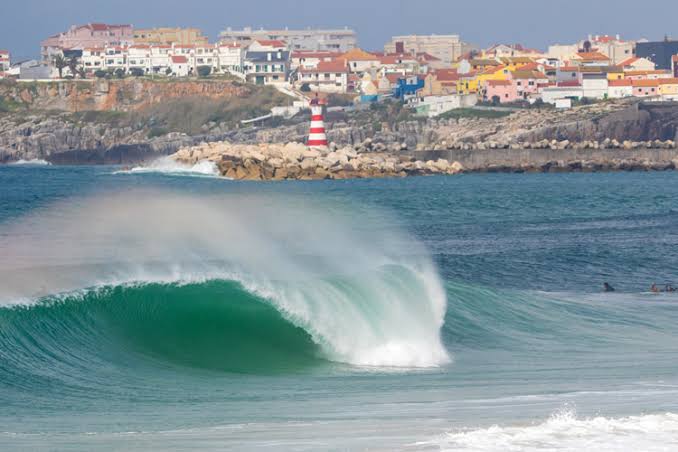
Portugal has become one of the most popular places in the world for surfers to buy a home. It has a long Atlantic coastline facing the North Atlantic's winter storms, a World Surfing Reserve within an hour of a capital city, a stop on the pro tour, the biggest waves ever ridden, and a legal system that lets foreigners own property outright.
That popularity has a cost. Prices have risen fast, towns have pushed back against short-term rentals, and the rules that made Portugal so attractive to foreigners keep changing. The real estate route to the Golden Visa is gone, the old NHR tax regime has been replaced, and since May 2026 most non-resident buyers pay a flat 7.5% property transfer tax.
This guide explains buying property in Portugal as a foreigner in plain English: paperwork, contracts, 2026 taxes, visas, rental licensing and the coastal planning rules that matter for beach property. Then it walks through the surf regions, from Ericeira and Peniche to the Algarve, Madeira and the Azores, with official price data for each.
Quick answer: Yes, foreigners can buy property in Portugal with no nationality restrictions. You need a Portuguese tax number (NIF), usually a Portuguese bank account, and, if you live outside the EU/EEA, a fiscal representative or electronic notifications. Most purchases go through a promissory contract (CPCV) with a deposit, typically around 10%, and then a public deed (escritura). Budget for IMT transfer tax, 0.8% stamp duty and fees. Since 25 May 2026, non-residents buying homes pay a flat 7.5% IMT, with refunds in some cases. Buying property no longer qualifies for the Golden Visa.
Not legal or tax advice. This article is general information only. Portuguese tax, immigration, planning and rental rules have changed repeatedly since 2023 and will keep changing, and they apply differently to each buyer. Before you sign a CPCV or send a deposit, hire an independent Portuguese lawyer (advogado) or solicitor (solicitador) and a tax adviser, and have them confirm every figure here for your transaction.
Table of contents
Why surfers buy in Portugal
Portugal's mainland coast faces west and southwest into the open North Atlantic. From autumn through spring, low-pressure systems send long-period groundswell onto that coast, and its reefs, points, harbor walls, beach breaks and the deep Nazaré Canyon give it waves for almost every level. The water is cool, so plan on a wetsuit for much of the year.
For buyers, a few things set Portugal apart from the other surf markets we cover:
Freehold ownership for foreigners. Unlike Indonesia, Portugal lets you own a house, apartment or plot in your own name.
Access. Ericeira, Peniche, Carcavelos and Costa da Caparica are within reach of Lisbon's airport; Porto and Faro serve the north and the Algarve.
Year-round towns. The main surf towns have schools, clinics, shops and residents all year.
The trade-offs are rising prices, crowded lineups, a strict coastal planning regime, and tax and immigration rules that have shifted almost every year since 2023.
“Portugal has remained a strong surf property market, with its world-class waves, stunning Atlantic coastline, welcoming communities, and growing international appeal attracting both lifestyle buyers and savvy investors. From the legendary surf breaks of Ericeira and Peniche to the laid-back coastal towns of the Algarve, Portugal offers a compelling combination of surf culture, quality of life, and long-term real estate investment potential. We continue to see opportunities for buyers seeking more than just a property — they're investing in a lifestyle built around the ocean.”
— Jim Habig, Founder & CEO, International Surf Properties
Can foreigners buy property in Portugal?
Yes. Portugal does not restrict property ownership by nationality, so a US, UK, Canadian or EU citizen can buy houses for sale in Portugal, apartments, villas and land on the same footing as a Portuguese citizen, as the law firm Harris Sliwoski notes in its 2026 guide for foreign buyers. There is no minimum price and no need for a company to hold one of the homes in Portugal for sale you find online.
What differs for foreigners is tax and paperwork: you need a NIF, non-EU/EEA non-residents face fiscal representation rules, and non-resident buyers of homes now pay a higher flat IMT rate. Owning property also gives you no right to live in Portugal; residence is a separate process. Avoid buying through an offshore company without advice, since IMT and IMI rise sharply for entities in blacklisted tax havens.
Before you buy: NIF, bank account and fiscal representative
NIF Portugal: your tax number
The Número de Identificação Fiscal (NIF) is Portugal's taxpayer number, and you need it to sign a CPCV, open a bank account, pay IMT and register the deed. The official ePortugal guide says a foreign national who is not resident in Portugal can request one with an identity document or passport and a tax representative resident in Portugal. The request itself is free. If you live outside the EU, Norway, Iceland and Liechtenstein, the request is usually made through a representative on the tax authority's e-balcão. Many buyers have their lawyer handle it as part of the engagement.
The fiscal representative rule
Under Article 19 of Portugal's General Tax Law (LGT), non-residents with an address in a non-EU/EEA country who have a tax relationship with Portugal, such as owning property, must appoint a fiscal representative resident in Portugal, or sign up to the tax authority's electronic notifications system instead. EU and EEA residents are not required to appoint one. Since the electronic option exists, ask your lawyer which route makes sense for you; a representative costs an annual fee but makes sure you don't miss an IMI bill or a tax notice.
A Portuguese bank account
Most buyers open a Portuguese account to pay the deposit, taxes and running costs. Expect anti-money-laundering checks on the source of funds, and keep the paper trail for every transfer. If you need a mortgage, Banco de Portugal's rules cap loan-to-value at 90% for a buyer's own permanent home and 80% for other purposes, such as a second home; banks often lend less to non-residents.
Your team
An independent lawyer or solicitor (advogado or solicitador), not the seller's and not one chosen by the agent.
A licensed agent. Agencies must hold an AMI license from IMPIC, the regulator. Ask for the number.
A surveyor or engineer for older houses, ruins and anything near a cliff or dune.
Tax advisers in Portugal and at home, especially if you are a US taxpayer.
The buying process, step by step
Get your NIF and appoint your lawyer before you start making offers.
Make an offer. Keep any reservation fee refundable until your lawyer has checked the property.
Run due diligence. Your lawyer pulls the land registry certificate (certidão permanente) and tax register entry (caderneta predial) and checks for mortgages, liens, preference rights, licensing and planning issues (see the checklist below).
Sign the CPCV. The contrato promessa de compra e venda is the promissory contract that sets the price, completion date and conditions. Harris Sliwoski calls it "the central buyer-protection document" in a Portuguese purchase. Deposits typically run from 10% to 30%, with 10% the common expectation.
Know the deposit rules. If the buyer backs out, the seller keeps the deposit (sinal); if the seller backs out, the buyer can claim back double.
Pay IMT and stamp duty before the deed.
Sign the escritura, the public deed of sale, before a notary, a certifying lawyer or solicitor, or at a Casa Pronta counter, in person or by power of attorney.
Register the property at the land registry promptly; registration is what protects you against third parties.
Casa Pronta is a government one-stop shop run by the registry service (IRN) for handling the deed, tax payments and registrations at a single counter. Sellers also use its platform to publish sale notices so that anyone with a legal right of preference, such as a municipality or tenant, can exercise it.
Taxes and closing costs in 2026
This is the section that changed most in 2026. Read it carefully, and have your adviser calculate the exact figures before you sign the CPCV.
The new flat 7.5% IMT for non-residents
Law No. 9-A/2026 of 6 March 2026 authorized the government to introduce a flat IMT rate for non-resident buyers, and Decree-Law No. 97/2026, published on 20 May 2026, put it into effect from 25 May 2026. In short:
Who pays it: buyers who are not Portuguese tax residents, regardless of nationality.
What it covers: urban property intended for housing. Rustic land, building land and commercial property follow the normal rates.
How much: a flat 7.5% on the whole price (or the tax value, if higher), with no brackets or deductions.
Refunds: you can claim back the difference if you become a Portuguese tax resident within two years, or rent the property on a qualifying moderate-rent lease (up to €2,300 a month) for at least 36 months within five years. Tax advisers report a six-month window to claim once you qualify.
On a €500,000 house, a non-resident now pays €37,500 in IMT, versus about €27,300 for a Portuguese tax resident buying the same house as a second home.
The 2026 IMT tables for residents
| Price band (second home or holiday home, resident buyer) | Rate |
|---|---|
| Up to €106,346 | 1% |
| €106,346 to €145,470 | 2% (marginal) |
| €145,470 to €198,347 | 5% (marginal) |
| €198,347 to €330,539 | 7% (marginal) |
| €330,539 to €633,931 | 8% (marginal) |
| €633,931 to €1,150,853 | 6% flat on the whole price |
| Over €1,150,853 | 7.5% flat on the whole price |
Tax residents buying their own permanent home (habitação própria e permanente) pay nothing on the first €106,346 and lower rates above it, and buyers aged 35 or under can be exempt on a first permanent home up to €330,539. Rustic land pays a flat 5% and other urban property 6.5%. Buyers based in blacklisted tax havens pay 10%.
The full closing-cost picture
| Item | Typical rate or cost (2026) | Who pays | Notes |
|---|---|---|---|
| IMT (transfer tax) | Progressive up to 7.5% for residents; flat 7.5% for non-residents buying homes; 5% rustic land | Buyer | Charged on the higher of price and tax value (VPT) |
| Imposto do Selo (stamp duty) | 0.8% | Buyer | Same base as IMT |
| Deed and registration | Fixed fees, typically in the hundreds of euros | Buyer | Notary, lawyer or Casa Pronta |
| Legal fees | Often quoted at around 1% to 2% of the price, or a fixed fee | Buyer | Agree the scope in writing |
| Agent's commission | Commonly paid by the seller, plus 23% VAT | Usually seller | Check your agreement |
| Survey and due diligence | Varies | Buyer | Essential for older or coastal property |
A non-resident buying a €500,000 house should expect roughly €41,500 in IMT and stamp duty alone, before legal fees, deed costs and currency transfer.
Annual costs: IMI and AIMI
IMI (Imposto Municipal sobre Imóveis) is the annual municipal property tax. For urban property, municipalities set a rate between 0.3% and 0.45% of the property's registered tax value (VPT), which is usually below market value. Rustic property pays 0.8%. Entities in blacklisted tax havens pay 7.5%. Vacant or ruined buildings can face much higher rates, and municipalities can also raise IMI for some local-lodging properties in high-pressure areas, according to PwC's 2026 tax summary.
AIMI (Adicional ao IMI) is an extra annual tax on high-value residential property. Per the Portal das Finanças, individuals get a deduction of €600,000 on the combined tax value of their Portuguese residential property and building land. Above that, the rate is 0.7% up to €1 million, 1% between €1 million and €2 million, and 1.5% above €2 million. Married couples and civil partners who opt for joint taxation get a €1.2 million deduction, and the bands double. AIMI is assessed in June and paid in September.
Add condominium fees, insurance, utilities and the extra maintenance that salt air brings to paint, windows and metalwork.
Golden Visa, D7 and other residence options
Golden Visa Portugal: no longer a real estate program
Portugal's Golden Visa (the residence permit for investment, or ARI) used to be the main reason many foreigners bought property in Portugal. That ended in October 2023, when the "Mais Habitação" housing law removed real estate from the list of qualifying investments. As of 2026, direct real estate purchases and funds with significant real estate exposure don't qualify. Golden Visas already granted on the basis of property remain valid.
The remaining routes include €500,000 in qualifying non-real-estate investment funds or scientific research, €250,000 in cultural or heritage support, and job creation. If a seller or agent markets a home as "Golden Visa eligible," treat that as a red flag.
D7 and the digital nomad visa
For most surf buyers who want to live in Portugal, the realistic routes are:
The D7 visa for passive income, such as pensions, rent or dividends. The threshold is tied to the national minimum wage, €920 a month in 2026, plus 50% for a spouse and 30% per child.
The digital nomad visa (D8) for remote workers with clients or employers outside Portugal, at four times the minimum wage, or €3,680 a month in 2026.
Both lead to a residence permit processed by AIMA, the immigration agency. Owning a home helps show accommodation for a D7, but it is not a qualifying investment.
Citizenship takes longer now
A new nationality law signed in May 2026 raises the residence period for naturalization to 10 years for most nationalities, and to 7 years for EU citizens and nationals of Portuguese-speaking countries, counted from legal residence. Lawyers report that applications filed before the change continue under the old rules. If a Portuguese or EU passport is part of your plan, get immigration advice before you buy.
Tax residency: from NHR to IFICI
The original Non-Habitual Resident (NHR) regime closed to new applicants at the start of 2025. Its replacement is the tax incentive for scientific research and innovation, known as IFICI or "NHR 2.0." It offers a flat 20% rate on qualifying Portuguese employment or self-employment income for ten years, plus an exemption on most foreign-source income, but only for people working in specific roles, such as university teaching, scientific research, certified start-ups and certain highly qualified jobs. You must not have been Portuguese tax resident in the previous five years, and the application deadline is 15 January of the year after you become resident.
Retirees should note that IFICI does not exempt foreign pensions, and US citizens remain taxable at home on worldwide income, so plan with advisers in both countries. If you become resident within two years of buying, you may also reclaim part of the non-resident IMT.
Renting it out: Alojamento Local in 2026
Short-term holiday rental in Portugal is called Alojamento Local (AL). Every unit must be registered on the national register (RNAL) run by Turismo de Portugal, and the number must appear on every listing. The rules have swung back and forth:
2023: the clampdown. The Mais Habitação law (Law No. 56/2023) froze new AL registrations for apartments in much of the country and added an extraordinary AL contribution (CEAL).
2024: the reversal. Decree-Law No. 76/2024, in force from late October 2024, lifted the national freeze, scrapped mandatory re-authorization, made registrations transferable with the property again (unless a municipal regulation says otherwise) and repealed CEAL.
Now: municipalities decide. Each municipality can designate containment zones and set limits by parish or street. Condominium assemblies keep some powers over AL in apartment buildings.
20 May 2026: EU platform rules. Under EU Regulation 2024/1028, platforms such as Airbnb and Booking.com must verify registration numbers and remove listings without one.
Rental income now depends heavily on where you buy. Mafra municipality runs an AL containment area in Ericeira: in 2025 it offered 43 new registrations by lottery, received 47 applications, found only 20 eligible, and decided not to open new applications in 2026, Ericeira Mag reported in December 2025.
If you are buying for rental income, confirm any existing registration on the RNAL and whether it transfers to you, check the local AL regulation for that parish, read the condominium rules for apartments, and value the property on long-term rental yield too. Browse surf vacation rentals to see what rentals look like in the areas you are considering.
Coastal rules: REN, RAN, the coastal programs and the public maritime domain
Portugal beach property for sale comes with more planning layers than an inland home:
The municipal master plan (PDM) classifies land as urban or rustic and sets what can be built.
REN (Reserva Ecológica Nacional) protects beaches, dunes, cliffs and flood-prone areas, where building is heavily restricted.
RAN (Reserva Agrícola Nacional) protects farmland and also restricts building.
Coastal programs (Programas da Orla Costeira, POC) replaced the older POOC plans. The Alcobaça–Cabo Espichel program, approved in 2019, covers the coast from Nazaré through Peniche, Ericeira and Lisbon to Cabo Espichel, and sets erosion safeguard strips that restrict land use along sandy coasts and cliff edges.
The public maritime domain (Domínio Público Marítimo). Under Law No. 54/2005, the seabed and a 50-meter margin inland from the sea are public by default. Private ownership inside that strip is recognized only for rights acquired under older law, which has to be proven. A beachfront plot that sits partly inside this margin is a serious legal question.
Coastal erosion
Erosion is a live issue on Portugal's sandy coasts. The Portuguese Environment Agency (APA) reports that about half of mainland Portugal's low, sandy coastline shows a long-term erosion trend, and cliffs carry their own risk of collapse and rockfall. Before buying close to the sea, check the coastal program's risk maps, ask the municipality about planned coastal works, and get insurance quotes early. Our guide on how to evaluate a surf property has a full section on reading coastal hazards.
Rustic land, ruins and renovation
Cheap properties in Portugal are often cheap for a reason, and rustic land is the most common trap for foreign buyers.
Rustic versus urban land. Land is registered as either rustic (rústico) or urban (urbano). Rustic land is for farming, forestry or nature, and in most cases you cannot build a new house on it, however good the view. Decree-Law No. 117/2024 created a route for municipalities to reclassify rustic land for housing, but it is aimed at public and moderately priced housing approved by the municipal assembly, not one-off holiday villas. Unless the PDM and the municipality confirm in writing that you can build, value rustic land as rustic land. If you are looking at lots and land, seek a prior planning opinion (pedido de informação prévia, PIP) before you commit.
Ruins. Old stone farmhouses (ruínas) are popular with surfers who want to rebuild near the coast. Check that the ruin is registered as an urban building, that the PDM allows reconstruction and enlargement, that it is outside REN, RAN, natural park and coastal safeguard restrictions, and that the registered area matches what is on the ground.
Licensing. Decree-Law No. 10/2024 (the "Simplex urbanístico") removed the requirement to show a use license (licença de utilização) at the deed. That speeds up sales but shifts more of the burden onto you. Ask for the licensing history anyway; it is the best evidence the building is legal, and banks and future buyers will want it. A valid energy certificate is still required to sell or rent a home.
Due-diligence checklist
Land registry certificate (certidão permanente) checked for owner, area, mortgages, liens and pending actions
Tax register entry (caderneta predial): urban or rustic, tax value (VPT), and match with the land registry
Area on the ground matches the registry and tax records; boundaries checked by a surveyor if in doubt
PDM classification, and whether any part of the property is in REN, RAN, a natural park or Natura 2000 site
Coastal program rules and erosion safeguard strips; distance from the public maritime domain margin
Licensing history, approved plans and any unlicensed extensions, pools or annexes
Energy certificate
Rights of preference published on Casa Pronta, and any tenant or municipal preference rights
For apartments: condominium rules, minutes, fees and any AL restrictions
For rentals: RNAL registration, transferability, the municipal AL regulation and containment zones
IMI paid and no outstanding municipal debts
IMT calculation confirmed by your adviser under the 2026 rules, including the non-resident rate and any refund route
Water, sewer or septic, power, internet and road access, including winter access
Insurance quote for storm, flood and cliff risk
A CPCV with clear conditions, completion date and deposit terms
Portugal real estate by surf region
To see surf property for sale in Portugal, browse current Portugal homes for sale on ISP or all surf properties for sale, and explore waves on our surf breaks map. Prices below use the national statistics office (INE) median price per square meter for homes actually sold in the 12 months to March 2026, published in July 2026, which is the most recent official local data. Asking prices on portals are usually higher, and premium seafront homes sit well above the median. Treat all figures as a starting point; they move.
Ericeira: the World Surfing Reserve
Ericeira, in Mafra municipality northwest of Lisbon, was dedicated as a World Surfing Reserve in October 2011, the first in Europe. The reserve covers about 4 kilometers of coast across the parishes of Ericeira, Santo Isidoro and Encarnação, with an unusual density of reef and point waves: Ribeira d'Ilhas is a long, consistent right-hand point that has hosted international contests, and Coxos is a heavy, hollow right over rock for experienced surfers only.
Ericeira real estate is the most surf-driven market in the country. Homes in Ericeira parish sold for a median of €3,995 per square meter, well above the Mafra median of €2,942. The old town is compact, so villas with land are mostly on the outskirts and in nearby villages. Remember the AL containment area if you are counting on rental income.
Who it suits: surfers who want reef and point waves, a town with year-round life and Lisbon within reach.
Peniche and Baleal
Peniche is a fishing town on a peninsula with coast facing north, west and south, so there is usually somewhere sheltered from the wind. Supertubos is a powerful, hollow beach break and the home of the MEO Rip Curl Pro Portugal, the World Surf League Championship Tour event scheduled for 16 to 25 October 2026. Across the bay, Baleal is a beginner and intermediate favorite, with reef waves such as Lagide nearby, while Consolação to the south and the harbor wall at Molhe Leste add more options.
Peniche real estate is cheaper than Ericeira: the INE median was €2,219 per square meter, close to the national median of €2,168. The area is full of surf camps and guesthouses, so existing hospitality properties do come up.
Who it suits: surfers who want consistent, wind-sheltered options, families with learners, and buyers looking at surf camps or guesthouses. See our guide to surf resorts for sale and current surf resort listings.
Nazaré
Praia do Norte is the most famous big-wave spot on earth. The Nazaré Canyon focuses winter swell into enormous peaks, and Guinness World Records lists Sebastian Steudtner's 26.21-meter (86-foot) wave there on 29 October 2020 as the largest wave surfed. For everyday surfing, Nazaré is less practical: Praia do Norte is dangerous on most winter days, and the town's main beach is sheltered and often small.
Nazaré real estate had an INE median of €2,424 per square meter, the highest in the Oeste sub-region, and the big-wave season brings visitors in winter as well as summer.
Who it suits: big-wave fans and buyers who want a lively seaside town within driving distance of Peniche's more surfable waves.
The Lisbon coast: Cascais, Carcavelos, Sintra and Costa da Caparica
Living near Lisbon means city life, international schools and the airport, with surf by train or a short drive.
Carcavelos is a beach break on the Cascais train line. Cascais real estate is among the most expensive in Portugal: a median of €4,687 per square meter, and €4,870 in the parish of Carcavelos e Parede.
Sintra real estate covers a large municipality (median €2,908); the coastal parish of Colares, home to Praia Grande and Praia das Maçãs, was €3,728. Much of this coast is inside the Sintra-Cascais Natural Park, which limits building.
Costa da Caparica, across the Tagus in Almada, is a long sandy coast with breaks between groynes and many surf schools. The parish median was €4,426, versus €3,267 for Almada.
Who it suits: families and professionals who need the city and want to surf before or after work. Expect crowds and premium prices.
Porto and the north: Matosinhos and Espinho
Matosinhos, next to Porto, is a beginner-friendly beach partly sheltered by the Leixões harbor breakwater. Espinho, south of Porto, is known for a right-hand wave alongside its jetty. The water is colder, but prices are lower than around Lisbon: the INE median was €3,058 per square meter for Matosinhos and €2,776 for Espinho, with the parish of Matosinhos e Leça da Palmeira at €3,462.
Who it suits: buyers who want a big-city base (Porto) with daily surf, and apartments for sale in Portugal at lower prices than Lisbon.
The Alentejo coast
South of Setúbal, the Alentejo coast runs along long, empty beaches and, further south, through the Southwest Alentejo and Vicentine Coast Natural Park. Grândola, which includes Melides, had a median of €2,533, the highest in the Alentejo Litoral sub-region, while Odemira, which includes Vila Nova de Milfontes and Zambujeira do Mar, was €1,799. Building in the natural park is tightly controlled, so existing houses and approved projects carry a premium over raw land.
Who it suits: surfers who want space and quiet beach breaks, and are comfortable with a rural lifestyle and long drives to services.
The western Algarve: Sagres, Vila do Bispo and Aljezur
Algarve real estate is usually associated with golf and the warm south coast, but surfers head west. Sagres sits at Europe's southwestern tip, with beaches facing both west and south, so it works in a wide range of winds and swells. North along the Vicentine coast, Praia do Amado near Carrapateira is a well-known beach break with surf schools, and Aljezur has several more. Much of this coast is inside the natural park, so supply is limited.
The INE median was €3,236 per square meter for Vila do Bispo (which includes Sagres) and €3,240 for Aljezur, with Lagos at €3,855. Asking prices are higher: Idealista reported September 2026 averages of €4,062 for Vila do Bispo, €3,764 for Aljezur and €4,729 for Lagos, against an Algarve average of €4,216.
Who it suits: surfers who want the best weather in mainland Portugal and swell from several directions, and buyers browsing villas for sale in Portugal with land near the coast.
Madeira and the Azores
Madeira has powerful boulder and reef breaks, such as Jardim do Mar and Paul do Mar, mainly in winter and for experienced surfers. The surf coast is much cheaper than Funchal (median €3,322): Calheta, which includes Jardim do Mar, had a median of €1,722. The Azores are mid-Atlantic islands open to swell from many directions; on São Miguel, Ribeira Grande, home to Santa Bárbara beach, had a median of €1,565. Both are autonomous regions with some of their own rules, so get local advice.
Who it suits: adventurous surfers who want uncrowded waves, warmer winters (Madeira) or wild, green islands (the Azores), and who accept island logistics.
Ribeira d’Ilhas in Ericeira is one of those special surf breaks that captures everything we love about the surfing lifestyle. A beautiful, consistent right-hand point break, surrounded by dramatic coastal scenery and a community deeply connected to the ocean. What makes Ericeira particularly attractive from a real estate perspective is the opportunity to live near world-class waves while enjoying Portugal’s rich culture, welcoming atmosphere, and exceptional quality of life. It’s the kind of place where owning property is about much more than real estate — it’s about living the surf lifestyle every day.”
— Jim Habig, Founder & CEO, International Surf Properties
Surf towns compared
| Area | Signature waves | Best for | INE median sale price, 12 months to March 2026 (€/m²) | Watch out for |
|---|---|---|---|---|
| Ericeira (Mafra) | Ribeira d'Ilhas, Coxos | Reef and point surf, year-round town | Ericeira parish 3,995; Mafra 2,942 | AL containment zone, crowds |
| Peniche / Baleal | Supertubos, Baleal, Lagide | Consistency, wind shelter, surf camps | Peniche 2,219 | Busy lineups, competition among surf camps |
| Nazaré | Praia do Norte | Big-wave season, tourism | Nazaré 2,424 | Dangerous everyday surf |
| Cascais / Carcavelos | Carcavelos | City living, schools, train access | Cascais 4,687; Carcavelos e Parede 4,870 | Highest prices, crowds |
| Sintra coast | Praia Grande, Praia das Maçãs | Natural park scenery | Colares 3,728; Sintra 2,908 | Natural park building limits |
| Costa da Caparica (Almada) | Long beach-break coast | Lisbon commuters, learners | Costa da Caparica 4,426; Almada 3,267 | Erosion, bridge traffic |
| Porto / north | Matosinhos, Espinho | City base, lower prices | Matosinhos 3,058; Espinho 2,776 | Colder water, stronger summer wind |
| Alentejo coast | Milfontes, Zambujeira beach breaks | Space and quiet | Odemira 1,799; Grândola 2,533 | Natural park limits, remoteness |
| Western Algarve | Sagres, Praia do Amado | Weather, multiple coasts | Vila do Bispo 3,236; Aljezur 3,240 | Natural park limits, summer crowds |
| Madeira | Jardim do Mar, Paul do Mar | Experienced surfers, mild winters | Calheta 1,722; Madeira 2,578 | Rocky, heavy waves, island logistics |
| Azores (São Miguel) | Santa Bárbara | Uncrowded, wild coasts | Ribeira Grande 1,565 | Weather, flights, small market |
The national median for the same period was €2,168 per square meter. For more context on how Portugal compares with Mexico, Costa Rica and Indonesia, see our guide to the best surf towns to live and buy property.
Seasons: winter swell and the summer nortada
Autumn and winter (roughly October to March) is surf season. North Atlantic storms send the long-period swell that waves such as Coxos, Supertubos and Praia do Norte need. Winter also brings storms and rain, so it is the best time to see how a coastal property handles weather.
Summer (roughly June to September) brings warm weather, smaller swells and the nortada, a persistent north to northwest wind that tends to strengthen through the afternoon on the west coast. Mornings are usually cleanest, and spots in the lee of headlands, such as parts of Peniche and the south side of Sagres, become more valuable. Summer is also peak tourist season, with crowded beaches and lineups.
Crowds and etiquette. Ericeira, Peniche, Carcavelos and Costa da Caparica are busy with surf schools and visitors. Respect local surfers, especially at reef and point breaks.
Frequently asked questions
Can foreigners buy property in Portugal?
Yes. There are no nationality restrictions. Foreigners can own homes, apartments, villas and land in their own name. You need a NIF, and non-EU/EEA non-residents must have a fiscal representative or sign up for electronic notifications.
How much tax do foreigners pay when buying property in Portugal?
It depends on tax residence, not nationality. Since 25 May 2026, non-residents buying homes pay a flat 7.5% IMT plus 0.8% stamp duty. Residents pay progressive IMT rates. Non-residents can claim back the difference if they become Portuguese tax residents within two years, or rent the property on a qualifying long-term lease for at least 36 months within five years.
Can I still get a Golden Visa by buying property in Portugal?
No. Real estate was removed from the Golden Visa in October 2023. The remaining routes include investment funds without significant real estate exposure, scientific research, cultural support and job creation.
Can I rent out my Portugal property on Airbnb?
Only with an Alojamento Local registration on the RNAL, and only where the municipality allows it. Some towns, including the center of Ericeira, have containment areas with limited or no new registrations. Since 20 May 2026, platforms must verify registration numbers and delist properties without one.
Can I build a house on rustic land in Portugal?
Usually not. Rustic land is for agricultural or forestry use, and the PDM, REN, RAN and coastal programs often prevent new homes. Get written confirmation from the municipality before buying land you plan to build on.
What deposit do I pay on a CPCV?
Typically around 10%, sometimes more. If the buyer withdraws, the seller keeps the deposit; if the seller withdraws, the buyer can claim double the deposit back.
Where is the cheapest surf property in Portugal?
Based on INE's 2026 data, the Alentejo coast (Odemira), Madeira's Calheta and the Azores (Ribeira Grande) have the lowest medians of the surf areas covered here, followed by Peniche. Lower prices usually come with fewer services or stricter building limits.
The bottom line
Buying property in Portugal is legally simple for foreigners, but 2026 made it more expensive and more local, whether you want a surf home or a Portugal real estate investment. The flat 7.5% IMT for non-residents adds thousands of euros to a holiday-home purchase unless you move to Portugal or let the home long term. Short-term rental income now depends on each municipality's rules. And the coast is protected by layers of planning law that can make a cheap seafront plot unbuildable.
The buyers who do well in Portugal pick a town for the waves and the life they want, get a NIF and an independent lawyer early, confirm the zoning, licensing and rental position before signing the CPCV, and budget for the 2026 tax rules rather than old ones.
If Portugal is on your list, browse Portugal surf properties and all surf properties for sale, compare waves on our surf breaks map, and read our due-diligence guide for surf property. If you own a surf home, villa, guesthouse or land in Portugal, you can list your property with us.
Sources
Harris Sliwoski via Mondaq, "Buying Property In Portugal In 2026: What Foreign Buyers Need To Know Before They Sign": https://www.mondaq.com/landlord-tenant-leases/1791202/buying-property-in-portugal-in-2026-what-foreign-buyers-need-to-know-before-they-sign
ePortugal, "Pedir o Número de Identificação Fiscal (NIF)": https://eportugal.gov.pt/-/pedir-o-n%C3%BAmero-de-identifica%C3%A7%C3%A3o-fiscal-nif-
Portutax, "Fiscal Representation in Portugal: Do You Need It?": https://www.portutax.com/news/fiscal-representation-in-portugal-do-you-need-it-complete-faq-guide-70
gov.pt, "Usar o serviço Casa Pronta": https://www.gov.pt/servicos/usar-o-servico-casa-pronta
Vertical Advogados, "Novas Medidas Para a Habitação: Decreto-Lei n.º 97/2026": https://vrt.pt/novas-medidas-para-a-habitacao-decreto-lei-n-o-97-2026/
Financial Options, "IMT para Não Residentes 2026: nova taxa fixa de 7,5%": https://www.financialoptions.pt/blog/imt-nao-residentes-2026/
Bem Endividado, "IMT 2026: Tabela Completa, Cálculo e Todas as Isenções": https://bemendividado.pt/artigos/imt-2026
Doutor Finanças, "Escalões do IMT sobem 2% em 2026": https://www.doutorfinancas.pt/impostos/escaloes-do-imt-sobem-2-em-2026-e-jovens-ficam-isentos-ate-330-539-euros/
PwC Worldwide Tax Summaries, Portugal corporate other taxes (updated July 2026): https://taxsummaries.pwc.com/portugal/corporate/other-taxes
Portal das Finanças, "Imposto anual: IMI e AIMI": https://info.portaldasfinancas.gov.pt/pt/apoio_ao_contribuinte/Cidadaos/Casa_e_propriedades/Imposto_anual/Paginas/default.aspx
Banco de Portugal, "LTV, DSTI and maturity limits": https://www.bportugal.pt/en/page/ltv-dsti-and-maturity-limits
Global Citizen Solutions, "Portugal Golden Visa": https://www.globalcitizensolutions.com/golden-visa-portugal/
Global Citizen Solutions, "Portugal D7 Visa": https://www.globalcitizensolutions.com/portugal-d7-visa/
Immigrant Invest, "Portugal Digital Nomad Visa 2026": https://immigrantinvest.com/blog/portugal-digital-nomad-visa/
Lamares, Capela & Associados, "New Portuguese Nationality Law 2026": https://lamarescapela.pt/en/knowledge/immigration/new-portuguese-nationality-law-2026/
Portutax, "NHR 2.0 in Portugal: What the IFICI Regime Means for Expats in 2026": https://www.portutax.com/news/nhr-20-in-portugal-what-the-ifici-regime-means-for-expats-in-2026-81
AHRESP, changes to Alojamento Local under Decree-Law 76/2024 (Portuguese): https://ahresp.com/2024/11/alteracoes-ao-alojamento-local-ja-entraram-em-vigor-saiba-tudo-aqui/
Madeira Corporate Services, "EU Regulation 2024/1028 on short-term rentals enters into application on 20 May 2026": https://mcs.pt/eu-regulation-2024-1028-on-short-term-rentals-enters-into-application-on-20-may-2026-what-changes-for-alojamento-local-platforms-and-hosts/
Ericeira Mag, "Em 2026 não haverá novos Alojamentos Locais na Ericeira" (December 2025): https://www.ericeiramag.pt/em-2026-nao-havera-novos-alojamentos-locais-na-ericeira/
Lei n.º 54/2005, titularidade dos recursos hídricos (PGDL): https://www.pgdlisboa.pt/leis/lei_mostra_articulado.php?nid=1377&tabela=leis
APA, "Definição de Margem e seus limites": https://apambiente.pt/agua/definicao-de-margem-e-seus-limites
Resolução do Conselho de Ministros n.º 66/2019, Programa da Orla Costeira Alcobaça–Cabo Espichel: https://poseur.portugal2020.pt/media/42246/rcm-n%C2%BA-n%C2%BA66_2019_1104_aprova-programa-da-orla-costeira-de-alcoba%C3%A7a-cabo-espichel.pdf
APA, "Linha de costa em situação de erosão": https://rea.apambiente.pt/content/linha-de-costa-em-situa%C3%A7%C3%A3o-de-eros%C3%A3o
Diário da República, Decreto-Lei n.º 117/2024 (rustic land reclassification): https://diariodarepublica.pt/dr/detalhe/decreto-lei/117-2024-901535572
Diário da República, Decreto-Lei n.º 10/2024 (Simplex urbanístico): https://diariodarepublica.pt/dr/detalhe/decreto-lei/10-2024-836222484
Montepio, "Simplex urbanístico: o que mudou nas obras e na compra de casa": https://www.montepio.org/ei/pessoal/simplex-urbanistico-o-que-mudou-nas-obras-na-compra-de-casa/
INE, "Estatísticas de Preços da Habitação ao nível local, 1.º trimestre de 2026" (17 July 2026) and indicator 0012234 (median sale value per m², last 12 months): https://www.ine.pt/bddXplorer/htdocs/minfo.jsp?var_cd=0012234&lingua=PT
Mais Algarve, "Idealista: preço das casas no Algarve sobe 7,8% e atinge novo máximo histórico de 4.216 euros/m²" (October 2026): https://maisalgarve.pt/2026/10/01/idealista-preco-das-casas-no-algarve-sobe-78-e-atinge-novo-maximo-historico-de-4-216-euros-m2/
Ericeira Surf House, "World Surfing Reserve Ericeira": https://www.ericeirasurfhouse.com/world-surfing-reserve/
Guinness World Records, "Largest wave surfed (unlimited) - male": https://www.guinnessworldrecords.com/world-records/78115-largest-wave-surfed-unlimited
World Surf League, "MEO Rip Curl Pro Portugal 2026": https://www.worldsurfleague.com/events/2026/ct/445/meo-rip-curl-pro-portugal/main
About the author
Jim Habig is the founder of International Surf Properties, a marketplace for surf-front and beachfront real estate around the world. A lifelong waterman and real estate professional, Jim started ISP to connect surfers and ocean lovers with homes and land near the waves they love, and to help them buy with clear, practical information. ISP is a listings marketplace, not a law firm; always work with independent local legal and tax professionals on any purchase.
Tags

Keep Reading
More From the Blog
 Buying & Ownership
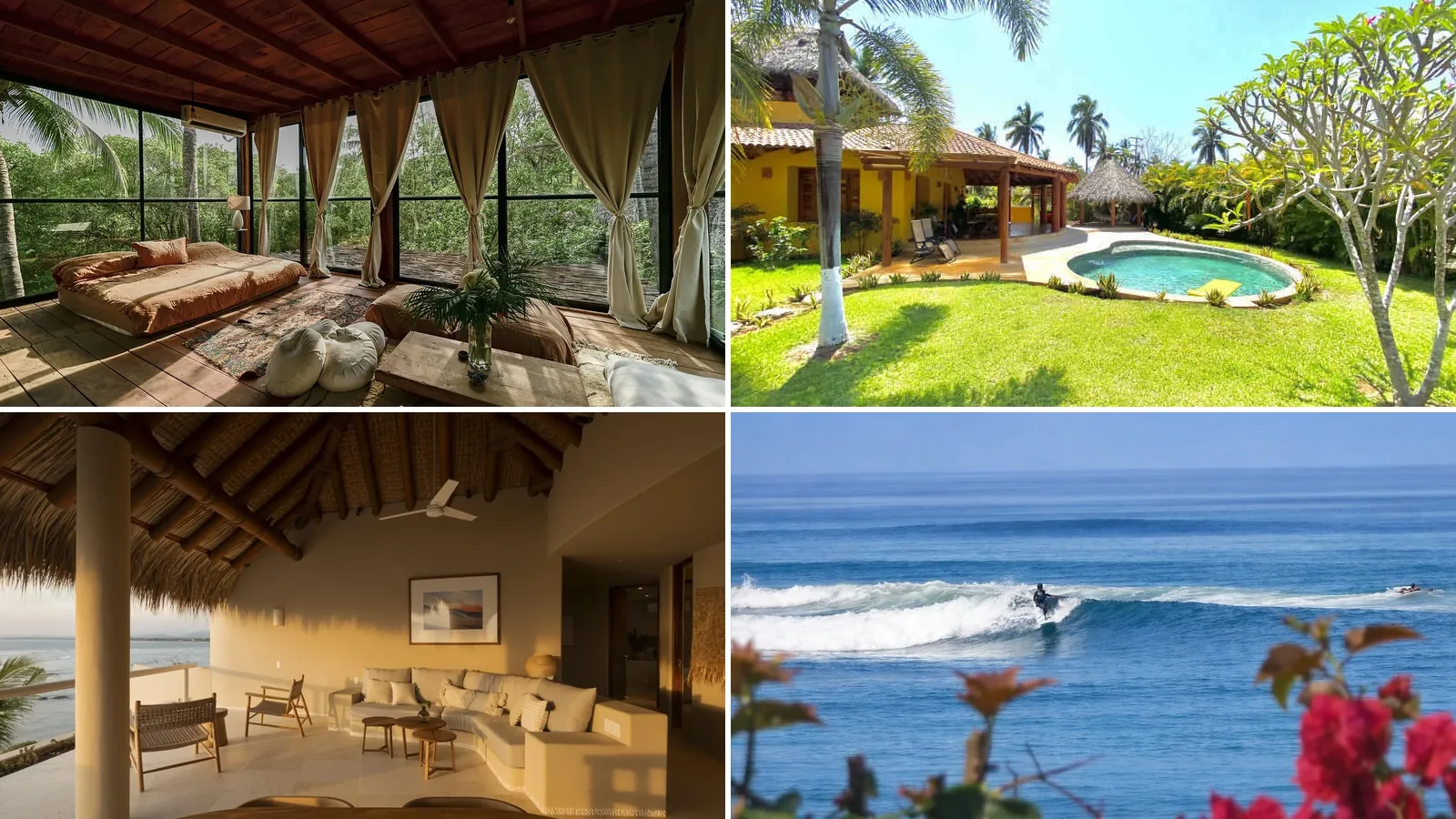
Top 4 Surf Properties for Sale in Mexico: La Saladita Villas, a Beachfront Penthouse and a Wellness Retreat
October 7, 2026
 NicaraguaPanama
Riding the Wave: Luxury Surf Homes in the Global Spotlight
October 6, 2026
 Buying & Ownership
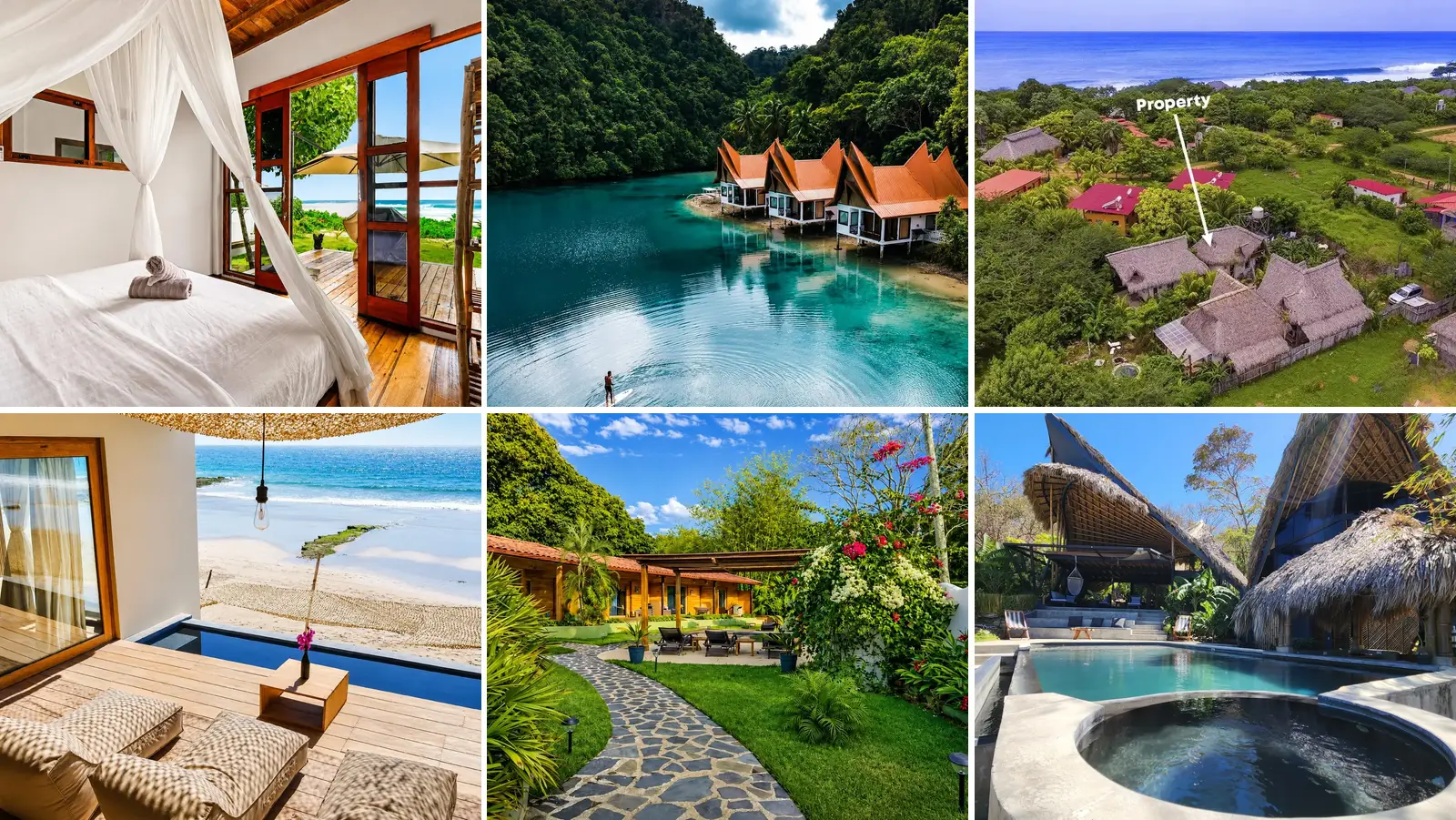
Top 6 Surf Resorts for Sale Right Now: Mentawai, Siargao, Nicaragua, Peru and Panama
October 5, 2026